Intellectual Property
Not Forgetting Trademarks: Protecting your NFT Brand
By Laura J. Winston
To Read Part One of our NFT series, click here »»
This latest installment in Offit Kurman’s NFT series looks at protecting NFT’s under trademark law. As of July 21, 2021, a search of the US Patent and Trademark Office (USPTO) database shows that 407 trademark applications have been filed that list “non-fungible tokens” as goods and/or services. Of these, 374 were filed on or after March 11, 2021, the date that news broke that the digital artist Beeple sold an NFT at auction for $63.9 million.
Looking at these trademark filings, we see that some familiar names are planning to get in on the NFT action. Fender has filed four applications to register trademarks for NFT’s, including its well-known guitar brand STRATOCASTER. The Andy Warhol Foundation for the Visual Arts, Inc. seeks registration of the name of the famous pop artist for NFT’s. And Lion’s Gate Entertainment, Inc. filed an application to register the trademark JOHN WICK, apparently planning to create NFT’s associated with the successful movie franchise.
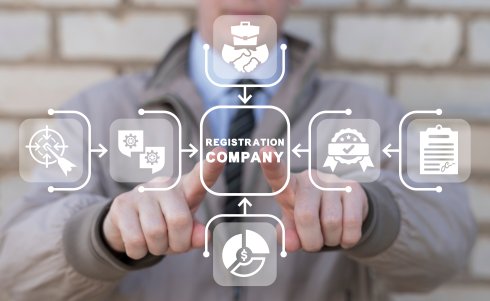
If you’re entering the NFT space, it’s good to keep in mind that your NFT’s are products, and trademark protection is important just as with any other product you might launch. Below are a few best practices for your NFT trademark strategy:
- Conduct a clearance search. Especially with this rapidly exploding area, it is important to make sure that there is not already someone else creating or marketing NFT’s under the same or similar trademarks.
- Consider searching more broadly than just NFT’s. Remember that NFT’s can touch various areas and industries when conducting your search. The examples above involve a music company, an artist’s estate and a motion picture series. Because NFT’s can be used to represent, commemorate or give value to all kinds of goods and services, it will be good to think broadly when conducting a clearance search.
- Once the clearance diligence has been done, file an intent-to-use application quickly. This will reduce the risk that a third party could apply to register the same or similar mark or commercialize an NFT business under the same name before you secure your rights. Many others are employing this strategy – of the 374 filings since March 11th, 320 are based on an intent to use.
- Use a watch service to detect similar trademarks or domain names using your trademark. Such uses could be innocent, or could intentionally try to capitalize on your success if your NFT line takes off. A watch service will alert you to such uses and enable you to evaluate and take action quickly.
Your Offit Kurman attorneys can help position you to be at the forefront of this new technological wave. If you have any questions, please contact Laura Winston at lwinston@offitkurman.com or 347-589-8536.