Estates and Trusts
The Legal Playbook for Athletes Crossing Borders
By Candace Dellacona
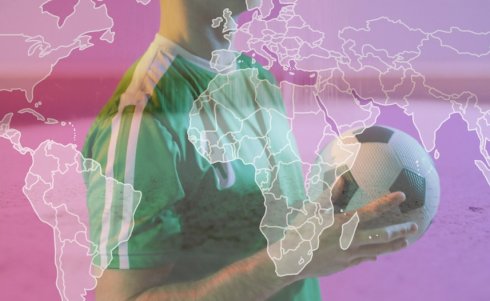
The 2025-2026 NBA season started with a bang last Tuesday night. It is reported that 135 international players from 43 countries are on the court this season. When an athlete leaves their home country to pursue a professional or collegiate career in the United States, the transition involves far more than training schedules, new teammates, and different coaching styles. It is also a major legal and financial shift. Immigration status, contract terms, taxes, and estate planning all come into play — often at once. Without the proper legal documents in place, even the most talented athlete can find their career and income at risk.
The first and most fundamental step is securing the right visa and immigration documentation. Most international athletes arrive under a P-1 visa, for those internationally recognized athletes competing professionally, or an O-1 visa for athletes who demonstrate extraordinary ability in their sport. Collegiate athletes often enter the U.S. on an F-1 student visa. It’s critical that the visa category matches the athlete’s intended activities, whether training, competition, or endorsement work and that both the athlete and the sponsoring organization (professional team or university) comply with the visa’s terms. Working outside the scope of a visa, such as signing sponsorships or promotional deals without proper authorization, can lead to serious tax consequences and even more dire immigration consequences, which could jeopardize the athlete’s future entry into the country. According to Michael Freestone, Immigration Attorney and Principal at Offit Kurman, “For student athletes, the evolving rules around NIL compensation add another layer of complexity. International students on F-1 visas are generally prohibited from earning income outside authorized employment, meaning many cannot legally profit from NIL activities while in the U.S. Although F-1 students can earn “passive” income, the legal grey area with NIL activities makes such income problematic and could jeopardize the student’s status. Some athletes are exploring creative solutions, such as establishing businesses in their home countries or deferring income until after graduation, but these strategies should always be reviewed by an attorney experienced in both immigration, tax and contract law to avoid inadvertent violations.”
Tax compliance often catches international athletes off guard. The U.S. tax system is complex, even for citizens, and foreign athletes are often surprised to learn they may owe taxes in both the U.S. and their home country. To avoid double taxation and other pitfalls, every athlete earning income in the U.S. should consult a tax professional familiar with cross-border income and endorsement deals. Proper withholding and filing documentation are essential to prevent crushing surprises at the end of the season.
Beyond taxes, every international athlete must consider basic estate and incapacity planning. A durable power of attorney allows a trusted person to manage financial or legal affairs if the athlete is abroad or incapacitated. A health care proxy ensures that someone can make medical decisions in an emergency. These documents are often overlooked until a crisis strikes, but they help prevent confusion and protect the athlete’s interests during critical and unexpected moments.
Estate planning itself is another critical piece of the puzzle. Even young athletes, particularly those signing lucrative contracts or endorsement deals based on their Name Image and Likeness (NIL) rights, can accumulate substantial assets quickly. A trust can make sure those assets are managed and distributed according to their wishes. For athletes with family members abroad, these documents also help avoid international probate complications and unnecessary tax burdens.
Insurance coverage deserves equal attention. Health insurance is essential, but athletes should also explore disability insurance to protect against career-ending injuries and liability insurance to cover potential risks from public appearances or endorsement deals. Life insurance can also provide long-term planning options when the athlete’s professional sports career is long over.
For student athletes, the evolving rules around NIL compensation add another layer of complexity. International students on F-1 visas are generally prohibited from earning income outside authorized employment, meaning many cannot legally profit from NIL activities while in the U.S.
Crossing borders to compete in the U.S. can be a career-defining opportunity, but it also requires a careful understanding of the legal landscape. From visas to trusts, international athletes benefit from assembling a strong team off the field — an immigration lawyer, a tax advisor, an insurance professional, and an estate planning attorney who understands the unique intersection of sports, law, and global mobility. A little preparation now can safeguard a lifetime of achievement later.