Labor and Employment
It Ends with Us, But Continues in Court: Blake Lively and Justin Baldoni's Legal Battle
By Sarah Goodman
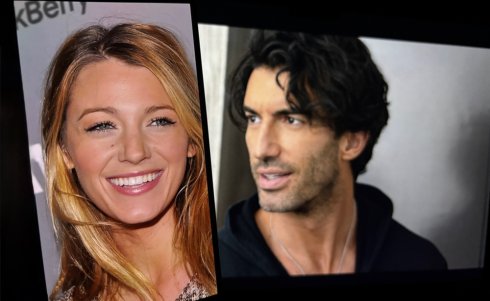
The film “It Ends With Us” was a massive hit in 2024, grossing $350 million globally. Yet, the drama surrounding the film has shifted from the big screen to the courtroom, with a series of legal battles between its stars, Blake Lively and Justin Baldoni, that have captivated both the public and legal observers alike.
In the ongoing legal battle between actors Blake Lively and Justin Baldoni, a federal judge has stepped in to try and quell the increasingly public war of words. At a hearing in Manhattan on February 3, 2025, Judge Lewis J. Liman ordered both legal teams to limit their out-of-court commentary, citing a New York rule (Rule 3.8) designed to prevent public statements that could prejudice legal proceedings. This intervention comes as the public has been parsing footage of a scene at issue in Lively’s lawsuit, recently released alongside a statement from Baldoni’s attorney. Baldoni’s team has also launched a website where users can access court documents related to the film's production.
The lawsuits present conflicting accounts of events on the set of "It Ends With Us," an adaptation of a novel about domestic abuse, in which Lively plays the heroine and Baldoni her abusive partner. Lively’s suit accuses Baldoni and Wayfarer Studios CEO Jamey Heath of sexual harassment, including entering her trailer uninvited while she was undressed or breastfeeding, improvising unwanted kisses, and discussing his “previous pornography addiction.” She claims that after raising objections, Wayfarer launched a “retaliation campaign” against her. Baldoni’s suit denies these accusations, claiming all trailer entries were consensual, kissing scenes were not improvised, and the discussion of his past addiction was contextualized. He accuses Lively, her husband Ryan Reynolds, and her publicist of defamation and extortion, claiming she sought to “extract concessions and creative control” of the movie. He further alleges that he was the victim of her attempts to damage his reputation. The hearing was the first court appearance by the lawyers since Lively filed her initial complaint in California in December, followed by a New York Times report on her accusations. Baldoni has since sued the Times for libel, claiming the article omitted key information. The Times has stated they will vigorously defend their reporting. Judge Liman, acknowledging the extensive public record of the accusations, emphasized that the court proceedings, not public pronouncements, will ultimately determine the facts of the case. Neither Lively nor Baldoni was present at the hearing.
Initial Allegations
On December 20, 2024, Blake Lively filed a formal complaint with the California Civil Rights Department, accusing director and co-star Justin Baldoni, producer Jamey Heath, and Wayfarer Studios of sexual harassment and creating a toxic work environment.
It seems that behind the movie magic was a not-so-glamorous reality. Lively’s complaint lays out a series of troubling incidents, including Baldoni allegedly ignoring intimacy protocols, improvising unapproved physical contact (like, biting Lively’s lower lip during a scene), and inserting controversial sexual content into the film without consent. Meanwhile, producer Heath is accused of showing Lively an unsolicited nude video of his wife giving birth.
From a legal standpoint, these allegations—if proven true—could present serious violations under California’s Fair Employment and Housing Act (FEHA). FEHA protects workers from discrimination, harassment, and retaliation, and sexual harassment is a particularly serious violation that could expose the production company and individuals involved to significant liability. In Lively’s case, the allegations regarding unsolicited physical contact and the lack of consent for intimate scenes could amount to unlawful sexual harassment in the workplace. These types of cases are taken very seriously in California, where the state’s strict sexual harassment laws are designed to prevent such behavior and ensure that victims have legal recourse.
The real complexity in these claims lies in proving the behavior was pervasive and unwelcome. Given that these events allegedly took place during production and involved multiple key players—director Baldoni and producer Heath—it will be important for Lively to provide evidence of the repeated and pervasive nature of the harassment to make her case.
The New York Times published an article about the allegations the very next day, also hinting at deeper tensions, including a campaign allegedly aimed at destroying Lively’s reputation.
Baldoni Fires Back with Defamation by Implication Claim
Ten days later, Baldoni fired back and sued the New York Times for defamation on December 31, 2024[i]. Baldoni claims the publication’s story about the sexual harassment allegations against him was part of a broader “smear campaign” orchestrated to undermine him. This counters Lively’s claims; Baldoni accuses Lively of damaging his reputation through false reporting.
Baldoni’s lawsuit presents an interesting legal angle, focusing on defamation by implication. According to his complaint, the New York Times article contained damaging content that painted him in a false light. While the article never directly accused him of sexual harassment, Baldoni contends that the context and tone of the reporting led readers to infer his guilt. Defamation by implication occurs when the publication or communication indirectly suggests false information that harms a person’s reputation. Baldoni argues that the story—by highlighting Lively’s allegations without providing his side—implicitly presented him as the perpetrator.
Moreover, Baldoni also seeks to address the “damage to his career” caused by these articles, which is a standard claim in defamation suits (i.e., the plaintiff is claiming that the defamatory statements harmed their reputation and resulted in professional or financial loss). He’s not just asking for retraction or correction; he’s pursuing actual damages (compensation for the real losses suffered as a result of the defamation) and possibly punitive damages (additional financial penalties aimed at punishing the defendant if the reporting was done with reckless disregard for the truth or malicious intent).
Baldoni has also claimed that Lively was actively working against him throughout production, asserting that she "berated" him on set and attempted to undermine his creative control. The lawsuit further alleges that Lively edited the film’s final cut without his approval and attempted to block him from attending the premiere. Baldoni claims that Lively’s actions amounted to a "pattern of vindictiveness" designed to ruin his professional standing.
This part of Baldoni’s claim—focused on the editing of the film and his exclusion from the premiere—could potentially lead to a breach of contract or tortious interference claim. A breach of contract claim would suggest that terms agreed upon in a legal agreement were violated, while tortious interference occurs when someone intentionally disrupts the relationship or contractual agreement between parties, potentially leading to significant financial damages and reputational harm. Film directors often have the final say on creative decisions, so Lively’s interference could be viewed as overstepping and damaging to Baldoni’s reputation in the film industry.
Additionally, Baldoni claims that Lively, along with her husband Ryan Reynolds, leveraged their Hollywood clout to push for his removal from the film's production, including allegedly pressuring William Morris Entertainment to drop him as a client. If true, this could form the basis for a tortious interference claim. In such a claim, one party would argue that another intentionally interfered with their contractual relationships or business dealings. This can be tricky to prove, as it requires showing that the interference was unjustified and intentional.
Lively Escalates Her Complaint into a Federal Lawsuit
On the same day as Baldoni filed his lawsuit against the New York Times in Los Angeles, Lively formalized her California Civil Rights Department complaint into a federal lawsuit[ii] in New York.
According to Lively’s lawsuit, Baldoni, Heath, and a crisis PR expert named Melissa Nathan tried to bury Lively’s reputation by manipulating social media, planting negative stories, and leveraging crisis communications to protect Baldoni’s public image. Lively claims that this campaign included texts from Nathan and Baldoni discussing how to “bury” people and target women in the public eye. The lawsuit alleges that even the big money folks at Wayfarer Studios, including co-founder Steve Sarowitz, were involved in the plot.
From a legal perspective, if Lively’s claims about the smear campaign are proven, this could be a strong case for defamation and tortious interference. Defamation requires showing that false statements were made about a person, which harmed their reputation. In this case, the alleged "burying" of Lively through negative media manipulation would likely involve defamatory statements, whether directly or indirectly implied. Tortious interference claims, on the other hand, focus on one party intentionally damaging another’s business or reputation by improper means. If Lively can demonstrate that Baldoni and his team used these tactics intentionally to damage her career, there could be significant legal repercussions for all involved.
However, the challenge for Lively will be proving that these negative media tactics were both intentional and defamatory, rather than part of a broader public relations strategy designed to mitigate the fallout from the initial complaints. PR teams are often hired to clean up a reputation, but if they cross the line into deceptive practices or actively seek to harm someone's reputation, they may have legal exposure.
The decision to file the lawsuit in New York—despite the initial complaint being lodged in California—appears to be a strategic move regarding forum selection. California might offer more protections under its state laws, but New York law allows for quicker and more direct access to the courts, enabling Lively and her legal team to bypass some procedural hurdles and go straight to litigation. Additionally, the New York venue may offer a broader legal framework by incorporating both federal and state claims, and it could potentially provide a more favorable jurisdiction for Lively's case, particularly considering that much of the case's events occurred in New York. Lively’s complaint included demands for a jury trial.
Baldoni Also Sues Lively in the Southern District of New York
Adding another layer to the legal battle, Baldoni and Wayfarer Studios filed a lawsuit[iii] against Lively, Reynolds, and publicist Leslie Sloane on January 16, 2025, seeking a staggering $400 million in damages. This suit, filed in the federal District Court for the Southern District of New York, expands upon the existing claims, alleging civil extortion, defamation, and a series of contract-related violations.
This lawsuit reinforces the argument that the conflict originated from a creative struggle. It alleges that Lively gradually increased her influence, demanding creative control beyond the typical scope of an actor's role. This included taking over wardrobe decisions, rewriting scenes, creating her own film cut, and ultimately demanding Baldoni's exclusion from promotional activities. The lawsuit vehemently denies any sexual harassment or inappropriate behavior by Baldoni, Heath, or any member of the production team. Instead, it accuses Lively and Reynolds of engaging in "extortionate threats" to damage Baldoni's reputation.
Baldoni amended his complaint on January 31, 2025, just days before the scheduled initial pretrial conference. In the amended filing, which now includes the New York Times as a defendant, Baldoni alleges that metadata on the New York Times' website reveals the paper had access to Lively's civil rights complaint at least 11 days prior to their bombshell December 21st report. That report, titled "'We Can Bury Anyone': Inside a Hollywood Smear Machine," accused Baldoni and his publicists of orchestrating a campaign to damage Lively's reputation, seemingly in retaliation for her complaints of sexual harassment on set. This new information regarding the Times' prior knowledge of the complaint raises questions about the timing and context of their reporting. Furthermore, the amended lawsuit includes new claims regarding Ryan Reynolds' portrayal of the character Nicepool in "Deadpool & Wolverine," with Baldoni accusing Reynolds of using the character to mock and bully him. The amended filing includes claims for civil extortion, defamation, false light invasion of privacy, breach of implied covenant of good faith and fair dealing, intentional interference with contractual relations, intentional interference with prospective economic advantage, negligent interference with prospective economic advantage, promissory fraud, and breach of implied-in-fact contract.
Leaked Footage, Gag Order Request, and Website Launch
On January 21, 2025, Justin Baldoni's legal team dropped a bombshell: a 10-minute video from the "It Ends With Us" set. This move, intended to counter Blake Lively's sexual harassment allegations, captures intimate moments, including a rehearsal of a romantic dance with Lively. While Baldoni claims the footage exonerates him, Lively's team argues it actually supports her claims, pointing to specific scenes as evidence of inappropriate behavior.
In a dramatic escalation, Lively and Reynolds filed a motion for a gag order against Baldoni's lawyer, Bryan Freedman. They accuse Freedman of a relentless media campaign, including inflammatory statements and potential leaks, aimed at swaying public opinion and prejudicing the jury pool. This, they allege, is a continuation of the alleged retaliation orchestrated by Baldoni and his team since Lively first spoke out.
Additionally, a day after amending his New York complaint on January 31, 2025, Baldoni’s legal team launched a website, featuring the amended complaint and a detailed timeline of events. Given the proximity of the launch to the pre-trial conference, this may have been a preemptive move by Baldoni to circumvent any potential gag order. By publishing the information online, Baldoni may be attempting to solidify his narrative in the public eye and potentially undermine the basis for a gag order.
Case Consolidation and Trial Date Set
In a major update from New York, federal judge Lewis J. Liman has scheduled a trial date for March 9, 2026, marking the next chapter in this high-profile legal battle. The trial, which will address the complex claims of sexual harassment, defamation, and contract violations, is now set to proceed after Liman moved the initial conference from mid-February to next week. The court is also preparing for discussions on pretrial publicity and attorney conduct, with both sides expected to present concerns over the impact of public statements and potential jury bias.
This adjustment follows a filing by Lively’s legal team, which alleges that Baldoni’s attorney is attempting to influence potential jurors. Specifically, Lively’s lawyers claim that Baldoni’s legal team has been actively working to harm Lively’s career by launching a website that selectively releases documents and communications between the two stars. According to Lively’s legal representatives, the goal of this strategy is to sway public opinion and turn prospective jurors against her before the trial even begins.
As the New York case gains momentum, another legal front has emerged in Texas. Lively has filed a request in a Texas court to depose a man she claims played a central role in turning online sentiment against her during the film’s release and promotion. This new legal move adds further complexity to the already tangled web of lawsuits, as Lively seeks to identify and address those responsible for the negative publicity she alleges was orchestrated to damage her public image during the film's promotional campaign.
As the legal battle intensifies on both coasts, all eyes will be on the actions of the court and the legal strategies of both Lively and Baldoni as they prepare for what promises to be a protracted and high-profile trial.
The Legal Implications Moving Forward
Judge Liman's January 27th decision to consolidate the Lively and Baldoni cases in the Southern District of New York marks a new, and potentially decisive, phase in their legal battle. This procedural move streamlines the trial process, focusing the complex factual and legal issues into a single proceeding, while simultaneously raising the stakes considerably for both parties. Consolidation not only avoids duplicative litigation but also presents a unified narrative to the court, forcing both sides to confront the totality of the allegations and defenses. While it remains to be seen whether Judge Liman will also consolidate Baldoni's separate, and arguably related, suit against the New York Times, the fact that the Times is now a defendant in the consolidated case suggests this is highly probable. This joinder could significantly broaden the scope of discovery and potentially introduce thorny First Amendment issues regarding journalistic privilege and fair report.
The outcome of these lawsuits carries significant implications for the entertainment industry, potentially shaping the landscape of workplace conduct and media scrutiny. If Lively's claims of sexual harassment and retaliation are substantiated, particularly given the high-profile nature of the case, it could establish a crucial precedent for worker protections in Hollywood, especially for women navigating the pervasive power imbalances. This could embolden others to come forward and trigger a wave of policy changes regarding reporting and investigating harassment claims. Conversely, Baldoni's claims of defamation and tortious interference, if successful, could raise important questions about the often blurry line between personal and professional conduct on set, potentially chilling the willingness of individuals to report misconduct for fear of legal reprisal. This aspect of the litigation touches upon the delicate balance between free speech and reputational harm, an area of law ripe for development in the context of the #MeToo era.
As the litigation unfolds, the entertainment industry will be watching closely. It will be interesting to see how the courts navigate these complex issues of proof and credibility, particularly regarding allegations of harassment and retaliation, which often rely on circumstantial evidence. The case also presents a fascinating interplay between traditional defamation law and the evolving standards for media reporting on sensitive matters, particularly in the context of ongoing investigations and public accusations. Furthermore, the potential long-term effects on industry dynamics, including the power of public opinion and social media pressure, are significant. Regardless of the outcome, this litigation is likely to leave a lasting mark on Hollywood and beyond.