Family Law
Hanukkah and Parenting Time: Balancing Tradition and Family Dynamics
By Stephanie Lehman
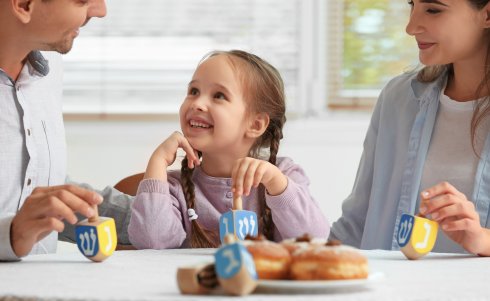
Hanukkah, also known as the Festival of Lights, celebrates the miracle of the oil that lasted for eight days in the Holy Temple in Jerusalem. During Hanukkah, many families gather to light the menorah, exchange gifts and enjoy latkes and sufganiyot. For divorced families, Hanukkah can present unique challenges when it comes to parenting time and holiday schedules. Balancing the celebration with the needs and expectations of all parties involved requires thoughtful planning, flexibility, and understanding. Some elements to consider include:
- Open Communication, Flexibility and Compromise: Open and clear communication between parents is essential for planning a holiday schedule that addresses where the children will stay, which traditions will be celebrated and ensures everyone feels included. Flexibility ensures both parents can share in the festivities, allowing children to connect with both sides of the family.
- Creating New Traditions: If one parent cannot be present for certain nights of Hanukkah, it’s a great opportunity to start new family traditions that blend the needs of both households. This could include pre-recorded video calls to participate in the menorah lighting or sending gifts in advance to ensure children feel that both parents are present, even if physically apart.
- Respecting Religious and Cultural Sensitivities: In families where different parents or stepparents come from various religious backgrounds, it’s important to be sensitive to any religious observances or practices. Finding ways to include both religious and secular elements in the celebrations may provide a path toward mutual respect and understanding.
- Children’s Needs: The needs and emotions of the children are central to any co-parenting plan. For younger children, maintaining familiar rituals is important for security and consistency. If children are older, their involvement and input in holiday arrangements may play a significant role in the decision-making process, particularly if they have developed strong connections to specific traditions or people.
- Holiday Gift Giving: The exchange of gifts is common during Hanukkah and ensuring that both parents can contribute to the gift-giving experience is important. Some families opt to give all gifts on one particular night, while others may stagger the presents over the course of the eight days. In a co-parenting situation, planning gift-giving ahead of time avoids overlap or competition while ensuring the children feel equally valued.
- Consider the Impact on Extended Family: Hanukkah often brings extended family together, including grandparents, aunts, uncles, and cousins. Making special arrangements to include one side of the family while ensuring the other is not left out may require flexibility, understanding, and some negotiation.
Amidst the logistical challenges of co-parenting during Hanukkah, it’s important to focus on creating a positive and meaningful experience for the children. While the children may not fully understand the complexities of the co-parenting arrangement, they will remember the joy of celebrating the holiday with their loved ones. Ultimately, Hanukkah offers an opportunity for families to come together and reflect on the values of light, joy, and resilience—values that can be celebrated by all, regardless of the circumstances.