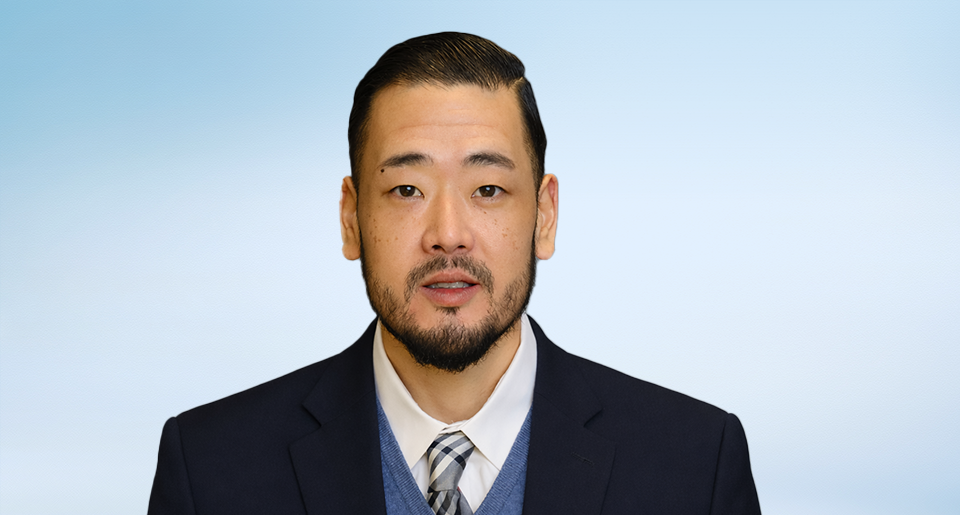
Paul Fanelli counsels architects, engineers, design-build entities, owners, and businesses through the legal and practical challenges that arise on complex construction projects. He helps clients anticipate risk, navigate disputes, and protect their interests from project inception through closeout.
Paul’s practice centers on construction and commercial litigation, where he represents clients in mediation, arbitration, and state and federal courts. He handles a wide range of disputes involving project delays, inefficiencies, payment issues, and contract performance. His experience includes prosecuting and defending mechanics’ liens, construction liens, and bond claims, as well as addressing employment and labor concerns connected to construction projects.
In addition to dispute resolution, Paul provides day-to-day project counseling to clients. He drafts and negotiates construction contracts, change orders, and closeout agreements, helping clients maintain momentum while minimizing exposure. His practical, solutions-oriented approach allows him to align legal strategy with business objectives and deliver efficient, cost-effective outcomes across construction, real estate, and broader commercial matters.
- Widener University Commonwealth Law School (J.D.)
- Shippensburg University of Pennsylvania (B.A.)
- Pennsylvania
- New Jersey
- United States District Court for the Eastern District of Pennsylvania
- United States District Court for the Middle District of Pennsylvania
- United States District Court for the Western District of Pennsylvania
- United States District Court for the District of New Jersey
- Associated Builders and Contractors, Eastern PA Chapter, Philadelphia Regional Council