Marquee Background
Marquee Background

Offit Kurman Blogs

Immigration Law

Top Mistakes That Jeopardize Your Green Card—and How to Avoid Them

May 20, 2025

By Michael Freestone

Top Mistakes That Jeopardize Your Green Card—and How to Avoid Them

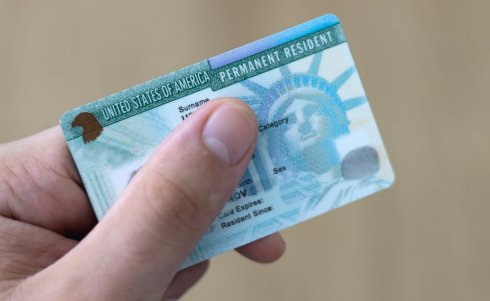
As we are currently in a time of extensive scrutiny of immigration actions, individuals must understand their status, rights and obligations. Legal Permanent Residents possess many protections that nonimmigrants do not have, but must carefully maintain their status. One of the key aspects of maintaining a green card is maintaining an existing “intent” to permanently reside in the United States. This is an issue that comes up with green card holders who move abroad or spend significant time outside of the United States. If the Department of Homeland Security (DHS) has reason to believe an individual does not have the intention to reside in the United States, then they can bring proceedings against the individual to remove their green card. The law and policy are summarized by the  U.S. Citizenship and Immigration Services (USCIS) as follows:

  • Permanent Resident Cards become technically invalid for reentry into the United States if the holder is absent from the United States for 1 year or more.
  • U.S. permanent residence status may be considered abandoned for absences shorter than 1 year if the green card holder takes up residence in another country.

The first point is technical; if one is out of the country for a year or more, their green card is no longer valid for entry. Customs and Border Protection (CBP) will raise this issue at the Ports of Entry to the United States. It can be waived at entry, but the CBP rarely allow that. Instead, they follow a “hawkish” approach to individuals with absences of a year or longer. It should be noted that legal permanent resident status is protected by law and must be removed by legal proceedings.

The second point is where individuals can potentially incur CBP scrutiny through a prolonged periods of absence from the United States. For example, if an individual comes into the U.S. twice a year for several years to maintain their green card, questions may arise about the individual’s intent to reside in the U.S., even though that they were technically compliant. Generally speaking, if a legal permanent resident thinks they will spend more than six months outside the United States, they should talk to an immigration attorney.

On May 1, 2025, CBP updated its guidance to legal permanent residents returning to the United States. This policy document states that legal permanent residents who have been out of the country for longer than six months will be subject to new immigration inspection procedures. No further details of these new and increased inspections have been released. See Traveling outside U.S. - Documents needed for Lawful Permanent Residents (LPR)/Green Card holders

Certain key actions can automatically raise a question of the green card holder’s intent if they leave the United States, specifically:

  • Clearly manifesting an intent of permanently residing in another country (i.e., applying for long-term status in that country.
  • Green card holders must file US taxes on their global income, and they must file taxes as residents for tax purposes; failure to file resident tax returns can be seen as an intentional abandonment of status.
  • Making statements to CBP or DHS that do not support the green card holders’ assertions that their trips abroad are temporary.

Accordingly, green card holders who move abroad temporarily must be diligent in maintaining ties to the United States and take proactive steps to protect their green card. They must realize they are jeopardizing their status by extended time abroad. Returning to the United States once a year will eventually draw the ire of the CBP, and the green card holder can expect to receive progressively more intrusive and sustained questioning upon entry to the United States. Steps that green card holders who live abroad could take to protect their status include the following:

  • Travel with evidence of why your trip outside of the US is temporary – temporary job offer, extended care for a family member, explanations for delays, etc.
  • Continue to file US Income taxes.
  • Maintain a residence in the US.
  • Be diligent in not spending 365 days outside of the United States.
  • Registering with the Selective Service is required.
  • Updating their home address with USCIS via Form AR-11.
  • Obtain a Re-Entry Permit:
    • Re-Entry Permits protects a green card holder’s status for two years upon approval. Although not a guarantee of entry, the Re-Entry Permit is excellent evidence to present to CBP that the individual’s absence abroad is temporary.
    • Re-Entry Permits can be renewed depending on the circumstances that the individual faces.
    • Re-Entry Permits must be applied for in person in the U.S.; Having the USCIS receipt notice as evidence of the application is good evidence to demonstrate to the USCIS.
  • Been out of the country for a year or longer?
    • The safest route is to apply for an SB-1 immigrant visa at your local U.S. Embassy to avoid issues entering the country.

Lastly, should an individual face potentially denial of entry to the United States for circumstances beyond their control, they can apply for a returning resident special immigrant visa to ensure they can enter the U.S.

Categories: Immigration Law

Related People

Related Services

  • Posts
  • About
  • Subscribe

Firm Highlights

  • Blog Posts
    Law, Love, and Life's Battles: Facing Breast Cancer
    What happens to a marriage and a family when a breast cancer diagnosis changes everything? In this episode of Love Ends, Law Begins, hosts Fara Rodriguez and Stephanie Lehman have a deeply personal conversation about breast cancer, marriage, family, and the challenges that can come with a serious illness. This episode is especially meaningful for Fara, who shares her own recent breast cancer diagnosis and journey. She opens up about discovering a lump, receiving her diagnosis, undergoing a double mastectomy and subsequent treatments, and navigating the emotional impact of cancer while continuing to work and care for her family. Fara and Stephanie discuss how a cancer diagnosis can affect a marriage in unexpected ways—from changing family roles and creating new caregiving responsibilities to putting pressure on finances, health insurance, and household responsibilities. They explore how illness can either bring couples closer together or create additional challenges, particularly when one spouse becomes the primary caregiver or when the family is dealing with fear and uncertainty. The conversation also addresses the unique challenges of parenting during an illness, including how to talk to children about a cancer diagnosis and how divorced parents may need to adjust parenting schedules and responsibilities when one parent becomes sick. From navigating medical expenses and insurance coverage to balancing work, parenting, caregiving, and intimacy, Fara and Stephanie offer a candid look at the ways illness can reshape relationships and family dynamics. In recognition of Breast Cancer Awareness Month, this episode provides an honest and personal conversation about facing cancer while navigating marriage, family, and the many practical challenges that come with a serious diagnosis. In this episode, you'll hear about: • Fara's personal breast cancer diagnosis and journey • How a cancer diagnosis can affect a marriage • The challenges of becoming a caregiver to your spouse • How illness can bring couples closer together—or create new challenges • Talking to children about a parent's cancer diagnosis • How divorced parents can navigate parenting responsibilities when one parent becomes ill • The financial impact of illness and the loss of household income • Health insurance and medical coverage considerations • How medical expenses can create additional financial strain • The importance of support from family, friends, and caregivers • Balancing work, parenting, treatment, and recovery • How illness can affect intimacy and marital dynamics • The importance of supporting children through a parent's illness • Why communication and cooperation matter during a health crisis • Breast Cancer Awareness Month and the importance of mammograms
  • Events
    AIA Tri-State Conference
    Princeton will serve as the backdrop for three days of connection, learning, and design leadership. From keynotes to tours to the Tri-State Design Awards, this year’s conference is designed to go far beyond education sessions. Kick off the week with pre-conference intensives and individual state component Design Award celebrations, followed by three days of education, inspiration, networking, and design excellence at the 2026 AIA Tri-State Conference—featuring pre-conference intensives, three keynote speakers, 25 education sessions, curated tours, an expo, spec academies, and the AIA Tri-State Design Awards—bringing together architects and design professionals from New Jersey, New York, and Pennsylvania to connect, learn, and celebrate the best of the profession. G2. Designing Secure Practices: Cybersecurity, Data Privacy, Contractual Provisions, and Insurance Risks for Architects (4:00 PM - 5:30 PM) Architects and design professionals increasingly rely on cloud platforms, BIM software, and digital tools to manage sensitive data, creating cybersecurity and privacy risks. A single incident can trigger liability claims, regulatory obligations, reputational harm, and insurance challenges. Yet many firms underestimate how contracts, insurance, and internal practices intersect during a breach. This program offers legal and insurance perspectives on cyber risk in architecture, examining liability exposure, risky contract provisions, and mitigation strategies. A cyber insurance expert will explain policy responses, coverage gaps, coordination with professional liability, and best practices for aligning insurance with contractual risk and protecting firms from evolving cyber threats. Learning Objectives: Identify key cybersecurity and data privacy risks faced by architecture firms and explain how these risks can impact professional liability and project outcomes. Analyze common contractual provisions to determine which clauses may increase exposure to cyber incidents and propose strategies to mitigate these risks. Evaluate the scope and limitations of cyber insurance policies, including coordination with professional liability coverage, to determine how a policy would respond in a breach scenario. Develop actionable risk management strategies by integrating legal, contractual, and insurance considerations to protect sensitive client and project data.