Labor and Employment
Employer Use of AI Wage-Setting Tools: Risks, Bias Concerns, and Employer Responsibilities
By Jamie Eisner
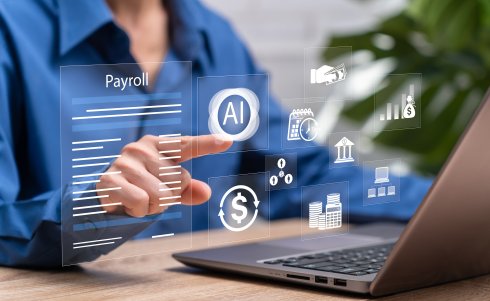
As employers increasingly adopt artificial intelligence to streamline compensation decisions, the promise of efficiency must be carefully balanced against significant legal and ethical risks. AI‑driven wage‑setting tools can help analyze market data, standardize pay ranges, and reduce human error, but only when the underlying data and algorithms are reliable. When these systems rely on incomplete, outdated, or biased inputs, they may unintentionally replicate or even worsen existing disparities. For example, algorithms trained on historical pay data can reinforce gender‑ or race‑based wage gaps, regardless of an employer’s intent.
Lawmakers are also signaling that wage‑setting algorithms will not operate in a regulatory vacuum. Over the last year, legislators in California, Colorado, Georgia, and Illinois have introduced bills to curb discriminatory or opaque uses of AI in compensation decisions. Several states, including Georgia, Illinois, Maryland, and New York, are renewing or expanding these efforts in 2026. Many of these proposals reflect a growing concern that businesses may rely on personal data unrelated to job duties – such as biometric characteristics, behavioral patterns, or even parental status – to generate so‑called “optimized” pay rates.
Employers should remember that AI does not shield them from longstanding legal obligations. Anti‑discrimination statutes, equal pay laws, and wage‑and‑hour requirements apply regardless of whether a human or an algorithm drives the recommendation. With state activity accelerating, employers should take a proactive approach to assessing their exposure and strengthening internal controls over wage decisions. Regular pay‑equity audits, careful review of the data inputs and assumptions behind AI tools, and meaningful human involvement in all compensation decisions are essential steps to ensure employers can meet emerging legal standards and maintain fair, compliant pay practices. By reinforcing these safeguards now, organizations will be better positioned to adapt as regulatory requirements continue to evolve.