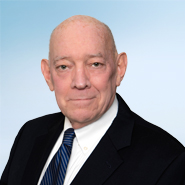
Edward Baxter

Attorney

Intellectual Property

Voice Actors Clear Early Legal Hurdle in AI Cloning Suit

August 6, 2025

By W. Drew Kastner and Edward Baxter

Voice Actors Clear Early Legal Hurdle in AI Cloning Suit

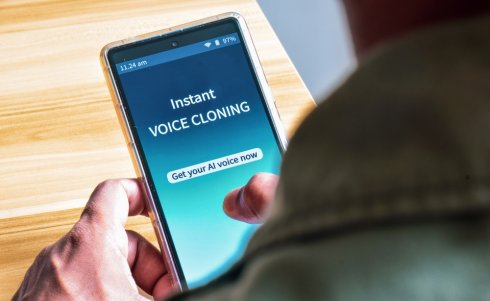
Voice actors received a rare, if incomplete, victory against alleged AI infringers in a recent opinion from an SDNY judge in Lehrman v. Lovo, Inc.

Voice actors Paul Lehrman and Linnea Sage filed an action against AI voiceover company Lovo, alleging the company used artificial intelligence to synthesize and sell unauthorized "clones" of their voices. Plaintiffs discovered their voices being used in YouTube videos and podcasts after they had been hired through the freelancing app, Fiverr, for what they believed were limited voice recording projects used for research purposes. The result is a case of first impression regarding AI voice cloning tech, asserting claims under New York civil rights and consumer protection laws, the Lanham Act, the Copyright Act, and various common law theories, including breach of contract, fraud, conversion, unjust enrichment, and unfair competition.

Judge J. Paul Oetken issued a mixed ruling on Lovo's motion to dismiss, concluding that "for the most part, Plaintiffs have not stated cognizable claims under federal trademark and copyright law." The court explained that what plaintiffs sought was essentially "copyright protection for their voices" as abstract concepts rather than specific expressions, and that copyright "must concern the expression of ideas, not the ideas themselves." However, the court did allow the plaintiffs’ breach of contract and right of publicity claims to proceed, finding that communications through Fiverr and the platform's terms of service supported their allegations that the voice recordings were used beyond the agreed scope. The court also moved claims under New York Civil Rights Law Sections 50 and 51 forward, stating that these state laws are "tailored to balance the unique interests at stake" in voice misappropriation cases.

While the ruling represents a partial victory for the voice actors, it highlights significant gaps in federal intellectual property protections for AI-generated content and voice cloning technology. The court's decision suggests that voice actors and similar plaintiffs may find more success pursuing state law remedies for unauthorized AI voice cloning rather than relying on federal copyright protections.

  • Biography
  • Blog Posts
  • Publications & News

Firm Highlights

  • Events
    AIA Tri-State Conference
    Princeton will serve as the backdrop for three days of connection, learning, and design leadership. From keynotes to tours to the Tri-State Design Awards, this year’s conference is designed to go far beyond education sessions. Kick off the week with pre-conference intensives and individual state component Design Award celebrations, followed by three days of education, inspiration, networking, and design excellence at the 2026 AIA Tri-State Conference—featuring pre-conference intensives, three keynote speakers, 25 education sessions, curated tours, an expo, spec academies, and the AIA Tri-State Design Awards—bringing together architects and design professionals from New Jersey, New York, and Pennsylvania to connect, learn, and celebrate the best of the profession. G2. Designing Secure Practices: Cybersecurity, Data Privacy, Contractual Provisions, and Insurance Risks for Architects (4:00 PM - 5:30 PM) Architects and design professionals increasingly rely on cloud platforms, BIM software, and digital tools to manage sensitive data, creating cybersecurity and privacy risks. A single incident can trigger liability claims, regulatory obligations, reputational harm, and insurance challenges. Yet many firms underestimate how contracts, insurance, and internal practices intersect during a breach. This program offers legal and insurance perspectives on cyber risk in architecture, examining liability exposure, risky contract provisions, and mitigation strategies. A cyber insurance expert will explain policy responses, coverage gaps, coordination with professional liability, and best practices for aligning insurance with contractual risk and protecting firms from evolving cyber threats. Learning Objectives: Identify key cybersecurity and data privacy risks faced by architecture firms and explain how these risks can impact professional liability and project outcomes. Analyze common contractual provisions to determine which clauses may increase exposure to cyber incidents and propose strategies to mitigate these risks. Evaluate the scope and limitations of cyber insurance policies, including coordination with professional liability coverage, to determine how a policy would respond in a breach scenario. Develop actionable risk management strategies by integrating legal, contractual, and insurance considerations to protect sensitive client and project data.
  • Blog Posts
    Prenups: The Marriage Contract You Need to Talk About Before Saying “I Do”
    What if talking about a prenup isn't about planning for divorce, but about having honest conversations before you get married? In this episode of Love Ends, Law Begins, hosts Fara Rodriguez and Stephanie Lehman take a closer look at one of the most misunderstood legal documents in marriage: the prenuptial agreement. They discuss why prenups are becoming more common, what couples should consider when creating one, and some of the unusual clauses people have tried to include. From infidelity and social media clauses to financial arrangements and “walk away” agreements, the conversation explores how prenups can be tailored to a couple's individual circumstances. Fara and Stephanie also discuss the importance of thinking beyond the present and considering how marriage, children, careers, finances, and even moving to another state could affect a prenup in the future. They explain why couples need to understand what they're agreeing to, especially when one spouse may eventually become a stay at home parent or sacrifice their own earning potential. Whether you're engaged, considering a prenup, or simply curious about how these agreements work, this conversation offers a practical look at the financial and legal conversations couples should have before walking down the aisle. In this episode, you'll hear about: • Why couples choose to create prenuptial agreements • What a “walk away” agreement means • How marriage can change the way couples approach finances • What happens when one spouse becomes a stay at home parent • Lifestyle, infidelity, and social media clauses • Why child custody and child support can't be predetermined in a prenup • The importance of financial transparency before marriage • How future careers, children, and relocation can impact a prenup • Why state laws matter when couples move after signing an agreement • How a prenup can serve as a roadmap for dividing assets if a marriage ends