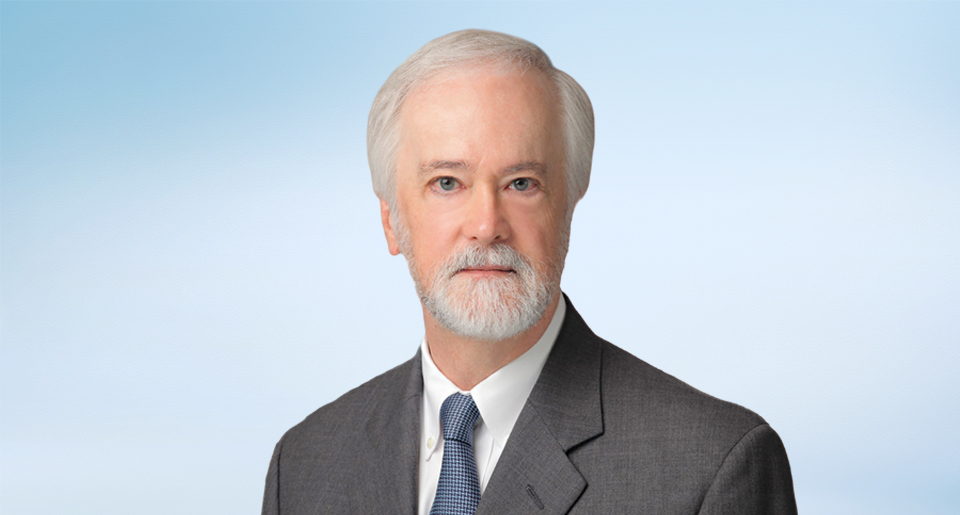
Peter Spanos advises businesses of all sizes, from local nonprofits to international corporations, on a full range of workplace and employment issues. With decades of experience, Peter advises employers in various industries, including technology, manufacturing, healthcare, professional services, real estate, transportation, construction, and consulting, helping them to manage legal risks and maintain effective workplaces.
Peter represents clients in court, before federal and state agencies, and in arbitration and mediation proceedings. He handles disputes involving discrimination, wrongful termination, wage and hour matters, workplace policies, trade secrets, non-compete agreements, and whistleblower claims. Peter also has deep experience with traditional labor matters, including union negotiations, organizing campaigns, grievances, and strikes. His practice extends to matters at the intersection of labor law and antitrust regulations.
In addition to resolving disputes, Peter regularly counsels business leaders on proactive workplace strategies, helping them navigate employment agreements, compensation structures, severance arrangements, and compliance issues tied to occupational safety and health. He supports employers through business transitions, such as mergers and acquisitions, ensuring workforce compliance and minimizing disruption.
Peter also serves as outside general counsel to nonprofit organizations. In this role, he advises on governance matters, board responsibilities, regulatory compliance, membership policies, and ethics codes. His experience spans diverse nonprofit sectors, including professional associations and sports organizations. Peter helps these organizations understand and comply with regulations related to tax-exempt status, fundraising activities, national and state affiliate relations, industry regulation, and antitrust compliance.
Clients value Peter’s practical approach to complex workplace and organizational challenges. Whether advising on day-to-day employment matters, guiding sensitive labor negotiations, or supporting nonprofit leadership, Peter focuses on providing straightforward, actionable advice tailored to each client’s goals.
- University of Michigan Law School (J.D.)
- Harvard College (A.B., cum laude)
- District of Columbia
- Georgia
- District of Columbia Court of Appeals
- Supreme Court of the United States
- United States Court of Appeals for the Eleventh Circuit
- United States Court of Federal Claims
- United States District Court for the District of Columbia
- United States District Court for the Northern District of Georgia
- United States District Court for the Middle District of Georgia
- United States District Court for the Southern District of Georgia
- American Bar Association, Labor & Employment Law Section, 1978-1997
- Antitrust Law Section, 1981-1997
- Forum Committee on the Construction Industry, 1981-1997
- Atlanta Bar Association, Labor & Employment Law Section
- Buckhead Lions Club, Member, 1981-1998
- District of Columbia Bar Association, Labor & Employment Law Section
- Georgia Bar Association, Labor & Employment Law Section
- Harvard Club of Georgia
- Labor and Employment Law Council, Associated General Contractors, Chairman, 1997-1998
- Lawyers Club of Atlanta, 1981-2000
- Reflections Ministries, Board of Directors, 2005-2021
- The Telluride Association, Member, 1966-Present
- Named The Best Lawyers in America® for Employment Law - Management, Labor Law - Management, and Litigation - Labor and Employment (2020-2027)
- Top 25 Personal Services Attorneys, Attorney Intel, 2025
- Albert Nelson Marquis Lifetime Achievement Award, 2025
- Chambers USA: Leading Business Lawyers – Labor and Employment, 2009-2019
- Martindale-Hubbell AV® Rated