Labor and Employment
Increasing Minimum Wages: Emerging Trends Across the U.S.
By Peter Spanos
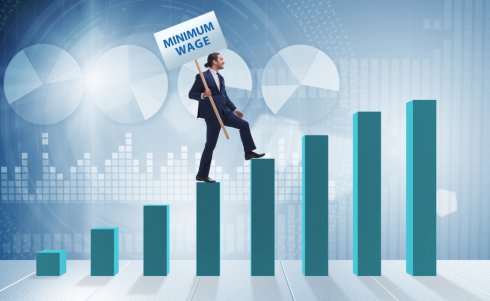
The conversation around minimum wage in the United States has gained renewed momentum in recent years. While the federal minimum wage has remained unchanged since 2009, states and municipalities have taken the lead in implementing wage increases to reflect the rising cost of living and economic shifts.
State-Level Action in the Absence of Federal Change
With the federal minimum wage stuck at $7.25 per hour for over a decade, many states have enacted their own legislation to raise wage floors. These efforts include:
- State-level minimum wage increases
- Automatic adjustments tied to inflation
- Municipalities setting wages above state levels
This decentralized approach has led to a patchwork of wage standards across the country, with significant variation depending on location.
Widespread Increases Since 2014
The movement to raise minimum wages has gained substantial traction:
- 28 states and the District of Columbia have increased their minimum wage since 2014
- 30 states and the District of Columbia now have minimum wages above the federal rate
- 63 municipalities or counties have set minimum wages higher than their respective state minimums
- Wage rates exceeding $15.00 per hour are increasingly common
These changes reflect a broader recognition of the need for wages that better support working individuals and families.
Leading the Nation: Highest Minimum Wage Rates
As of mid-2025, several states and cities stand out for their high minimum wage rates:
- District of Columbia: $18.00/hour (effective July 1, 2025)
- California: $16.50
- Connecticut: $16.35
- New Jersey: $15.49
- New York (NYC, Long Island, Westchester): $16.50
- Washington: $16.66
Municipalities in Washington State boast the highest local rates:
- Burien, WA: $21.10
- Tukwila, WA: $21.10 (for large employers)
- Seattle, WA: $20.76
These figures highlight the growing trend of local governments stepping in to ensure livable wages.
Who Still Earns the Federal Minimum?
Despite the federal rate remaining at $7.25, only a small fraction of workers earn this amount:
- Less than 2% of American workers are paid the federal minimum wage
- The Bureau of Labor Statistics projects wage growth of 3% to 5% across most states in 2025
- By October 2025, over half of all states will have minimum wages above $14.00/hour
This data suggests that market forces and state legislation are driving wage increases independently of federal action.
Federal Legislation on the Horizon?
The Raise the Wage Act of 2025, introduced in both chambers of Congress on April 8, 2025, proposes sweeping changes:
- Gradual increase of the federal minimum wage to $17.00/hour by 2030
- Elimination of the subminimum wage for tipped workers and workers with disabilities
- Tipped employee minimum wage to rise to $15.00/hour by 2030
- Strong backing: 175 Congressional sponsors and support from 85 labor organizations
If passed, this legislation would mark a significant shift in federal wage policy and could set a new national standard.