Family Law
Navigating the Unique Challenges of LGBTQ Divorces in a Changing Legal Landscape
By Bettina Hindin
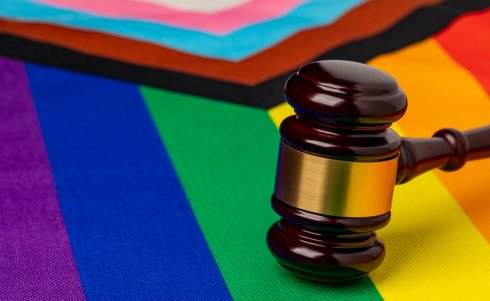
The legalization of same-sex marriage in the United States in 2015 with the landmark Obergefell v. Hodges decision marked a monumental step toward equality. However, the journey does not end with marriage; LGBTQ couples face unique challenges when it comes to divorce.
While the process may seem similar to that of heterosexual couples on the surface, the reality reveals nuanced differences rooted in evolving laws, social norms, and disparities in legal protections. Understanding these distinctions is crucial for navigating the complexities of LGBTQ divorces and protecting one’s rights in a constantly shifting legal world.
Key Differences Between LGBTQ and Heterosexual Divorces
- Legal Recognition and the Length of Marriage: Problem
For many LGBTQ couples, legal recognition of their relationships began far later than their commitment to one another. States only began recognizing same-sex marriages at different times, leaving couples who were together for decades without a legal timeline for their unions. When it comes to divorce, courts often calculate marital property division, spousal support, and other factors based on the duration of the legally recognized marriage, not the entirety of the relationship. This discrepancy can lead to inequitable outcomes.
For example, an LGBTQ couple that was together for 20 years but legally married for only five years may see their financial obligations and property rights evaluated based on the shorter timeline.
- Custody and Parental Rights
Child custody is one of the most contentious areas in divorce, and LGBTQ couples face unique hurdles. Many LGBTQ families rely on alternative reproductive methods, including Artificial Reproductive Technology (ART), surrogacy, adoption, or donor insemination. If only one partner is the biological or legal parent, the non-biological parent’s parental rights may not be automatically recognized, even if they were actively involved in raising the child. This can lead to complex custody battles where courts may prioritize biological connections over emotional bonds.
- Discrimination in Court
While legal protections for LGBTQ individuals have improved, implicit biases still exist within the court system. Some LGBTQ individuals may encounter judges or attorneys who lack experience with or understanding of same-sex family dynamics. This can result in decisions that do not fully account for the nuances of LGBTQ divorces.
- Division of Assets and Property
In LGBTQ divorces, asset division may be complicated by how property and financial arrangements were managed before same-sex marriage became legal. Property acquired before legal recognition of the relationship may be deemed separate property rather than marital property, creating challenges when dividing assets equitably.
How to Protect Yourself in an LGBTQ Divorce
Preparing and understanding your rights are essential to safeguarding your interests in this evolving legal world. Here are key steps LGBTQ individuals can take to protect themselves:
- Legal Protections Before Marriage
For those entering a marriage, creating a prenuptial agreement is one of the most effective ways to protect assets and clarify financial arrangements. A prenuptial agreement can specify how property will be divided and how spousal support will be managed in the event of a divorce. For those already married, a postnuptial agreement can serve a similar purpose.
- Address Parental Rights Proactively
LGBTQ couples with children should ensure both parents’ legal rights are established, even before a divorce becomes a possibility. For non-biological parents, this may involve formal adoption or obtaining a court order recognizing their parental status. By securing legal parentage, non-biological parents can strengthen their custody and visitation claims in the event of a divorce.
- Keep Comprehensive Records
In cases where the length of the relationship predates legal marriage, maintaining records of financial contributions, shared property and joint decision-making can be invaluable. These records can help demonstrate the extent of the partnership and support equitable asset division during a divorce.
- Consult an Experienced LGBTQ Divorce Attorney
Given the unique legal and social dynamics of LGBTQ divorces, working with an attorney who has specific experience in LGBTQ family law is crucial. Such attorneys understand the complexities of same-sex relationships and can advocate effectively for your rights.
- Stay Informed About Changing Laws
The legal landscape for LGBTQ individuals continues to evolve. Court rulings, legislation, and shifting political climates can impact rights related to marriage, divorce, custody, and more. Staying informed about changes in the law can help you anticipate challenges and adjust your approach as needed.
The Ever-Changing Legal Landscape for LGBTQ Divorces
While the right to marry was a monumental victory, LGBTQ couples still face challenges that heterosexual couples typically do not. For example, the potential for the Supreme Court to revisit Obergefell v. Hodges or other related rulings creates uncertainty about the durability of marriage rights. Additionally, state laws governing issues such as parental rights, property division, and spousal support vary widely, leading to disparities in how LGBTQ divorces are handled across the country.
Recent challenges to protections for LGBTQ individuals, including attempts to narrow the interpretation of anti-discrimination laws and redefine parental rights, underscore the need for vigilance. Advocating for continued progress and awareness ensures equality in the family law system.
Conclusion
LGBTQ divorces, while sharing similarities with heterosexual divorces, present unique challenges rooted in legal history and societal biases. By understanding these differences and taking proactive steps to protect their rights, LGBTQ individuals can navigate the complexities of divorce with confidence. In an ever-changing legal world, preparation, advocacy, and informed decision-making are the keys to achieving equitable outcomes and safeguarding hard-won rights.