Construction
How (and Why) Does a Mechanics’ Lien Cause Pressure to Pay for Work
By Jeffrey Bright
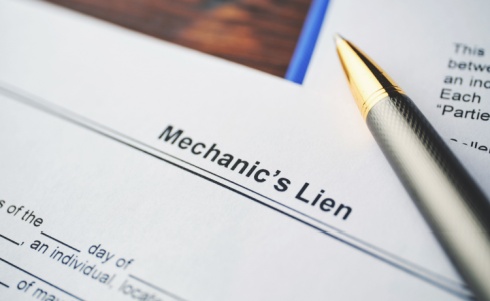
All contractors and subcontractors have some degree of understanding that if they have not been paid for work performed on a project, they have the right to file a mechanics’ lien against the project. The details of why the lien filing often results in payment, however, are often murky to most contractors and subcontractors. This article clarifies these items.
The first thing to understand about a mechanics’ lien is that it acts as a type of lien against the project property. There are numerous types of instruments that can act as liens. Tax liens can be attached to a property. So can monetary judgment liens. A mortgage acts essentially the same as a lien.
For all of these instruments, the gist is that a debt is owed—whether that be a loan, delinquent taxes, or payment for work performed—and the debt is collateralized to the property. In other words, if the debt is not paid, the real property will be sold to pay for the debt. Mortgages are the type of instrument that most people have some degree of experience. With a mortgage, there is a loan of money, and if the loan is not paid, then, the mortgage can be foreclosed on to pay the debt. The foreclosure on the mortgage is the execution sale of the real estate to pay the loan debt. The mortgage typically gives priority status so that the loan will be paid from proceeds from the foreclosure sale.
Mechanics’ liens function similar to a mortgage. If a laborer or supplier has not been paid for the work furnished to the project, then, the lien secures the unpaid debt to the property. In most jurisdictions, the process for progressing a lien claim to a final judgment and ultimate sale of the real estate is similar to the process for foreclosing on the mortgage and selling the real estate at foreclosure sale. From a big picture point of view, it’s the same idea: an unpaid debt is secured to the property, and the property will be sold to pay for the debt.
It is for these reasons that mechanics’ liens tend to receive prompt attention when filed against a project. The mechanics’ lien acts similar to an additional mortgage against the real estate. And, if pursued to its end, the mechanics’ lien can force an execution sale of the property. This, of course, is of significant concern to the property owner and any lenders with mortgages on the property.
Similarly, a mechanics’ lien is of concern if the owner intends to refinance or sell the real estate. Typically, any liens or mortgages attached to the property must be addressed or paid if a refinance or sale of the land occurs.
As a last and final related point, the state specific statutory laws that govern mechanics’ liens will typically provide a method for a bond to be posted with the court, to act as substitute collateral for the lien claim, and therefore discharging the property from the lien claim.
If pursuing a mechanics’ lien claim, or if managing a project that is under threat of lien claims, best practice is to consult with trusted, experienced counsel that is knowledgeable on the intricacies of construction law. Offit Kurman construction attorneys are available to advise and counsel owners, contractors, construction managers, design-builders, design professionals, subcontractors, and developers on construction contracts, risk, and project disputes.