Family Law
Should the Future of Frozen Embryos Be Addressed in a Prenuptial Agreement?
By Sandra A. Brooks
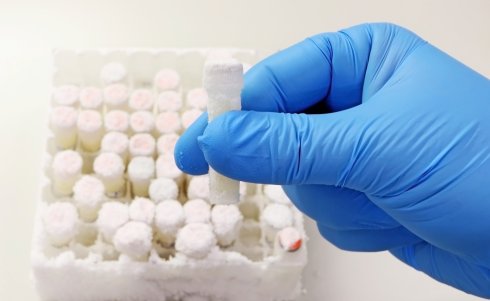
When couples are planning a wedding, conversations about finances, property, and future goals are common. For couples who are considering in vitro fertilization (IVF), have already created frozen embryos, or anticipate using assisted reproductive technology in the future, there is another important topic that deserves careful discussion: What happens to embryos if the marriage ends?
While no one enters a marriage expecting divorce, addressing these issues in a prenuptial agreement can provide clarity, reduce conflict, and protect both parties from emotionally and financially costly disputes.
Unlike bank accounts or real estate, frozen embryos occupy a unique legal and ethical space. They represent both reproductive potential and significant emotional investment. When a relationship ends, former spouses may disagree about whether embryos should be used to attempt a pregnancy, donated to another individual or couple, donated for scientific research, or destroyed.
These disagreements can become some of the most difficult issues courts face in divorce proceedings because they involve competing interests in reproductive autonomy.
A carefully drafted prenuptial agreement may include provisions that outline the parties' intentions regarding embryos created before or during the marriage.
For example, the agreement may specify:
- Who will have decision-making authority if the marriage ends
- Whether embryos may be used only with the consent of both parties
- Whether one spouse waives any future claim to use the embryos
- Whether the embryos will be donated or discarded if the parties cannot agree
- How expenses related to storage will be handled
Although the enforceability of these provisions depends on state law and the specific facts of the case, documenting the parties' intentions before a dispute arises can be valuable.
Divorce often involves heightened emotions. Without prior agreement, decisions about frozen embryos may become lengthy and expensive legal battles.
Discussing these issues before marriage offers several benefits:
- It encourages open communication about future family planning
- It helps both parties understand each other's expectations
- It reduces uncertainty if circumstances change
- It may minimize litigation and legal costs
Having these conversations while both parties are working together is often far easier than attempting to resolve them during a divorce.
Laws governing embryo disputes vary significantly from state to state. Some courts place substantial weight on prior agreements between the parties, while others balance competing constitutional and public policy interests. In addition, fertility clinic consent forms may also play an important role in determining what happens to stored embryos.
Because the legal landscape continues to evolve, couples should work with an experienced family law attorney and, when appropriate, coordinate with their fertility clinic to ensure their agreements are consistent and as effective as possible under applicable law.
A prenuptial agreement is more than a tool for protecting financial assets. For couples pursuing or anticipating assisted reproductive technology, it can also provide a thoughtful framework for addressing one of the most personal decisions they may ever face.
Planning for the future does not reflect a lack of commitment to the marriage. Instead, it reflects careful communication, informed decision-making, and respect for each person's reproductive rights. By addressing the disposition of embryos before conflict arises, couples can reduce uncertainty and focus on building their future together with greater confidence.