Landlord Representation
Baltimore City Rental Property Notice Rules: Avoid Costly Legal Disputes
By Charity Martin
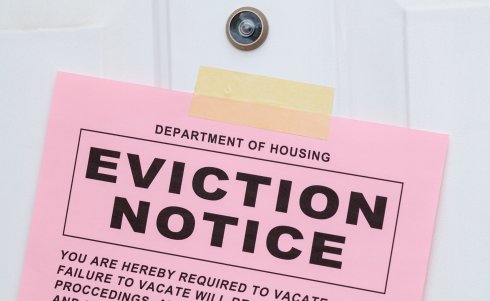
For landlords and tenants in Baltimore City, understanding notice requirements is essential to protecting legal rights and avoiding costly disputes. Both Maryland law and Baltimore City regulations establish specific timelines that must be followed before actions such as lease termination, rent increases, or eviction proceedings can move forward.
Knowing and complying with these requirements can help both parties resolve issues efficiently and stay in compliance with the law.
When Rent Goes Unpaid: Failure to Pay Rent Notices
When a tenant fails to pay rent, landlords must generally provide a written 10-day notice before filing a Failure to Pay Rent action in court. This notice serves as an opportunity for the tenant to address the outstanding balance before legal proceedings begin.
Staying Beyond the Lease: Tenant Holdover Requirements
A holdover tenancy occurs when a tenant remains in possession of a rental property after the lease term has expired. In these situations, landlords are generally required to provide at least 60 days' advance written notice before initiating legal action.
Providing proper notice helps ensure that both parties have adequate time to prepare for the end of the tenancy and avoid unnecessary disputes.
Ending a Month-to-Month Tenancy
For month-to-month rental agreements, either the landlord or the tenant must typically provide at least 60 days' written notice before the end of the rental period.
This notice requirement allows both parties sufficient time to make alternative arrangements, whether that involves finding new housing or securing a new tenant.
Addressing Lease Violations Before Taking Action
When a tenant violates a lease provision other than nonpayment of rent, landlords are generally required to provide a written 30-day notice detailing the alleged violation. Depending on the circumstances and the terms of the lease, tenants may also be given an opportunity to correct, or "cure," the issue before further action is taken.
Clear communication and timely notice can often prevent minor issues from escalating into formal legal disputes.
A Tenant's Responsibility: Providing Notice Before Moving Out
Tenants should also be aware of their own notice obligations when planning to vacate a rental property. Failure to provide the required notice may result in additional rent liability or other financial obligations under the lease.
Reviewing lease terms well in advance of a planned move can help tenants avoid unexpected costs.
Why Proper Notice Matters
Notice requirements can vary depending on the type of tenancy, lease provisions, and the specific facts of a situation. For that reason, both landlords and tenants should carefully review applicable laws and consult legal counsel when questions arise.
Proper notice is often the first and most important step toward resolving rental disputes legally, efficiently, and with minimal expense. Understanding these requirements can help protect everyone involved and reduce the risk of costly litigation.