Blog
Landlord Representation
HUD’s Assistance Animal Reset: Where is Federal Enforcement Heading?
If there is one fair housing topic that has generated a disproportionate amount of litigation, complaints, training questions, and frustration over the past decade, it is assistance animals. For years, housing providers operated under HUD guidance that recognized both trained service animals and untrained emotional support animals (ESAs) as qualifying for reasonable accommodation under the Fair Housing Act (FHA). However, that framework has now been disrupted. HUD's May 22, 2026, enforcement memorandum represents the most significant federal policy shift on assistance animals in a decade. But perhaps even more importantly, it signals where HUD appears to be headed next. Looking Back: HUD’s Trajectory Before May 2026 To understand the significance of HUD's recent actions, it is helpful to review the prior trajectory. In 2013, HUD issued guidance clarifying that untrained assistance animals (specifically, ESAs) should be treated as reasonable accommodations under the Fair Housing Act, even though ESAs were not recognized under the Americans with Disabilities Act (ADA). In 2020, HUD issued detailed guidance on how to evaluate assistance animal requests. This guidance became the primary resource used by housing providers, disability advocates, attorneys, and fair housing investigators. That guidance expressly recognized that assistance animals were not limited to trained service animals and could include emotional support animals that provided therapeutic benefit to a person with a disability. In direct response to HUD’s guidance, housing providers revised policies, created accommodation procedures, waived animal fees, and trained staff based on HUD’s framework. By 2024, the prevalence of quick and cheap online certifications for animals to be considered ESAs exploded. Fraud and misuse escalated, and it became increasingly difficult to verify the authenticity of a resident’s request for a reasonable accommodation to allow an ESA, which created ambiguity for both landlords and tenants. Then, in September 2025, HUD abruptly rescinded its prior 2013 and 2020 guidance documents. While the agency did not replace those materials with a new substantive framework, the rescission served as an early indicator that HUD was reconsidering its position on assistance animals and the applicability of ESA-related accommodations. HUD’s New 2026 Enforcement Standard In May 2026, HUD's Office of Fair Housing and Equal Opportunity (FHEO) announced that it would immediately change how it investigates and prosecutes animal-related accommodation complaints. According to the new memorandum, HUD will pursue FHA enforcement actions only when the animal has been “individually trained to perform work or perform tasks directly related to the complainant’s disability.” HUD explicitly adopted the ADA analysis that the assistance animal must be a trained service animal; however, HUD clarified that, unlike the ADA, the animal need not necessarily be a dog. In a shocking overhaul of prior guidance, HUD indicated that it is unreasonable to require a housing provider to waive pet policies for an untrained ESA. Source: AS-Trainor-Enforcement-Guidance-Assessing-Requests-for-the-use-of-an-animal-as-a-reasonable-accommodation-under-the-fair-housing-act.pdf This is not a reinterpretation of past guidance. It is a substantial policy shift that narrows the scope of consideration when an animal-related reasonable accommodation request is received. Indeed, the agency expressly stated that comfort, companionship, emotional support, and similar therapeutic benefits do not constitute disability-related work or tasks. This shift means that untrained emotional support animals no longer fall within HUD’s enforcement priorities. Source: AS-Trainor-Enforcement-Guidance-Assessing-Requests-for-the-use-of-an-animal-as-a-reasonable-accommodation-under-the-fair-housing-act.pdf Looking Ahead: What HUD Appears Likely to Do Next The May 2026 memorandum may ultimately be remembered not for what it did immediately, but for what it foreshadowed. HUD has publicly announced its intention to engage in formal notice-and-comment rulemaking regarding assistance animals under the Fair Housing Act. The agency specifically indicated that it is considering regulatory changes that would align the FHA assistance-animal framework with the ADA’s service-animal model. If HUD follows through, the rulemaking process would represent the first significant regulatory overhaul of these standards in decades. While predicting agency action is always risky, HUD’s direction appears clear. This administration has repeatedly emphasized concerns regarding fraudulent ESA documentation, inconsistent standards, and the growing number of fair housing complaints involving emotional support animals. FHEO made a point of appending to its memo two examples of no reasonable cause determinations issued in April 2026 for complaints involving untrained ESAs. Whether the proposed regulation survives public comment, litigation challenges, and eventual judicial review remains to be seen. What About DOJ? Housing providers should be cautious about assuming that the Department of Justice (DOJ) will immediately mirror HUD's new position. Historically, DOJ has continued pursuing FHA disability-discrimination cases involving assistance animals and accommodation requests. In August 2024, DOJ entered a significant settlement involving allegations that a cooperative housing provider refused to accommodate a resident's emotional support animals and retaliated after she sought assistance. The resulting consent decree included substantial monetary relief and ongoing compliance obligations. Source: Southern District of New York | U.S. Attorney’s Office Obtains Settlement Of Fair Housing Act Case Compensating Discrimination Victim Threatened With Eviction For Maintaining Support Animals | United States Department of Justice More broadly, DOJ continues to emphasize accommodations for ESAs in housing and pursue disability-discrimination enforcement cases (including those involving ESAs). Although DOJ may eventually align more closely with HUD's regulatory direction, we have not yet seen any comprehensive DOJ announcement signaling a wholesale abandonment of ESA-related FHA enforcement. A Local and Regional Focus Matters More Than Ever HUD's enforcement priorities, guidance, and interpretation of the regulation have changed. However, the Fair Housing Act itself has not changed. Congress has not amended the statute, and HUD has not yet completed the formal rulemaking process required to create binding regulations. Complainants remain able to bring private lawsuits, and courts across the country remain free to interpret the FHA differently. In other words, reduced HUD enforcement risk does not necessarily mean reduced litigation risk. The greatest mistake a housing provider can make right now is adopting a nationwide policy based solely on HUD's memorandum. Many state and local fair housing laws contain stricter disability protections than federal law. State agencies, local human rights commissions, and fair housing organizations are not bound by HUD's internal memorandum and may continue pursuing ESA-related claims. This means a policy that presents relatively little risk in one jurisdiction could create substantial exposure in another. For multifamily operators, developers, and housing providers, the best approach is to analyze assistance-animal requests through both a federal and local-law lens and on a case-by-case basis. HUD has made its position increasingly clear. The agency appears committed to aligning FHA assistance-animal standards with the ADA's trained-service-animal model. But until rulemaking is complete and courts weigh in, housing providers should focus less on what HUD hopes the law will become and more on what the law requires today in the jurisdictions where they operate.
July 7, 2026
Property Management Playbook
Offit Kurman's Landlord Representation group is launching a new video series: the Property Management Playbook. Hosted by Billy Cannon alongside colleagues Brian Dorwin, Jennifer Jean-Gilles, and Gwen Roye-Harrison, this series digs into the real-world scenarios property management clients face every day. Topics include handling argumentative tenants, maintenance best practices, and fair housing dos and don'ts. Watch the full series to get practical guidance straight from Offit Kurman's landlord representation attorneys.
July 1, 2026
Landlord Representation
HUD’s New Fair Housing Governance Strategies: Accountability, Detection, and Interagency Strategic Targeting
HUD’s unending flurry of announcements, proposed rulemaking, and press releases is neither subtle nor accidental. Over the past 18 months or so, HUD’s announcements have coalesced around three themes likely to shape the next several years of federal housing policy. First, accountability will be operationalized. HUD’s willingness to impose monitorship and assume control of PHAs indicates that compliance failures will increasingly be met with intervention, rather than incremental guidance. Second, civil rights compliance and enforcement remain in flux. As HUD advances regulatory changes and courts inevitably weigh in (over the years to come), housing providers must prepare for a period of doctrinal instability. Third, enforcement will be both targeted and strategic. By selecting high-profile investigations, HUD can influence industry behavior beyond the immediate parties, effectively regulating through example. Taken together, these reflect a deliberate recalibration of federal housing governance, one that blends fair housing enforcement with a renewed emphasis on operational accountability, explicit civil-rights policy, and interagency coordination. The result is a framework that is less about suggested guidance and more about institutional posture: HUD is signaling how it intends to govern, enforce, and intervene for the foreseeable future. From Oversight to Intervention: HUD Reignites Direct Federal Control HUD’s recent actions against local public housing authorities demonstrate a shift from general oversight to direct intervention. The February 2026 placement of the Manhattan Housing Authority into federal monitorship introduced a familiar but newly emphasized tool: the imposition of HUD-appointed “Cure Monitors,” enhanced oversight of procurement and financial controls, and the threat of escalation to full federal possession. That threat materialized mere months later. In May 2026, HUD declared the Little Rock Housing Authority in “substantial default,” dissolved its governing board, and assumed full possession of its programs and assets after finding material violations of a prior recovery agreement. On their face, these actions are rooted in statutory authority (which has long been available to HUD). However, their recent deployment and the speed with which monitorship escalated into possession suggests a revived willingness to unlock this authority. The administrative message is clear: recovery agreements are no longer aspirational. They are enforceable benchmarks, and failure to meet them may trigger immediate consequences. If HUD is prepared to step into the role of operator, the risk of noncompliance becomes substantial. Redefining Civil Rights: From Enforcement Pause to Framework Reset Parallel to this enforcement posture, HUD has undertaken a second, more ideological project: redefining key civil rights concepts within its regulatory framework. In 2025, HUD halted enforcement of aspects of the 2016 Equal Access Rule, signaling a departure from prior interpretations of nondiscrimination obligations in HUD-funded programs. By 2026, that pause had evolved into a proposed rulemaking effort to revise terminology across HUD regulations — removing “gender identity” from interpretations of “sex” and refocusing program requirements on “biological truth.” HUD is not simply deprioritizing enforcement; it is attempting to rewrite the regulatory vocabulary through which compliance is measured. That shift carries consequences not only for shelters and supportive housing providers (where the immediate impact is often most pronounced) but also for any multifamily operator navigating layered federal, state, and local nondiscrimination obligations. The result, at least in the near term, is regulatory fragmentation. Federal program requirements may diverge from state or local law, forcing housing providers into a position of having to simultaneously comply with potentially conflicting regimes. The challenge becomes less about choosing sides and more about engineering policies that can withstand the counterpressure of competing bodies (federal vs. state). The Selective Spotlight: Fair Housing Enforcement Through High-Profile Investigations If HUD’s regulatory proposals define its internal posture, its public-facing enforcement priorities are equally illustrative. The agency’s 2026 decision to open a Fair Housing Act investigation into a planned development in Texas — based on allegations of religious and national origin discrimination — reflects a renewed willingness to bring high-visibility cases that test the boundaries of community identity and exclusivity. The Fair Housing Act has long prohibited discrimination based on those two protected traits. What is notable here is not the legal theory but the emphasis: HUD is scrutinizing how developments are conceived, marketed, and structured, not merely how individual applicants are treated. Allegations involving targeted messaging, financial structures tied to religious institutions, and tiered access mechanisms illustrate HUD’s expansive view of what may constitute discriminatory conduct. This investigation may serve a dual function. It is both an enforcement action and a signaling device, communicating to the market that branding strategies and community frameworks will be evaluated through a fair housing lens, even at the conceptual stage. Interagency Alignment These developments do not exist in isolation. HUD’s participation in broader federal initiatives — including task force activity and coordination with the Department of Justice and Department of Homeland Security — reflects an increasingly strategic enforcement model. This model prioritizes data sharing, coordinated investigations, and multi-agency responses to alleged systemic issues, whether framed as mismanagement, discrimination, or public safety concerns. The practical effect is: issues that once unfolded within a single agency may now trigger parallel scrutiny across multiple federal actors. A Forward-Looking Assessment The way HUD deploys its authority — combining intervention, redefinition, and selective enforcement — signals a more assertive and unpredictable regulatory environment. For multifamily stakeholders, the lesson is less about any single announcement and more about the pattern they form. HUD is not merely administering housing programs; it is actively shaping the conditions under which those programs (and, perhaps, the broader housing market) operate. The prudent response is not reactionary compliance, but anticipatory governance: aligning policies, partnerships, and practices with federal (and state) requirements.
June 3, 2026
Tenant Opportunity to Purchase Act
In this episode of The DC Rental Act in Three Minutes, Offit Kurman attorneys Brian Dorwin and Gwen Roy Harrison break down how the Rental Act reshapes the Tenant Opportunity to Purchase Act (TOPA) for DC multifamily properties. They explain how TOPA once applied almost universally—often delaying closings and forcing landlords and developers into costly negotiations with tenant associations. The Rental Act changes that by introducing key exemptions that streamline transactions and reduce uncertainty. New construction properties (with a certificate of occupancy issued within the last 15 years), LIHTC properties, certain ownership transfers, and small landlords with two to four units may now be exempt from TOPA. The episode also highlights new notice requirements for current and incoming tenants—and why compliance still matters, even with statutory safeguards in place. The takeaway: these reforms are expected to unlock stalled deals and bring greater efficiency to DC’s multifamily market.
April 24, 2026
Understanding Pleading Technicalities Under the DC Rental Act
In Episode 3 of The DC Rental Act in Three Minutes, Offit Kurman attorneys Robert Donahue and Brian Dorwin break down one of the most consequential—and least understood—changes in the new law: how courts handle pleading technicalities. They explain that, under the prior legal framework, any defect in a filing—no matter how small—required the court to dismiss the case. A missing attachment, an outdated form, or a minor clerical error could derail a case at any stage, including on the morning of a jury trial after months of preparation. This rigid “shall dismiss” standard created costly delays and forced landlords to restart cases from scratch for issues that often had no impact on the merits. The Rental Act fundamentally reshapes this process. Judges now have discretion to determine whether a defect actually causes prejudice to either party. Instead of automatic dismissal, courts may allow amendments or permit the case to proceed when the issue is minor—such as a decade‑old RAD form with a technical flaw. For landlords, this means fewer restarts, fewer duplicative filings, and more efficient resolution of disputes. Robert and Brian emphasize that this shift—from shall dismiss to may dismiss—is one of the most practical improvements in the statute. It empowers judges to apply common sense, reduces unnecessary litigation costs, and allows attorneys to advocate more effectively when technical issues arise.
April 17, 2026
Landlord Representation
Deregulation Is Not Immunity: How Fragmented Federal Enforcement Is Reshaping Fair Housing Compliance
One of the most overlooked developments in 2026 is how enforcement has splintered across federal agencies—each operating independently of HUD’s policy posture. HUD’s rescission of numerous guidance documents and the federal government’s recalibration of civil rights priorities do not eliminate risk for housing providers. Instead, the landscape has shifted and spider-webbed across multiple agencies, a few of which are outlined below along with their impact on multifamily housing. HUD Office of Inspector General (OIG) HUD OIG operates under a statutory mandate untethered from HUD’s guidance priorities. Its recent semiannual report* reflects aggressive audit and enforcement activity, including: 64 administrative sanctions Over $219 million in questionable spending Nearly $600,000 recommended for better use of funds OIG audits routinely examine tenant files, eligibility determinations, and internal controls. Poor site-level documentation by housing providers can trigger repayment demands and referrals. Social Security Administration (SSA) The SSA has ramped up investigations into identity fraud in housing, issuing subpoenas and, in some jurisdictions, executing search warrants connected to benefit misuse and rental fraud schemes. Property management companies may soon find themselves caught in SSA investigations due to fraud perpetrated by applicants who use misappropriated or manufactured documents. Department of Homeland Security (DHS) and Immigration Verification HUD has recently proposed increasing citizenship and immigration verification requirements for occupants in federally assisted housing, seemingly, promptly after compiling a joint eligibility report with DHS. HUD’s February 2026 proposed rulemaking would require eligibility verification for all household members regardless of age, effectively ending prorated assistance for mixed‑status households. This push in enforcement carries serious fair housing risks. While housing providers must follow federal eligibility rules precisely, selective enforcement, retaliation, or national‑origin discrimination remain unlawful under the Fair Housing Act. Providers must ensure uniform application and airtight communications with residents. HUD’s Criminal Screening Rules Changed—The Risk Didn’t HUD’s withdrawal of several guidance documents—most notably its criminal screening and assistance animal guidance—reflects a policy shift, not a legal repeal. The Fair Housing Act (“FHA”) remains the governing statute and courts have previously upheld judicial decisions grounded in disparate impact, reasonableness, and evidentiary justification. Criminal screening remains one of the most common fair housing complaints, particularly because criminal history policies may disproportionately affect certain protected classes. However, HUD has formally rescinded its 2015–2022 criminal screening guidance, including its Office of General Counsel memoranda emphasizing individualized assessments and discouraging reliance on arrest records. In addition, HUD has signaled a renewed focus on safety in federally assisted housing and stricter enforcement of criminal activity at these properties (e.g., “one strike” rules). However, housing providers should not misread the recent rescission as a green light for blanket bans on criminal history. Courts, and state-level administrative enforcement agencies, continue to rely on the same legal frameworks that underpinned the rescinded guidance. Judicial decisions still reject universal criminal history bans, require a logical nexus between a criminal conviction and potential housing risk, and scrutinize whether a policy is necessary to achieve a legitimate interest. Providers that assume HUD’s silence equals judicial approval do so at their peril. Practical Considerations for Applicant Criminal Screening Avoid blanket exclusions based on “any conviction” Tie disqualifying convictions to specific, defensible housing risks Consider the offense severity and recency of the conviction Document individualized decision‑making and review mitigating evidence Ensure screening vendors follow lawful, jurisdiction‑specific processes Most enforcement actions do not originate in boardrooms; they begin with frontline interactions in leasing offices. Preparing for the Next Enforcement Cycle—Not Just This One The safest compliance posture in 2026 is continued adherence to existing statutes and regulations, not shifting with agency guidance. Providers should assume that every decision may one day be reviewed by a different agency, or a different administration. Strong policies grounded in law, evidence, and consistency future‑proof operations against political change, regulatory whiplash, and reputational harm. Sub‑regulatory guidance can be rescinded quickly by HUD, but it can be reissued just as easily by a future administration. Conduct occurring today will still be evaluated under existing statutory and case law standards. Providers that loosen policies now may face substantial exposure later through private litigation, changes to state and local enforcement, or renewed federal scrutiny. Change is the name of the game in 2026. Risk has shifted, not vanished. Housing providers that confuse deregulation with immunity may face harsh consequences when enforcement resurges. *Semiannual Report to Congress For the Period April 1, 2025, to September 30, 2025
April 13, 2026
Landlord Representation
Navigating DC's Rental Act: Changes in Eviction
In Episode two of The DC Rental Act in Three Minutes, Offit Kurman attorneys Brian Dorwin and Gwen Roy Harrison examine key changes to eviction procedures under the new Rental Act, with a focus on public safety cases. They explain how, under the prior law, landlords were required to issue a 30‑day notice with an opportunity to cure—and often had to wait for repeated misconduct—before filing an eviction. In situations involving violent or dangerous behavior, this left landlords and residents with limited immediate protection. The Rental Act introduces a major shift: a 10‑day notice to vacate with no cure provision for tenants alleged to have committed a dangerous crime or crime of violence. Landlords are no longer required to wait for a criminal conviction before acting, allowing for faster responses to serious threats. Brian and Gwen also note that many questions remain. Because the Act took effect so quickly and reshaped nearly every part of landlord‑tenant court, DC Superior Court and agencies are still interpreting how these provisions will work in practice. Early rulings in 2026 will be critical in shaping how the law is applied.
April 9, 2026
DC Rental Act in Three Minutes
Understanding DC Protective Orders Under the RENTAL Act
The DC RENTAL Act has reshaped how protective orders work in eviction cases—making them faster, more consistent, and far more beneficial for housing providers. A protective order requires tenants to pay rent into the court registry rather than directly to the landlord, ensuring continued payment while a case is pending. Before the RENTAL Act, landlords often faced long delays. Tenants could raise even minor disputes, pushing protective‑order hearings months out and slowing down the eviction process. Now, judges are expected to issue preliminary protective orders at the very first hearing. Tenants may still request a Bell hearing or raise defenses, but they must begin making monthly payments immediately until the court adjusts the amount. Since the Act took effect, DC courts have been issuing protective orders more reliably at initial hearings—resulting in steadier payments and fewer procedural setbacks for landlords.
April 2, 2026
DC Rental Act in Three Minutes
The DC RENTAL Act in Three Minutes: A New Series
In this kickoff episode of The DC RENTAL Act in Three Minutes, Offit Kurman attorneys Brian Dorwin, Gwen Roy Harrison, and Rob Donahue introduce the sweeping legislative changes that took effect in Washington, DC on January 1, 2026. The DC RENTAL Act—passed just one day earlier—marks one of the most significant shifts in landlord tenant law the District has seen in years. The team explains why this reform was long overdue. In 2024 and 2025, DC became an outlier in delinquencies and strained landlord tenant relationships. Affordable housing projects were destabilized, and many multifamily owners faced foreclosure or default. The RENTAL Act is the City Council’s attempt to correct course and bring greater balance and predictability to the system. Over the coming weeks, Brian, Gwen, and Rob will break down the Act’s most impactful components, including changes to court procedures, protective orders, TOPA, public safety evictions, and the new 10- and 30-day notice requirements. Because the law took effect so quickly, DC Superior Court is already interpreting it in real time—meaning early rulings are emerging, but many questions remain open. This series will help property owners, managers, and industry professionals understand how the RENTAL Act is being applied today and what to expect as litigation and guidance continue to develop throughout 2026.
March 25, 2026
Landlord Representation
HUD’s New Citizenship Verification Mandate: What HUD-Assisted Housing Providers Must Do
In January 2026, the U.S. Department of Housing and Urban Development (HUD) issued a surprise directive announcing immediate verification of citizenship and eligible immigration status for all households receiving federal housing assistance. Owners, public housing authorities, and managers of HUD‑assisted properties are now subject to a 30‑day deadline to identify and correct documentation gaps—or face potential consequences. HUD already issued the same mandate directly to Public Housing Authorities nationwide in late 2025. At Offit Kurman, we have been closely monitoring this development and advising affordable housing providers on what this mandate means, how to comply, and how to protect against significant legal risk during implementation. Why HUD Issued This Directive HUD recently executed a Memorandum of Understanding with the Department of Homeland Security (DHS) to align their data systems—specifically HUD’s Enterprise Income Verification (EIV) system and DHS’s SAVE (Systematic Alien Verification for Entitlements) program. They combined the two into a new joint registry called the EIV-SAVE Tenant Matching Report. After conducting their own preliminary audits, the agencies assert they identified: Households receiving assistance without verified eligibility Non‑citizen household members with inconsistent or missing SAVE records Deceased residents listed as active in EIV files Who Must Comply If your property participates in a HUD‑assisted program, the mandate applies. This includes: Public Housing Authorities Section 8 Project‑Based properties Section 202, 236, 221(d)(3), 811 HUD Multifamily assisted housing programs What HUD Requires You to Do Immediately HUD expects these affordable housing providers to: Review and verify the citizenship or immigration status of all assisted household members Correct discrepancies identified in the EIV-SAVE Tenant Matching Report Prorate assistance applied to mixed‑status households Document every step along the way and ensure electronic and paper files align This mandate is a significant operational challenge, but it is manageable with structure, consistency, and careful communication. The biggest risks lie not in HUD’s verification requirements, but in missteps during resident interactions, potential selective enforcement, or insufficient documentation. Remember: National origin and race/color are protected classes under the Fair Housing Act, which is federal law. Your jurisdiction may have additional protected classes to be aware of. Housing providers should keep in mind that communication with all residents should be neutral, factual, uniform, non-threatening, and non-political. Housing providers who respond quickly, apply the process uniformly, and preserve clear records are well‑positioned to navigate this change successfully.
March 12, 2026
Landlord Representation
The HUD Administration One Year Review: Withdrawal of Fair Housing Guidance, Administrative Cutbacks, and the Implications for Housing Providers
Approximately one year into the second Trump Administration, the U.S. Department of Housing and Urban Development (HUD) has taken notable steps to reshape the federal fair housing compliance landscape by withdrawing numerous guidance documents issued by HUD’s Office of Fair Housing and Equal Opportunity (FHEO). While these actions do not alter the text of the Fair Housing Act (FHA) itself, they materially affect how housing providers, enforcement agencies, and courts may intepret and enforce the Act. This article examines the substance of HUD’s recent actions, distinguishes between guidance and law, and evaluates the short- and long-term implications for multifamily owners, landlords, managers, and developers. HUD’s Withdrawal of FHEO Guidance: Scope and Substance In September 2025, HUD issued a formal notice withdrawing a substantial number of FHEO guidance documents, effective immediately. These documents—some dating back more than a decade—had provided interpretive frameworks for applying the FHA and related civil rights statutes. Among the withdrawn materials was guidance on: Reasonable accommodations, including assistance and emotional support animals The use of criminal history in tenant screening National origin discrimination and Limited English Proficiency (LEP) considerations Fair housing implications of digital advertising practices Interpretations related to source of income and special purpose credit programs HUD emphasized that these prior guidance documents were non-binding policy statements rather than regulations. Nonetheless, many in the industry heavily relied on these documents. HUD has stated that the withdrawn guidance will no longer be relied upon internally or externally, signaling a meaningful shift in agency priorities. Guidance Versus Law What Changed It is critical to distinguish between interpretive guidance and legal obligation. The withdrawals removed HUD’s detailed, agency-level explanations of how it historically interpreted and enforced certain provisions of the FHA. As a result: Housing providers no longer have HUD-endorsed procedural benchmarks for evaluating certain fair housing issues Compliance frameworks once built around HUD guidance must now rest on statutory text and case law HUD enforcement appears narrowly (if not solely) focused on clear statutory violations and intentional discrimination What Did Not Change Equally important, the withdrawal of these guidance documents did not amend or repeal: The Fair Housing Act Obligations to provide reasonable accommodations for individuals with disabilities Prohibitions against discrimination based on race, color, religion, sex, familial status, national origin, or disability Nor does HUD’s action override state or local fair housing laws, many of which impose broader or more explicit requirements than federal law. HUD’s Enforcement Philosophy after Administrative Cutbacks HUD’s withdrawal of guidance reflects a broader administrative philosophy emphasizing regulatory restraint and reduced reliance on sub-regulatory interpretation. From an enforcement perspective, this suggests: Deprioritizing claims premised solely on noncompliance with previously issued guidance Greater reliance on statutory language and judicial interpretations Increased variability in how fair housing disputes may be evaluated across jurisdictions However, the absence of guidance does not eliminate enforcement risk. FHA complaints may still be filed with HUD, state agencies, or pursued through private litigation, where courts are not bound by HUD’s current enforcement preferences. Practical Implications for Housing Providers For multifamily owners, landlords, managers, and developers, the withdrawal creates both elasticity and uncertainty. First, many compliance programs mirrored HUD’s previous guidance as a best-practice standard. With those benchmarks removed, providers must reassess whether their policies are grounded in enforceable law or agency interpretation alone. Second, documentation and consistency become increasingly critical. In the absence of clear federal guidance, uniform application of policies and well-documented decision-making remain among the strongest defenses to discrimination claims. Third, state and local law take on heightened importance. In jurisdictions with robust fair housing statutes or active enforcement agencies, HUD’s retrenchment may have little practical effect on day-to-day obligations. Looking Forward: Stability Amid Political Change Presidential administrations are, by design, temporary. HUD guidance may be withdrawn, revised, or reissued as political leadership changes. Housing providers who recalibrate their practices solely in response to current administrative signals risk repeated disruption in the future, when new administrations reassess policy priorities. The shrewd path forward remains unchanged: Maintain consistent, legally grounded fair housing policies Ensure staff training reflects statutory and jurisdiction-specific requirements Monitor HUD developments without overreacting to short-term shifts Ultimately, durability—not oscillation with political change—offers the greatest protection against legal risk. Conclusion HUD’s withdrawal of FHEO guidance marks a significant moment in the history of fair housing enforcement. While the move reduces federal interpretive direction, it does not diminish the force of the Fair Housing Act or state and local laws. For housing providers, the path forward lies in steadfast adherence to existing legal requirements, consistency in policy application, and an awareness that today’s regulatory environment may look markedly different under a future administration. Fair housing law has endured across political cycles. Compliance strategies should be built to do the same.
February 12, 2026
Landlord Representation
2025 Fair Housing Trends Report: What We’re Seeing and Why It Matters
The National Fair Housing Alliance (NFHA) is the nation’s largest nonprofit fair housing organization, leading investigations, enforcement, advocacy, and research to advance equal housing opportunity. It processes the majority of fair housing complaints nationwide and plays a significant role in shaping enforcement priorities. Each year, the NFHA publishes a comprehensive report on housing discrimination. It does this by drawing on data reported by private fair housing organizations, the Department of Housing and Urban Development (HUD), state and local Fair Housing Assistance Programs (FHAP), and the Department of Justice (DOJ). For housing providers and industry professionals, NFHA’s work provides a key indicator of current and emerging fair housing risks. The National Fair Housing Alliance’s newly released 2025 Fair Housing Trends Report offers one of the clearest empirical studies of how housing discrimination is showing up across the country. The newest data — based on 2024 complaints — reveals patterns, notable shifts, and emerging risk factors that could shape compliance, risk management, and enforcement strategies for housing providers, property managers, and compliance teams. Below are the central themes revealed in the 2025 Report. Overall Context and Complaint Volume In 2024, a total of 32,321 fair housing complaints were reported across the United States—a figure consistent with recent high levels of discrimination filings over the past 10 years. NFHA contends that these complaints may reflect only a portion of the actual discriminatory conduct, citing reporting barriers and challenges in detecting discrimination. Although federal agencies receive substantial attention, the majority of complaints are handled by private, nonprofit fair housing organizations. In 2024, these private entities processed roughly 74% of the complaints filed, significantly outpacing federal and state agencies. HUD accounted for about 4.85%, FHAP agencies about 20%, and the DOJ approximately 0.14% of complaints. This breakdown underscores the shifting enforcement landscape, reduced involvement, and reduced funding from federal agencies. What Types of Complaints Are Most Common? Disability Remains the Leading Complaint Disability discrimination continued as the most frequently alleged basis, accounting for more than 17,600 complaints (54.59%) in 2024. This continues a longstanding trend. These complaints are often driven by issues such as refusal to grant reasonable accommodations, physically inaccessible housing features, or refusals to modify policies for disabled tenants. Race, National Origin, Sex, and Retaliation Race, national origin, and sex were significant sources of complaints, accounting for 28% of all filings. Perhaps unsurprisingly, national origin complaints rose, which may reflect demographic shifts or emerging language access issues in communities across the country. Another striking development was the rise in retaliation complaints, which more than doubled. The National Fair Housing Alliance notes that many incidents that may have been coded as harassment in prior years are now being reported as retaliation. In addition, complaints based on familial status, color, and religion continue to appear, however, with much less frequency – accounting for (collectively) only 9% of all complaints. Locally Protected Classes: Rates Surging Interestingly, NFHA’s “Other” category accounted for 18% of all complaints filed in 2024, outpacing every other category except for disability. This “other” category comprises protected classes covered by state or local law (and not included among the seven federally protected classes). According to NFHA’s reporting, the other categories include (listed in order of prevalence of complaints): source of income, retaliation, age or student status, criminal background, victims of domestic violence, sexual orientation, gender identity/expression, marital status, military status, and immigration status/citizenship. This highlights the importance of housing providers closely tracking protected classes in their jurisdictions and ensuring compliance with state and local fair housing regulations. This is particularly true given that we are seeing enforcement handled overwhelmingly by private or local fair housing agencies and not by governmental agencies. Geographic Patterns Around 36% of complaints were filed on the West Coast and the Pacific Northwest (11,796 complaints in HUD Regions 9 & 10). Around 30% of complaints (approximately 9,920) originated out of HUD Regions 1-4 on the East Coast (e.g., Florida to Maine). The reminder arose out of the central United States. However, the vast majority of those complaints (over 63%) are from Region 5 (e.g., Ohio, Indiana, Illinois, Michigan, Wisconsin, and Minnesota). That leaves very few coming from HUD Regions 6, 7, and 8 (about 11% of the national complaints filed). While disability discrimination dominates across all regions, the geographic distribution of other complaint types reveals meaningful shifts. States such as California, Michigan, Oregon, and Pennsylvania saw some of the largest increases in national origin complaints. These regional trends may reflect demographic changes, linguistic barriers, tenant-screening practices, and varying state and local protections that interact with federal fair housing law. Enforcement Outcomes: What Drives Action? Although the report does not label any category as “most successful,” the types of complaints that most frequently lead to findings, charges, settlements, or other enforcement action continue to be: Disability-related cases, including failures to provide reasonable accommodations and accessibility violations Retaliation, which has become more visible and more frequently substantiated Appraisal discrimination, an emerging area where complaints rose among private organizations HUD and FHAP agencies together issued 471 “cause" determinations or charges in 2024. The DOJ filed 44 cases, including significant actions involving sexual harassment in housing, discriminatory zoning decisions, lending discrimination, and accessibility issues. Many of these resulted in substantial monetary relief and mandated policy changes. Which Housing Sectors Generate the Most Complaints? Rental housing continues to dwarf all other categories. In 2024, more than 27,000 complaints — over 83% of all fair housing complaints — stemmed from rental housing transactions. This category has dominated for years and continues to be the most common source of discrimination complaints. Sales, mortgage lending, homeowners insurance, and appraisals make up much smaller slices of activity. Still, certain areas are gaining attention, especially appraisal discrimination and complaints involving homeowners associations (HOAs) and condominium associations. Systemic Issues Identified in this Year’s Report Funding Instability In February 2025, HUD terminated 78 Fair Housing Initiatives Program (FHIP) grants — valued at more than $30 million in active funding — before litigation forced the agency to reverse course. Although some funding was reinstated, long-term consequences are likely if the enforcement system continues to lose capacity. High Monetary Costs The DOJ secured approximately $50 million in monetary relief during 2024. Cases included sexual harassment settlements, disability discrimination findings, zoning-related race discrimination, and accessibility violations. Several individual outcomes exceeded $500,000, and one settlement exceeded $38 million. Growing Backlogs Both HUD and FHAP agencies continue to struggle with “aged” cases — those pending for well beyond the 100-day timeline. By the end of 2024: HUD had more than 2,600 aged cases, and FHAP agencies had more than 8,100 aged cases. These delays leave tenants, property managers, and housing providers waiting months (or years) for resolution. Increasing Algorithmic and Technology-Driven Risks Artificial intelligence (AI) – powered systems — including tenant-screening software, dynamic pricing tools, and automated appraisal technologies — are introducing bases for discrimination complaints. Many of these tools operate as opaque, “black box” systems that housing providers may rely on without understanding potential fair housing implications. NFHA suggests that algorithmic discrimination may be one of the most serious emerging threats in the housing market. Bottom Line: What This Means for 2025 and Beyond The NFHA’s 2025 Trends Report delivers a clear message: fair housing enforcement mechanisms remain strained. For multifamily owners, managers, developers, and legal professionals, the implications are clear: Disability-based issues remain the most significant area of exposure National origin and retaliation complaints are rising and deserve attention Algorithmic tools used for tenant screening, pricing, and marketing should be carefully reviewed for compliance gaps Enforcement actions involving appraisals, HOAs, and accessibility will likely continue to grow Ultimately, this report underscores the ongoing need for proactive fair housing compliance, rigorous documentation, and thoughtful risk management as discrimination risks evolve in both traditional and technology-driven contexts.
January 21, 2026
Landlord Representation
December’s Enduring Legacy: From Emancipation to Equitable Housing
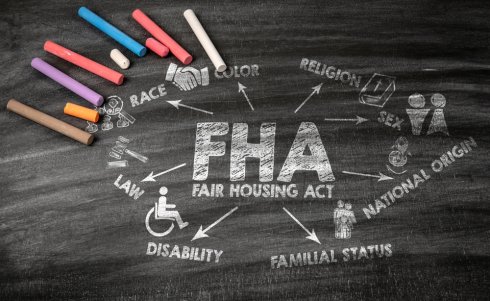
Every December, we are encouraged to reflect on a defining milestone in American constitutional and civil rights history – the ratification of the 13th Amendment on December 6, 1865. This amendment abolished involuntary servitude, legally closing the door on an era of slavery in which entire communities were denied autonomy, dignity, and the most basic conditions of safety and freedom. However, the abolition of slavery did not guarantee equal access to shelter, property, or equitable protections in the marketplace. Those rights have been shaped over more than a century of legislation, advocacy, and heated litigation. For those in the multifamily housing industry — owners, operators, managers, and developers — December offers a historical reminder and a practical moment to reexamine how this legacy informs modern-day obligations under the Fair Housing Act (FHA). Understanding how far the law has evolved helps us understand why compliance is not simply a regulatory matter, but a continuation of a long and unfinished civil rights effort. A Brief History of Post-Emancipation Housing Exclusion Following formal emancipation, formerly enslaved people faced numerous additional hurdles. Although slavery was now outlawed, discriminatory practices (e.g., Black Codes, Jim Crow segregation, sharecropping systems, and violence) denied African Americans safe, stable, and equitable access to housing. In the decades that followed, local and federal policies entrenched segregation across society. Racially restrictive covenants, exclusionary zoning, government-backed redlining, and federal underwriting systematically barred Black families and other minorities from homeownership, quality rental housing, and opportunities for wealth accumulation. Many of these policies persisted well into the 20th century, long after they were socially discredited and, ultimately, legally banned. The Fair Housing Act exists because of this legacy. Housing professionals now operate within a framework designed to dismantle prior patterns of subversive discrimination. A Turning Point: The Fair Housing Act The Fair Housing Act was enacted in April 1968, amid national mourning following the assassination of Dr. Martin Luther King Jr. Its passage marked a watershed moment — explicit recognition that discrimination in housing perpetuated systemic inequality and necessitated federal intervention. The Act prohibits discrimination in any housing-related transaction, including any action or inaction taken related to renting or selling housing, based on: Race Color National Origin Religion Sex (including gender identity and sexual orientation) Familial Status Disability Despite this landmark law, the housing marketplace shifted from overt exclusion to more subtle practices. Instead of engaging in explicit acts of discrimination based on the protected classes above, facially neutral policies were implemented that had either the intended or unintended effect of discriminating against people based on their protected class. Regulations, case law, and HUD guidance have continued to evolve in the years since the passage of the Fair Housing Act in response to modern iterations of discrimination that past lawmakers did not foresee. For example, the Fair Housing Amendments Act of 1988 was enacted in response to some of these changes. Further, HUD’s guidance has since incorporated “disparate treatment” and “disparate impact” in its definition of unlawful discrimination in housing. Disparate treatment is an overt or explicit policy that dictates different terms, conditions, or services to someone because of their protected class. This is often the most obvious form of discrimination, because the policy on its face is discriminatory. On the other hand, disparate impact discrimination involves a seemingly neutral policy that has the unintended (or perhaps subliminally intended) effect of discriminating against a particular protected class because they are the ones most likely (or solely) to be negatively affected by the policy. Examples of disparate impact discrimination may include: criminal record screenings, credit screenings for victims of domestic violence, zoning barriers to supportive housing, disregarding disability accommodations, predatory marketing, or algorithmic rental determinations. Notably, in late 2025, HUD announced that it intends to cease all enforcement of disparate impact claims and focus solely on disparate treatment complaints. This could drastically shift the fair housing enforcement landscape and have unexpected repercussions for multifamily regulatory compliance. In sum, this is why the housing industry’s compliance obligations are dynamic and constantly changing. What Multifamily Professionals Can Learn From This Legacy Compliance Requires Adaptability & Intuition Discrimination does not have to be intentional to be illegal. A legally compliant and otherwise neutral policy can still have a discriminatory impact. Courts continue to scrutinize how tenant screening, occupancy limits, advertising strategies, and property safety policies may disproportionately harm certain protected classes. Owners and managers of multifamily properties should conduct annual disparate-impact audits and seek counsel if a policy is having biased results on a particular demographic. Accessibility Is a Civil Rights Issue Since the Fair Housing Amendments Act of 1988, multifamily developers have been required to incorporate basic design and construction accessibility features. Increasingly, litigation and DOJ enforcement are focused on persistent non-compliance. Moreover, discrimination complaints based on “disability” status or failure to grant a reasonable accommodation continue to be the most prevalent, accounting for more than 50% of the complaints filed each year. Treat accessibility as a civil rights mandate, not a line-item cost. Stay Attuned to Evolving Protected Classes Recent interpretations make clear that sexual orientation, gender identity, and gender expression fall under the Fair Housing Act’s sex-based protections. Some state and local jurisdictions have codified these expressions into articulated protected classes. HUD’s enforcement priorities continue to expand as courts interpret the Fair Housing Act in light of broader civil rights movements. From the housing provider’s perspective, it’s clear that a broader interpretation of protected characteristics is the safer option. Risk Management & Reputation: Algorithms and AI Tools Are the New Frontier Automated tenant-screening products and digital advertising platforms may unintentionally replicate historical biases — repeating old patterns of exclusion with new technology. Owners should demand transparency from screening vendors and ensure human review before any adverse decision is issued, particularly given HUD’s guidance on criminal record screening and the push for an individualized assessment of a person’s criminal history. Investors and insurers increasingly view fair housing compliance as a key component of responsible operations. Violations, even for inadvertent screening errors, carry not only civil penalties but also reputational harm. In an increasingly competitive market, with a push for more transparency, eyes are on housing providers. Honoring December’s Legacy Through Fair Housing Leadership The abolition of slavery was the beginning of a transition toward civil rights, and the Fair Housing Act remains one of the strongest tools we have to dismantle the residual discriminatory structures that followed emancipation. For the multifamily housing industry, compliance is more than adherence to a regulatory framework — it is stewardship of the idea that housing should be safe, accessible, and free from discrimination for every person, regardless of their background. This December, as we reflect on our nation’s journey from emancipation to the present, the work is not finished. Each applicant screening decision, each accommodation request, each accessibility plan, and each interaction with a resident or prospect is part of our ongoing civil rights legacy.
December 17, 2025
Landlord Representation
VAWA Compliance: New 2025 HUD Forms & What You Need to Know
The Violence Against Women Act (VAWA) has long provided essential housing protections for victims of domestic violence, dating violence, sexual assault, and stalking. For housing providers operating federally subsidized housing programs (e.g., Section 8, public housing, and LIHTC), compliance is mandatory. In March 2025, the U.S. Department of Housing and Urban Development (HUD) released updated versions of several key VAWA forms, which now carry an expiration date of January 31, 2028. These new forms are required to be used by covered housing providers to ensure compliance with VAWA’s housing provisions. Additionally, it is worth noting that VAWA protections apply regardless of gender and are designed to promote safety, mitigate risk, and prevent displacement. Moreover, your state or local jurisdiction might have enhanced VAWA protections in addition to the federal requirements. Which Forms Changed in 2025? Form HUD-5380 – Notice of Occupancy Rights Under VAWA This document informs tenants and applicants of their rights under VAWA. The new form included several changes, such as clarifying the process and documents needed, expanding the definitions of “affiliated individual,” enhancing confidentiality provisions for housing providers to comply with, clarifying the instructions for residents, and adjustments to overall formatting for readability. Covered housing providers are required to provide Form HUD-5380 to residents or applicants at: (a) move-in; (b) with any notice of eviction or lease termination; and (c) when denying an application to a HUD-subsidized unit or program. To safeguard ongoing compliance, covered housing providers must use this updated form and ensure staff are trained on proper use and distribution. If you’re unsure whether your forms are current or need help implementing them, reach out for legal guidance. Form HUD-5381 – Model Emergency Transfer Plan (Optional but recommended) This form is optional, but it provides housing providers with a template for implementing emergency transfer procedures for survivors. Form HUD-5382 – Certification of Domestic Violence, Dating Violence, Sexual Assault, or Stalking This form allows survivors to self-certify their experience and request protections under VAWA. Covered housing providers are required to provide this form upon a request from a resident and/or when a survivor seeks an emergency transfer or protection from eviction. Form HUD-5383 – Emergency Transfer Request Regardless of whether a resident is complying with their lease agreement, this form allows residents who qualify as victims under VAWA to request an emergency transfer to another unit for safety reasons. Residents can request such a transfer if they reasonably believe staying in the current unit poses an imminent threat to their safety and/or if a sexual assault occurred at the property within the past 90 days. Covered housing providers are required to keep this information confidential and separate from other documentation in the tenant’s resident file. Form HUD-5384 – Emergency Transfer Data Collection Form This new form introduces a data tracking component for housing providers, which expects property managers to maintain accurate records for compliance audits. In essence, this form seeks information on emergency transfer requests and outcomes to help HUD monitor response times and identify barriers to safety. Why These Updates Matter & Key Takeaways: Using outdated forms can jeopardize compliance and expose housing providers to risk. The updated forms reflect legislative changes from the VAWA Reauthorization Act of 2022 and are designed to streamline provider responsibilities. Immediately replace outdated HUD VAWA forms with the 2025 versions Ensure staff are trained on when and how to distribute these forms (even to applicants) Maintain the utmost confidentiality when handling VAWA-related requests from residents Update your leasing policies to align with VAWA protections Use translated versions of the HUD VAWA forms for applications and residents who use a primary language other than English
November 13, 2025
Landlord Representation
Rent Filings During the Federal Shutdown: What DC, VA & MD Landlords Need to Know
With the federal shutdown underway, landlords in Virginia, Maryland, and the District of Columbia are asking: Should we pause filings for federal workers? The short answer — no, and here’s why. As the federal government shutdown begins, landlords across the region are understandably concerned about the potential impact on tenants who are federal employees or contractors. While certain state laws provide limited relief for furloughed tenants, landlords should not pause nonpayment filings or alter their standard procedures. Virginia Under Va. Code § 44-209, tenants who are federal employees, independent contractors for the federal government, or employees of companies under contract with the federal government may be eligible for a 60-day continuance of an unlawful detainer case for rent due after the shutdown began. To qualify, the tenant must: Appear in court on the initial hearing date, and Provide written proof that they were furloughed or otherwise not receiving wages or payments due to the shutdown. Importantly, this continuance applies only when the case is for nonpayment of rent, not for other lease violations. Landlords should continue to file nonpayment cases as usual; the court will decide whether a tenant meets the statutory criteria for a continuance. Maryland Under Md. Real Property § 8-401(d), courts may stay (temporarily pause) eviction proceedings for tenants who show that: The property is their primary residence They are a federal, state, or local government employee They were involuntarily furloughed without pay because of the shutdown The stay lasts for a period the court deems reasonable, generally not exceeding 30 days after the end of the shutdown, unless a longer delay is justified. Again, this is a court-granted stay, not a reason for landlords to delay filing. Washington, D.C. D.C. previously enacted the Federal Worker Housing Relief Act of 2019, which temporarily allowed furloughed workers to request up to a 90-day stay of eviction proceedings. That law expired in early 2020 and is no longer in effect. Today, landlords should note that under the D.C. Human Rights Act, treating tenants differently based on their source of income, including federal employment, may constitute discrimination. Overall Takeaway Landlords in Virginia, Maryland, and D.C. should continue handling nonpayment matters in the normal course, allowing courts to determine whether tenants qualify for relief. Do not delay filings or make selective accommodations. Do allow the courts to apply the applicable continuance or stay provisions if a tenant demonstrates eligibility. Avoid differential treatment of tenants based on employment type or source of income. In short: issue notices, file as usual — we will handle the rest in court.
October 9, 2025