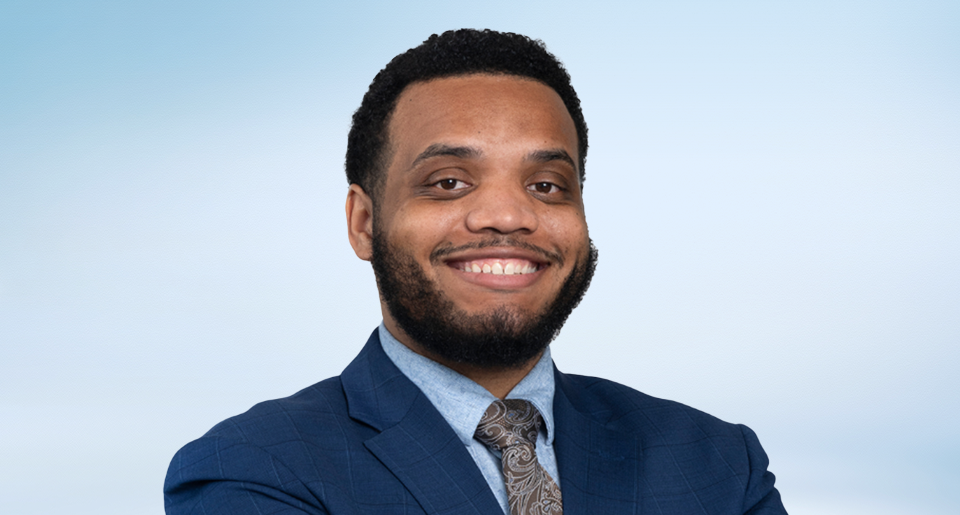
Portrait of Freddie Moore, III

Freddie Moore, III

Attorney

Freddie Moore, III represents national contractors and corporate clients in complex toxic tort and product liability litigation across multiple jurisdictions. He defends claims involving alleged exposure to hazardous substances and works closely with clients to develop practical litigation strategies that align with their business objectives.

Freddie manages matters through all stages of litigation, including discovery, motion practice, settlement negotiations, and trial preparation. He is focused on helping clients control costs, manage risk, and achieve efficient resolutions while vigorously defending their interests.

Before entering private practice, Freddie served as a prosecutor with the Philadelphia District Attorney’s Office, where he gained significant courtroom and trial experience. His background in both criminal and civil litigation enables him to analyze complex legal issues, communicate effectively, and develop strategic solutions for clients facing high-stakes disputes.

Whether coordinating national litigation strategy or preparing a case for trial, Freddie provides responsive counsel designed to protect clients’ interests and support their long-term business goals.

    Education

    • Temple University Beasley School of Law (J.D.)
    • Baylor University (B.A.)
      • Honors College

    State Bar Admissions

    • Pennsylvania

Firm Highlights

  • Podcasts
    Artful Donations: Exploring Museum Exchange
    In this episode of The Legal Canvas, host Caryn Keppler welcomes Robert Wainstein and Michael Darling, co-founders of Museum Exchange, the first digital platform dedicated to facilitating art donations to museums and nonprofit institutions across North America. Together, they explore how technology is transforming the way collectors, artists, estates, and cultural organizations connect through charitable giving. Robert and Michael explain the inspiration behind Museum Exchange, the challenges they set out to solve, and how the platform has grown into a network of more than 400 museums. They walk listeners through the donation process—from evaluating artwork and matching donors with institutions to handling logistics, documentation, and tax considerations. Along the way, they discuss the realities of museum collecting, why many donations are declined, and how thoughtful placements can help preserve artists' legacies while expanding access to important works of art. The conversation also explores Museum Exchange's work with living artists, artist estates, hospitals, universities, and smaller regional museums, as well as the launch of the Charis Foundation for the Arts, a nonprofit designed to steward significant collections before placing them with institutions that can best benefit from them. Robert and Michael conclude by sharing their vision for the future of charitable art transactions and how Museum Exchange is helping reshape philanthropy in the arts for generations to come.