Please join us on September 18 for an event that’s sure to be a home run!
***We will lead off by interviewing our Spotlight Speaker Series guest, Baltimore Orioles CFO, Darline Llamas Llopis.***
After, we will ask ourselves, what separates great companies from good ones?
We believe that more often than not, it is the strength of the partnership between the CEO and CFO that matters, so we are bringing you three CEO/CFO leadership teams to learn from.
The Associated: Jewish Federation of Baltimore – Andrew Cushnir and Sam Klein
Canusa Paper & Packaging – Mike Walter and Vince Salamone
EMR – Caroline Kauffman-Kirschnick and Lisa Loeffler
Join us for an exclusive executive briefing – three tandem presentations followed by a panel discussion - featuring CEOs and CFOs from different but leading organizations as they share candid insights into building trust, navigating difficult decisions, driving strategic growth, and leading through today's business challenges. You'll hear firsthand how these executive teams navigate conflict, align on priorities, and build high-performing organizations.
Whether you're a CFO, controller, finance executive, or an aspiring business leader, you'll leave with practical ideas and fresh perspectives you can apply immediately.
Meet Our Speakers:
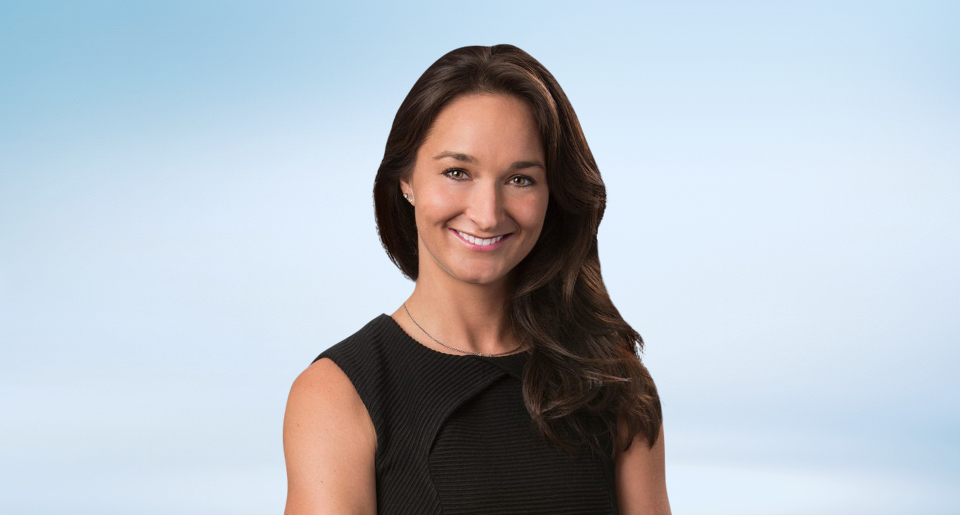
Darline Llamas Llopis • Orioles
Chief Financial Officer
Darline Llamas Llopis is in her second season with the Orioles as Chief Financial Officer (CFO). Prior to joining the Orioles, Llamas Llopis spent four seasons with the Miami Dolphins, Hard Rock Stadium, and the F1 Miami Grand Prix as Vice President of Finance and Retail. In this capacity, she managed the finance, accounting, payroll, account payables, procurement and merchandise operations for the team and race.
She also previously served for four years as the Director of Finance and Controller at the Los Angeles Rams. Llamas Llopis started her career in public accounting with Ernst & Young and PricewaterhouseCoopers as a member of the Commercial Real Estate practice. Llamas Llopis completed her MBA at UCLA Anderson School of Management and received her Master of Accountancy from the University of Southern California (USC) where she also graduated cum laude with an undergraduate degree in business. She is a member of the American Institute of Certified Public Accountants (CPA) and is an active CPA. She resides in Baltimore with her husband, Devin, and their son, Santiago.
Andrew Cushnir • The Associated: Jewish Federation of Baltimore
President & Chief Executive Officer
Andrew Cushnir is the President and Chief Executive Officer of The Associated, having started in the role in May 2024. He is the eighth person to serve in this role since The Associated’s founding over 100 years ago. Andrew brings a wealth of experience and a profound dedication to strengthening and enriching the Jewish community. His journey within the Jewish Federation system began as a passionate lay leader and volunteer before he transitioned into serving as a professional. He worked for the Jewish Federation of Los Angeles for twenty years, including in the roles of Chief Planning and Program Officer and Chief Development Officer. During this time, Andrew played a crucial role in reshaping the allocation process and fostering a culture of collaboration and partnership and he also led all annual, project, and emergency fundraising, as well as planned giving efforts. As a member of the Federation’s executive team, he also addressed complex community and organizational issues. Andrew and his wife Sharon Spira-Cushnir, a seasoned nonprofit human services executive, are the proud parents of two children in their early 20s.
Sam Klein • The Associated: Jewish Federation of Baltimore
Chief Financial Officer
Sam Klein is a seasoned nonprofit finance executive with nearly two decades of experience leading financial strategy, operations, budgeting, and organizational transformation for mission-driven institutions. As Chief Financial Officer of The Associated: Jewish Federation of Baltimore, he oversees the organization's financial operations, investment stewardship, budgeting processes, risk management, and long-term financial planning, helping advance the Federation's mission of strengthening and supporting Jewish life in Baltimore, Israel, and around the world.
Throughout his career, Sam has been recognized for his ability to align financial stewardship with organizational mission, drive process improvements, implement technology solutions, and build high-performing teams. His expertise includes nonprofit finance, strategic planning, budgeting and forecasting, investment oversight, financial reporting, compliance, operational excellence, and organizational growth.
Sam earned a Master of Business Administration in Finance from the Johns Hopkins Carey Business School and a Bachelor of Science in Finance and Marketing from Syracuse University.
Mike Walter • Canusa's Paper & Packaging
Chief Executive Officer
As Chief Executive Officer of Canusa Paper & Packaging (CPP), Mike Walter leads one of the world's leading independent international brokerages of containerboard and packaging papers. Mike recently celebrated his 20th anniversary with Canusa and has overseen a doubling of the business in the past five years. Mike’s first role at Canusa was an intern before moving into a risk management role. Progressive promotions over the years led Mike to serve as Canusa's Chief Operating Officer and General Counsel, as well as General Counsel for its affiliate, Canusa Hershman before becoming the CPP CEO on January 1st, 2025. Mike graduated with a B.S. in Commerce & Engineering from Drexel University before earning his J.D. at the University of Baltimore’s School of Law.
Vince Salamone • Canusa's Paper & Packaging
Chief Financial Officer
Vince Salamone serves as Chief Financial Officer of Canusa Paper & Packaging, overseeing the company's global financial strategy and overall operations, risk management, and other shared services. Since joining Canusa in 2018, Vince has advanced from Corporate Controller to CFO. Prior to Canusa, Vince held senior accounting and financial reporting roles at modular space leader Algeco Scotsman and supply chain real estate operator Realterm, bringing extensive expertise in finance and corporate accounting. He began his career with Deloitte, providing assurance services to clients in aerospace and defense, software, and manufacturing throughout the Mid-Atlantic. Vince attended the University of Maryland and Towson University, earning his B.S. in Accounting in 2012 and his CPA license in 2014.
Caroline Kauffman-Kirschnick • The Electric Motor Repair Company
President
Caroline Kauffman is President of EMR, where she leads company strategy, operations, business development, and culture. Having grown up in the family business and worked in nearly every area of the organization—from accounts receivable and human resources to operations and branch leadership—she brings a unique, firsthand understanding of what drives business success. Since becoming President in 2018, Caroline has championed employee engagement, teamwork, and innovative problem-solving while helping guide EMR's continued growth. She holds a Bachelor of Science in Public Relations from York College of Pennsylvania and is active in several industry and family business organizations.
Lisa Loeffler • The Electric Motor Repair Company
Chief Financial Officer
Lisa Loeffler is a strategic Chief Financial Officer with more than 25 years of executive leadership experience driving growth, financial transformation, and operational excellence across private equity-backed, privately held, and international organizations. She has led finance functions for companies with revenues from $40 million to $600 million, specializing in M&A, FP&A, ERP implementations, financial strategy, and organizational transformation. Known for building high-performing teams and partnering with CEOs and boards, Lisa delivers scalable solutions that strengthen financial performance, improve operational efficiency, and position organizations for sustainable growth and successful transactions.
Thank You to Our Sponsors