Recognition

Offit Kurman Attorney Matt Karmel Named in NJBIZ's 2024 Law Power 50 List

July 24, 2024

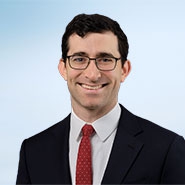
Attorney Matt Karmel, practice group leader of Offit Kurman's Environmental and Sustainability Practice Group, has been featured in the 2024 NJBIZ Law Power 50, a recognition list published by NJBIZ highlighting 50 influential attorneys in New Jersey who have made significant contributions to the legal field. The list acknowledges and celebrates the achievements of top legal professionals in the state, and selection criteria for this accolade include:

  • Professional achievements
  • Leadership
  • Contributions to major legal matters
  • Influence on legal policy and business law
  • Involvement in legal and community organizations
  • Overall reputation

Based in our Morris County, New Jersey office, Matt has built a practice at the intersection of environmental law and emerging sustainability issues. He serves a diverse range of clients, from Fortune 100 companies to homeowners, translating complex legal concepts into actionable business strategies. As a thought leader, Matt contributes to publications such as Waste Dive and BioCycle and speaks at institutions such as Rutgers University and Fordham Law. His commitment to sustainability extends to his roles on boards such as the Mid-Atlantic Solar & Storage Industries Association and the NJ Composting Council and through "The Planetary Lawyer Project," a newsletter he founded to inspire climate-focused legal careers and pro bono work.

To learn more about the NJBIZ Law Power 50, please click here.
Related People

Firm Highlights

  • Podcasts
    Artful Donations: Exploring Museum Exchange
    In this episode of The Legal Canvas, host Caryn Keppler welcomes Robert Wainstein and Michael Darling, co-founders of Museum Exchange, the first digital platform dedicated to facilitating art donations to museums and nonprofit institutions across North America. Together, they explore how technology is transforming the way collectors, artists, estates, and cultural organizations connect through charitable giving. Robert and Michael explain the inspiration behind Museum Exchange, the challenges they set out to solve, and how the platform has grown into a network of more than 400 museums. They walk listeners through the donation process—from evaluating artwork and matching donors with institutions to handling logistics, documentation, and tax considerations. Along the way, they discuss the realities of museum collecting, why many donations are declined, and how thoughtful placements can help preserve artists' legacies while expanding access to important works of art. The conversation also explores Museum Exchange's work with living artists, artist estates, hospitals, universities, and smaller regional museums, as well as the launch of the Charis Foundation for the Arts, a nonprofit designed to steward significant collections before placing them with institutions that can best benefit from them. Robert and Michael conclude by sharing their vision for the future of charitable art transactions and how Museum Exchange is helping reshape philanthropy in the arts for generations to come.