In the News

Debbie Petito Quoted in Law360 on EEOC Religious Bias Decision

April 15, 2024

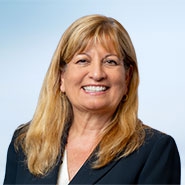
Offit Kurman Principal Debbie Petito was recently quoted in the Law360 article, “3 Takeaways as EEOC Sheds Light on Groff’s Application,” discussing a recent EEOC decision on religious bias.

In a March 7 opinion, the EEOC concluded that the Natural Resources Conservation Service did not discriminate against an employee who was denied an exemption from a required civil rights training that he believed violated his religious beliefs.  The ruling provides valuable insight for private employers about how the commission will apply the Groff test.

Petito told Law360, the issue of religious accommodations doesn't arise often for many employers, and it's important for them to understand exactly what the concern is when an employee raises it. She stressed the importance of asking any questions not in an accusatory or negative manner, but in a sincere way to understand the employee's accommodation request so it can be properly evaluated.

"The main thing is to find out what the employee wants and why," Petito said. "Because if you don't understand the ask, you can't have the discussion, I don't think."

"With training, I would be asking them, 'So why do you believe that the training interferes with their beliefs?'" she added. "The 'why' is really important to have, and it's part of that interactive process."

Read the full Law360 article here (subscription required).
Related People

Firm Highlights

  • Podcasts
    Artful Donations: Exploring Museum Exchange
    In this episode of The Legal Canvas, host Caryn Keppler welcomes Robert Wainstein and Michael Darling, co-founders of Museum Exchange, the first digital platform dedicated to facilitating art donations to museums and nonprofit institutions across North America. Together, they explore how technology is transforming the way collectors, artists, estates, and cultural organizations connect through charitable giving. Robert and Michael explain the inspiration behind Museum Exchange, the challenges they set out to solve, and how the platform has grown into a network of more than 400 museums. They walk listeners through the donation process—from evaluating artwork and matching donors with institutions to handling logistics, documentation, and tax considerations. Along the way, they discuss the realities of museum collecting, why many donations are declined, and how thoughtful placements can help preserve artists' legacies while expanding access to important works of art. The conversation also explores Museum Exchange's work with living artists, artist estates, hospitals, universities, and smaller regional museums, as well as the launch of the Charis Foundation for the Arts, a nonprofit designed to steward significant collections before placing them with institutions that can best benefit from them. Robert and Michael conclude by sharing their vision for the future of charitable art transactions and how Museum Exchange is helping reshape philanthropy in the arts for generations to come.