Estates and Trusts
The Impact of Transgender Executive Order on New York Residents
By Caryn B. Keppler
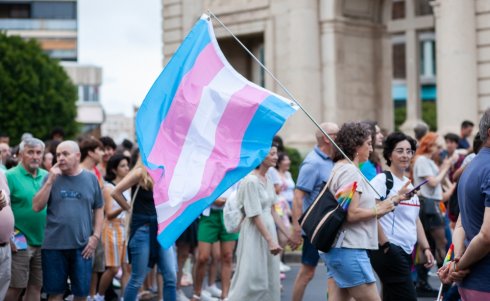
On January 20th, President Trump issued an executive order entitled “Defending Women from Gender Ideology Extremism and Restoring Biological Trust to the Federal Government.” The executive order included provisions for the limitation of two gender markers – male and female -- on United States passports. The passport gender marker limitation is not retroactive but will only apply to issuing new passports and renewing existing passports.
The order would force changes to federal documents, including new and renewed passports, visas, and Global Entry cards, and would require trans inmates to be removed from areas in federal prisons that align with their gender identity. It also rescinds the Biden-era executive order that allowed trans individuals to serve in the military.
Almost immediately after the announcement, transgender advocacy organizations began receiving frantic calls from members of the transgender community, fearing that the executive order could lead to the inability to change identification documents to conform to one’s gender identity, as well as fears of physical harm.
New York is one of several states that have enshrined the protection of gender identity in its constitution. Substantial pushback on the executive order is anticipated at the federal and state levels.
If you are a member of the trans community and were born in New York City and/or the State of New York, you should still be able to change your name and state-issued identity documents to properly align with your gender identity. If you have not already done so, you should start the process of changing your legal name and state-issued identification documents. Various organizations, including A4TE and Lambda Legal, offer assistance with these processes.
Along with your state-issued identification documents, you should make sure that your estate planning documents, including wills, trusts, powers of attorney, health care proxies, and designations of agents for the disposition of your remains, are in order and properly reflect your gender identification. Selecting the proper agents who will fulfill your wishes with respect to your health care and bodily remains is equally important.