Marquee Background
Marquee Background

Offit Kurman Blogs

Landlord Representation

Navigating ICE and Law Enforcement: A Guide for Landlords and Property Managers

March 27, 2025

By William P. Cannon, III and Jennifer Jean-Gilles
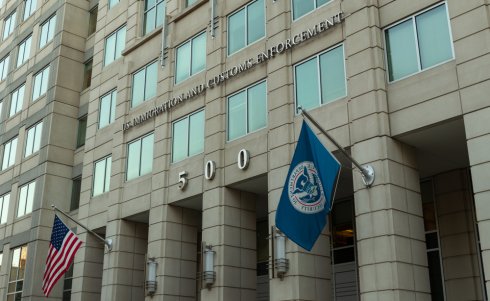
Navigating ICE and Law Enforcement: A Guide for Landlords and Property Managers

As immigration enforcement efforts evolve, landlords and property managers must prepare to respond appropriately when interacting with Immigration and Customs Enforcement (ICE) or other law enforcement agencies. Understanding legal obligations, protecting tenant privacy, and establishing clear policies are important to ensuring compliance while minimizing legal and operational risks.

Establishing Policies and Procedures

One of the most important steps property managers can take is to develop a written policy outlining how to respond to law enforcement during interactions. Having a clear plan in place ensures that all staff members—whether property managers, leasing professionals, or maintenance teams—understand their role in these situations. A well-documented policy helps:

  • Protect tenant privacy and confidentiality.
  • Ensure legal compliance with federal, state and local laws.
  • Maintain consistency in responses to law enforcement inquiries.

Because property management staff frequently changes, a written policy ensures continuity in handling these situations, reducing the likelihood of errors or inconsistencies.

Understanding Law Enforcement Agencies and Documentation

When law enforcement officers arrive at a property, they may be from different agencies, including ICE, the Department of Homeland Security (DHS) or the Department of Justice (DOJ). Each agency may present different types of legal documents, and it is critical to understand the distinctions:

  • Criminal Warrants – Issued by a judge, these warrants may grant law enforcement the right to access a property or obtain specific information.
  • Civil (Administrative) Warrants – Issued by immigration officers rather than a judge, these do not automatically grant access to private property.
  • I-9 Audits – Requests for employment eligibility documentation; typically, businesses have three days to respond.

It is essential not to assume that any document presented requires immediate action. Instead, property managers should take the time to review the warrant, confirm its validity and consult legal counsel as needed.

Protecting Tenant Confidentiality and Managing Risk

Tenant privacy must be safeguarded during interactions with law enforcement. Property managers should follow these steps when responding to a request for information or access:

  • Request a Copy of the Warrant – Always obtain a physical or digital copy before taking any action.
  • Verify the Warrant’s Scope – Determine whether it is a criminal or administrative warrant and whether it grants law enforcement the right to enter the property.
  • Follow Internal Protocols – Staff should notify the designated corporate or legal contact before responding to the request.
  • Minimize the Disclosure of Information – Only provide what is legally required.
  • Avoid Immediate Compliance – Taking a moment to review the request and consult legal counsel can prevent unnecessary disclosures.

Centralizing Decision-Making

A key part of risk management is ensuring that decisions regarding law enforcement interactions are made at a corporate or senior management level rather than on-site. Best practices include:

  • Designating a specific contact within corporate or ownership to handle law enforcement inquiries.
  • Training staff to refer all law enforcement requests to the designated corporate/legal contact.
  • Establishing a clear chain of command so that no one makes a rushed or uninformed decision under pressure.

Fair Housing Considerations

In some jurisdictions, immigration or citizenship status is a protected class under fair housing laws. Locations such as Washington, D.C., Montgomery County, MD, and Prince George’s County, MD, have legal protections prohibiting landlords from inquiring about a tenant’s immigration status during the leasing process. Property managers should be mindful of these laws when handling law enforcement requests related to immigration enforcement.

What to Tell Tenants

Property managers should be cautious about providing legal advice to tenants. If tenants ask what to do in the event of an ICE visit, the best response is to direct them to legal aid organizations or immigration attorneys. Providing legal guidance could lead to liability if tenants misinterpret the information.

Key Takeaways

A clear, written policy helps your team respond consistently and appropriately when law enforcement arrives. Centralizing decision-making ensures that requests are escalated to the correct legal or corporate representative, reducing the risk of rushed or uninformed decisions. It’s also important to distinguish between different types of warrants—criminal warrants typically require immediate action, while administrative ones do not. Taking time to verify documents can help prevent legal missteps. Property managers should also be mindful of fair housing laws, which may prohibit asking tenants about their immigration status. And instead of offering legal advice, direct tenants to reputable legal resources.

With immigration enforcement policies constantly evolving, staying proactive is key. Property managers can comply with the law by setting clear guidelines, training staff, and consulting legal counsel when necessary while protecting their businesses and tenants.


Related Services

  • Posts
  • About
  • Subscribe

Firm Highlights

  • Blog Posts
    Law, Love, and Life's Battles: Facing Breast Cancer
    What happens to a marriage and a family when a breast cancer diagnosis changes everything? In this episode of Love Ends, Law Begins, hosts Fara Rodriguez and Stephanie Lehman have a deeply personal conversation about breast cancer, marriage, family, and the challenges that can come with a serious illness. This episode is especially meaningful for Fara, who shares her own recent breast cancer diagnosis and journey. She opens up about discovering a lump, receiving her diagnosis, undergoing a double mastectomy and subsequent treatments, and navigating the emotional impact of cancer while continuing to work and care for her family. Fara and Stephanie discuss how a cancer diagnosis can affect a marriage in unexpected ways—from changing family roles and creating new caregiving responsibilities to putting pressure on finances, health insurance, and household responsibilities. They explore how illness can either bring couples closer together or create additional challenges, particularly when one spouse becomes the primary caregiver or when the family is dealing with fear and uncertainty. The conversation also addresses the unique challenges of parenting during an illness, including how to talk to children about a cancer diagnosis and how divorced parents may need to adjust parenting schedules and responsibilities when one parent becomes sick. From navigating medical expenses and insurance coverage to balancing work, parenting, caregiving, and intimacy, Fara and Stephanie offer a candid look at the ways illness can reshape relationships and family dynamics. In recognition of Breast Cancer Awareness Month, this episode provides an honest and personal conversation about facing cancer while navigating marriage, family, and the many practical challenges that come with a serious diagnosis. In this episode, you'll hear about: • Fara's personal breast cancer diagnosis and journey • How a cancer diagnosis can affect a marriage • The challenges of becoming a caregiver to your spouse • How illness can bring couples closer together—or create new challenges • Talking to children about a parent's cancer diagnosis • How divorced parents can navigate parenting responsibilities when one parent becomes ill • The financial impact of illness and the loss of household income • Health insurance and medical coverage considerations • How medical expenses can create additional financial strain • The importance of support from family, friends, and caregivers • Balancing work, parenting, treatment, and recovery • How illness can affect intimacy and marital dynamics • The importance of supporting children through a parent's illness • Why communication and cooperation matter during a health crisis • Breast Cancer Awareness Month and the importance of mammograms
  • Events
    AIA Tri-State Conference
    Princeton will serve as the backdrop for three days of connection, learning, and design leadership. From keynotes to tours to the Tri-State Design Awards, this year’s conference is designed to go far beyond education sessions. Kick off the week with pre-conference intensives and individual state component Design Award celebrations, followed by three days of education, inspiration, networking, and design excellence at the 2026 AIA Tri-State Conference—featuring pre-conference intensives, three keynote speakers, 25 education sessions, curated tours, an expo, spec academies, and the AIA Tri-State Design Awards—bringing together architects and design professionals from New Jersey, New York, and Pennsylvania to connect, learn, and celebrate the best of the profession. G2. Designing Secure Practices: Cybersecurity, Data Privacy, Contractual Provisions, and Insurance Risks for Architects (4:00 PM - 5:30 PM) Architects and design professionals increasingly rely on cloud platforms, BIM software, and digital tools to manage sensitive data, creating cybersecurity and privacy risks. A single incident can trigger liability claims, regulatory obligations, reputational harm, and insurance challenges. Yet many firms underestimate how contracts, insurance, and internal practices intersect during a breach. This program offers legal and insurance perspectives on cyber risk in architecture, examining liability exposure, risky contract provisions, and mitigation strategies. A cyber insurance expert will explain policy responses, coverage gaps, coordination with professional liability, and best practices for aligning insurance with contractual risk and protecting firms from evolving cyber threats. Learning Objectives: Identify key cybersecurity and data privacy risks faced by architecture firms and explain how these risks can impact professional liability and project outcomes. Analyze common contractual provisions to determine which clauses may increase exposure to cyber incidents and propose strategies to mitigate these risks. Evaluate the scope and limitations of cyber insurance policies, including coordination with professional liability coverage, to determine how a policy would respond in a breach scenario. Develop actionable risk management strategies by integrating legal, contractual, and insurance considerations to protect sensitive client and project data.