Marquee Background
Marquee Background

Offit Kurman Blogs

Estates and Trusts

Estate Planning: Peace of Mind for Uncertain Times

April 16, 2025

By Lee Carpenter

Estate Planning: Peace of Mind for Uncertain Times

In the late 19th century, death was almost fashionable. Funerals were well attended and even rivaled weddings in their splendor and expense. Department stores offered an array of luxury clothing for grieving mothers and widows. Black fabrics were reserved for those in deep mourning. Then shades of gray and mauve were mixed in as one felt able to rejoin society. If death wasn’t celebrated, it was at least taken very seriously.

But then, our Victorian cousins were closer to death than we are today. The average person didn’t live to see his 50th birthday, and more than three-quarters of all deaths occurred in children under the age of five.

Today, people are living longer than ever, and as a consequence, death is considerably less in vogue. Improvements in medical care, diet, and occupational safety have prolonged life. Still, they have done little to combat the new threats to our existence. The terrors of shootings and random acts of violence, the perils of hurricanes and other natural disasters, and the specter of civil unrest and even all-out war are reason enough to worry about what might lie ahead.

In times like these, peace of mind comes controlling the things you can and being prepared for the unexpected, which means setting aside money for an emergency, having health and life insurance, and even safeguarding against your own disability or death.

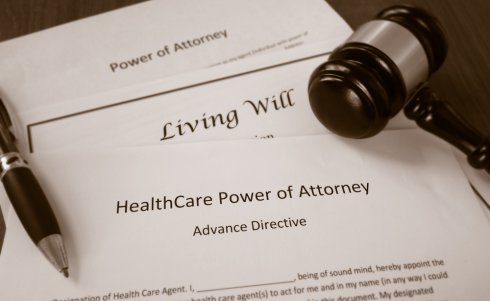
This last item can be the most challenging to consider. It includes thinking about what would happen if you couldn’t manage your own finances or health care. Someone should be put in charge of these essential responsibilities under a durable power of attorney and an advance medical directive.

Armed with these documents, your spouse, partner, or someone else you trust can look out for your best interests if you ever become incapacitated. Without a power of attorney, it could be necessary for a loved one to become your legal guardian through a court proceeding. Guardianships usually require letters of certification from two healthcare professionals who have examined you, as well as an attorney to represent both you and the person seeking to become your guardian. The process is expensive and time-consuming, but it can be avoided altogether with a durable power of attorney.

Failing to prepare an Advance Health Care Directive can also lead to unfortunate results. Responsibility for medical decision-making would probably fall to your next of kin, regardless of who that might be. It could be a spouse, but for a single person, an estranged family member could suddenly be responsible for making life-and-death decisions on your behalf.

Without an advance medical directive, it’s not uncommon for multiple people to have this authority. For example, if your next of kin were a group of siblings, they might argue among themselves as to what sort of medical care you should receive. Some could remember you as a fighter who would want to try every possible treatment before giving up, while others might feel that you should be kept comfortable and not be allowed to suffer.

An even worse outcome can occur when someone fails to prepare a will. It’s tempting to think that the “right people” will inherit when someone dies without a will. However, the rules of inheritance may provide only a portion of the estate to a surviving spouse and nothing at all to an unregistered domestic partner.

In these times of uncertainty, take control of the things you can. Speak with an Estates & Trusts attorney about preparing a will and other planning documents to protect yourself and the people you care about. Then, enjoy the peace of mind that comes from knowing that you are prepared for some of life’s uncertainties.


Categories: Estates and Trusts

Related People

Related Services

  • Posts
  • About
  • Subscribe

Firm Highlights

  • Blog Posts
    Law, Love, and Life's Battles: Facing Breast Cancer
    What happens to a marriage and a family when a breast cancer diagnosis changes everything? In this episode of Love Ends, Law Begins, hosts Fara Rodriguez and Stephanie Lehman have a deeply personal conversation about breast cancer, marriage, family, and the challenges that can come with a serious illness. This episode is especially meaningful for Fara, who shares her own recent breast cancer diagnosis and journey. She opens up about discovering a lump, receiving her diagnosis, undergoing a double mastectomy and subsequent treatments, and navigating the emotional impact of cancer while continuing to work and care for her family. Fara and Stephanie discuss how a cancer diagnosis can affect a marriage in unexpected ways—from changing family roles and creating new caregiving responsibilities to putting pressure on finances, health insurance, and household responsibilities. They explore how illness can either bring couples closer together or create additional challenges, particularly when one spouse becomes the primary caregiver or when the family is dealing with fear and uncertainty. The conversation also addresses the unique challenges of parenting during an illness, including how to talk to children about a cancer diagnosis and how divorced parents may need to adjust parenting schedules and responsibilities when one parent becomes sick. From navigating medical expenses and insurance coverage to balancing work, parenting, caregiving, and intimacy, Fara and Stephanie offer a candid look at the ways illness can reshape relationships and family dynamics. In recognition of Breast Cancer Awareness Month, this episode provides an honest and personal conversation about facing cancer while navigating marriage, family, and the many practical challenges that come with a serious diagnosis. In this episode, you'll hear about: • Fara's personal breast cancer diagnosis and journey • How a cancer diagnosis can affect a marriage • The challenges of becoming a caregiver to your spouse • How illness can bring couples closer together—or create new challenges • Talking to children about a parent's cancer diagnosis • How divorced parents can navigate parenting responsibilities when one parent becomes ill • The financial impact of illness and the loss of household income • Health insurance and medical coverage considerations • How medical expenses can create additional financial strain • The importance of support from family, friends, and caregivers • Balancing work, parenting, treatment, and recovery • How illness can affect intimacy and marital dynamics • The importance of supporting children through a parent's illness • Why communication and cooperation matter during a health crisis • Breast Cancer Awareness Month and the importance of mammograms
  • Events
    AIA Tri-State Conference
    Princeton will serve as the backdrop for three days of connection, learning, and design leadership. From keynotes to tours to the Tri-State Design Awards, this year’s conference is designed to go far beyond education sessions. Kick off the week with pre-conference intensives and individual state component Design Award celebrations, followed by three days of education, inspiration, networking, and design excellence at the 2026 AIA Tri-State Conference—featuring pre-conference intensives, three keynote speakers, 25 education sessions, curated tours, an expo, spec academies, and the AIA Tri-State Design Awards—bringing together architects and design professionals from New Jersey, New York, and Pennsylvania to connect, learn, and celebrate the best of the profession. G2. Designing Secure Practices: Cybersecurity, Data Privacy, Contractual Provisions, and Insurance Risks for Architects (4:00 PM - 5:30 PM) Architects and design professionals increasingly rely on cloud platforms, BIM software, and digital tools to manage sensitive data, creating cybersecurity and privacy risks. A single incident can trigger liability claims, regulatory obligations, reputational harm, and insurance challenges. Yet many firms underestimate how contracts, insurance, and internal practices intersect during a breach. This program offers legal and insurance perspectives on cyber risk in architecture, examining liability exposure, risky contract provisions, and mitigation strategies. A cyber insurance expert will explain policy responses, coverage gaps, coordination with professional liability, and best practices for aligning insurance with contractual risk and protecting firms from evolving cyber threats. Learning Objectives: Identify key cybersecurity and data privacy risks faced by architecture firms and explain how these risks can impact professional liability and project outcomes. Analyze common contractual provisions to determine which clauses may increase exposure to cyber incidents and propose strategies to mitigate these risks. Evaluate the scope and limitations of cyber insurance policies, including coordination with professional liability coverage, to determine how a policy would respond in a breach scenario. Develop actionable risk management strategies by integrating legal, contractual, and insurance considerations to protect sensitive client and project data.