Intellectual Property
Chew on This – SCOTUS Rules that Dog Toy Parodying Jack Daniel’s Can’t Hide Behind First Amendment
By Laura J. Winston
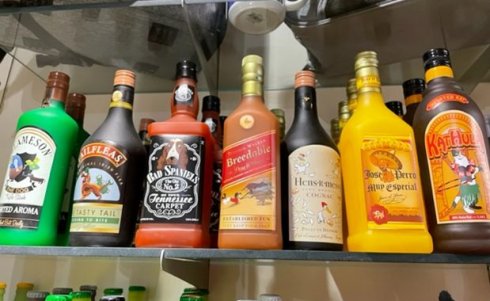
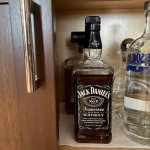
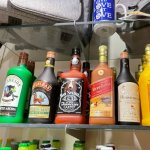
On June 8, the US Supreme Court ruled unanimously in favor of Jack Daniel’s in Jack Daniel’s Properties, Inc. v. VIP Products LLC, overturning the decision of the 9th Circuit Court of Appeals. Justice Elena Kagan wrote the opinion, holding that VIP Products’ sale of a dog chew toy in the shape of a Jack Daniel’s bottle, which also has a label replacing “Jack Daniel’s” with “Bad Spaniels” and other parodying of the Jack Daniel’s label in a manner referring to dog defecation, was not sufficiently protected under the First Amendment to avoid liability for trademark infringement or dilution.
The SCOTUS decision was not a complete victory for Jack Daniel’s. Having held that the “Bad Spaniel’s” chew toy was not protected from claims of trademark infringement and dilution, Justice Kagan sent the case back down to the US District Court for a determination of whether there is a likelihood of confusion and whether “Bad Spaniels” dilutes Jack Daniel’s trademarks.
VIP Products’ position was that its “Bad Spaniels” chew toy was an expressive work that conveyed a humorous message and that, therefore, the First Amendment protects the use from a claim of trademark infringement. However, VIP Products had also claimed that “Bad Spaniels” and other parodying elements were trademarks owned by VIP Products. This contributed to VIP Products’ downfall: because VIP Products was using “a trademark to designate the source of its own goods—in other words, … used a trademark as a trademark,” as Justice Kagan put it, VIP Products was not entitled to special First Amendment protection.
In making this ruling, Justice Kagan made a point of saying more than once that the parody aspect of the “Bad Spaniels” toy could factor into an analysis of the likelihood of confusion. In other words, where such content is a parody, consumers are less likely to be confused into thinking that the parodic products come from the same source as the product being parodied.
SCOTUS also knocked down the 9th Circuit’s holding that there was no trademark dilution. Under federal trademark dilution law, owners of famous trademarks can sue users of identical and very similar trademarks even where there is no likelihood of confusion. The 9th Circuit said VIP Products’ use was “noncommercial” because it was a parody and conveyed a humorous message. Justice Kagan disagreed, finding that the 9th Circuit’s view was too expansive and noting that there are limitations in the dilution law where the parodying content is used as a source identifier of the accused product.
What can we take away from this decision? This is by no means an absolute bar on selling items that may constitute a parody of a brand, even a famous one. However, creators of such products would do well to avoid treating the parodying elements as trademarks and avoid any content or action that could mislead the public into thinking there is a source connection between the parodied product and the parodying one.