Intellectual Property Law Blog
Intellectual Property
Pop Art Time Bomb: The Second Circuit's Ruling in Hayden v. Koons
In the late 1980s, American artist Michael Hayden created a Styrofoam serpent sculpture for Ilona Staller, the Italian adult film actress and parliament member better known as Cicciolina, to use as a prop during her live erotic performances. Hayden sold the work to Staller's production company in 1988 for approximately $900. A year later, Staller’s husband, American artist Jeff Koons, posed with Staller for a series of erotic photographs that would become Koons’ Made in Heaven series. Three of those works depicted Koons and Staller atop Hayden's sculpture, and they debuted at the 1990 Venice Biennale to what Hayden himself described in his complaint as a "media sensation and scandal" that "launched Koons into the art world's stratosphere." Hayden claims he did not discover any of this until 2019, when a news article about an unrelated Staller lawsuit caught his attention. He registered his copyright and sued Koons in December 2021. The case never reached the merits. The Copyright Act requires that infringement claims be filed within three years of when the copyright owner discovers, or reasonably should have discovered, the infringement. The Second Circuit affirmed dismissal on statute of limitations grounds, rejecting Hayden's argument that constructive discovery requires a plaintiff to have actual knowledge of specific triggering facts before the clock starts running. The court clarified that constructive discovery turns on a fact-intensive, objective inquiry into whether a reasonably diligent copyright holder, given all the surrounding circumstances, should have uncovered the infringement. Applying that standard, the panel found the answer here was obvious: Hayden lived in Italy for nearly three decades, was fluent in Italian, consumed Italian news daily, had a direct professional relationship with Staller, and was present in Italy during the very Biennale that made Koons internationally famous, with Staller prominently featured. The court was careful to note that its ruling does not create a "celebrity privilege" that automatically starts the limitations clock whenever a famous artist is involved. Fame is one factor among many, not a categorical rule. The practical lesson for copyright owners is sobering. A rights holder who ignores widespread, international coverage of allegedly infringing work does so at significant legal peril, regardless of whether they actually saw that coverage. Hayden's claim failed not because he sat on a known injury, but because the court concluded a reasonably diligent person in his position could not plausibly have missed it.
August 11, 2026
Intellectual Property
Why Trademark Issues Slow Deals and Launches More Than the USPTO Ever Will
When a trademark timeline slips, the U.S. Patent and Trademark Office is often the first to receive the blame. Applications take months before they are examined. Office Actions interrupt momentum. Publication introduces another waiting period. If an opposition is filed, the timeline extends even further. Those delays are real, but in my experience, they are rarely the reason a transaction stalls or a product launch is postponed. More often, the real delay occurred months, or even years earlier, when important trademark decisions were deferred because they did not seem urgent at the time. By the time financing, acquisition, product launch, or national expansion is on the calendar, those unresolved issues have become immediate business problems. The trademark process itself has not changed. What has changed is the company's tolerance for uncertainty. For in-house counsel, recognizing this distinction is important. The USPTO follows a predictable process. Internal decision-making often does not. Understanding where delays truly originate allows legal teams to identify and eliminate bottlenecks before they jeopardize business objectives. Trademark Problems Rarely Appear Overnight Most trademark issues do not emerge suddenly. They develop gradually. A company may know that a registration does not cover a new product line but decides to revisit the issue later. A clearance search may identify a potentially conflicting mark, but the business concludes that expansion into that market is still years away. A brand may be used inconsistently across websites, packaging and marketing materials without anyone viewing it as a pressing legal concern. Individually, these decisions often seem reasonable. Resources are limited, business priorities shift, and not every trademark issue requires immediate action. The problem is that unresolved issues rarely disappear. They simply remain dormant until another business event makes them impossible to ignore. When that event arrives, the timeline has already become compressed. Transactions Have a Way of Exposing Trademark Weaknesses Corporate transactions are particularly effective at bringing trademark issues into focus. During due diligence, buyers, investors, and lenders expect intellectual property to be organized, documented, and defensible. Questions that may never have been raised internally suddenly become central to the transaction. Who owns the trademark registrations? Are key brands properly assigned? Do registrations cover the products and services that generate the company's revenue? Are there unresolved Office Actions, opposition proceedings, or coexistence agreements that affect the strength of the portfolio? Has the company consistently used its marks in a way that preserves their distinctiveness? These are not obscure legal questions. They directly affect the value of the business being acquired or financed. The important point is that these issues almost never originate during the transaction itself. They simply become visible because someone outside the organization is evaluating the portfolio with fresh eyes and a lower tolerance for uncertainty. The due diligence process does not create trademark risk. It reveals trademark risk that already existed. Product Launches Create the Same Dynamic Product launches create a similar form of pressure, although the audience is different. Early in the branding process, changing a proposed product name is usually inexpensive. Marketing materials have not been finalized. Packaging has not been printed. Domain names can still be secured, and advertising campaigns have not yet begun. As the launch progresses, those options become more expensive. Eventually the company reaches a point where significant investments have already been made. Packaging is in production. Retail partners have committed shelf space. Sales teams have begun customer outreach. Digital marketing campaigns are scheduled to go live. At that stage, even a relatively modest trademark issue can disrupt the entire launch. Leadership is no longer asking whether the legal risk exists. Instead, the discussion becomes whether the company is willing to absorb the cost of changing course or accept the risk of moving forward. Neither option is ideal. Had the trademark issue been identified and resolved earlier, the same legal analysis could have been completed with far less business disruption. The Real Bottleneck Is Usually Internal Alignment One of the more interesting aspects of trademark practice is that the USPTO is often the most predictable participant in the process. The agency publishes examination timelines. Filing procedures are well established. Office Actions follow defined rules, and applicants generally know the deadlines for responding. Internal decision-making rarely operates with the same level of predictability. Trademark issues often require input from legal, marketing, product development, executive leadership, and sometimes outside agencies or investors. Each group may view the issue through a different lens. Marketing may prioritize brand recognition. Product teams may prioritize launch dates. Business leaders may focus on revenue targets. Legal may focus on protecting long-term brand value and reducing litigation risk. None of these perspectives is wrong, but reaching alignment can take far longer than preparing and filing a trademark application. When no clear decision-making framework exists, each trademark issue becomes an individual negotiation. Time is spent identifying stakeholders, gathering information, evaluating alternatives, and revisiting questions that could have been addressed months earlier. That is where many delays occur. Earlier Conversations Matter More Than Earlier Filings The solution is not necessarily filing trademark applications earlier in every circumstance. Rather, it is beginning the strategic conversations earlier. Regular trademark portfolio reviews can identify gaps before they affect a financing or acquisition. Consistent clearance procedures can reduce the likelihood of late-stage naming disputes. Periodic reviews of ownership records, assignments, and registrations help ensure that documentation is complete when diligence begins. Equally important is establishing clear escalation procedures. When a significant trademark issue arises, decision-makers should understand who needs to be involved, what level of risk requires executive attention, and how competing business objectives will be evaluated. Organizations that have these processes in place generally make trademark decisions more efficiently because they are not creating the decision-making structure while simultaneously facing a business deadline. Trademark Strategy Is Really Business Strategy It is easy to think of trademarks as a legal compliance issue or simply another filing obligation. In reality, trademarks support some of a company's most valuable business assets: its brand identity, customer recognition, goodwill, and market reputation. When those assets are managed proactively, transactions tend to proceed more smoothly, product launches face fewer last-minute obstacles, and business leaders have greater confidence in the decisions they make. Conversely, when trademark issues remain unresolved until a deal or launch forces action, legal teams often find themselves responding under compressed timelines with fewer practical options available. The trademark process itself is usually not what slows the business. More often, the delay results from waiting too long to make decisions that were always going to have to be made. The companies that move fastest are not necessarily the ones that file the most trademark applications. They are the ones that treat trademark strategy as an ongoing business function rather than a task reserved for moments of crisis. By addressing issues before they become urgent, they preserve flexibility, reduce transaction friction, and keep important business initiatives moving forward.
August 6, 2026
Intellectual Property
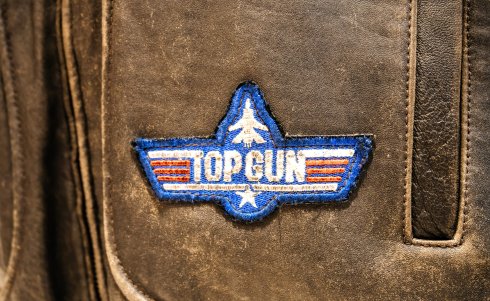
Danger Zone: Top Gun Heirs Ask Supreme Court to Rewrite the Rules on Copyright Similarity
When Ehud Yonay wrote "Top Guns" for California Magazine in 1983, an 11-page account of the Navy's elite fighter pilot training program, Paramount Pictures came calling almost immediately, licensing the rights, and using the article as the springboard for the 1986 blockbuster Top Gun. After Yonay's death in 2012, his heirs attempted to exercise a powerful but often-overlooked copyright tool: statutory termination rights under 17 U.S.C. § 203, which allow an author's heirs to reclaim copyright grants made during the author's lifetime after a statutory period has elapsed. When Paramount released Top Gun: Maverick in 2022 without compensating or crediting the Yonay estate, the heirs promptly sued for copyright infringement and breach of contract. A district court disposed of the case in 2024, granting Paramount’s motion for summary judgment. The Ninth Circuit affirmed in January 2026, holding that Maverick did not infringe the article because every meaningful similarity between the two works, the shared setting, the fighter-pilot culture, aerial training sequences, etc., reflected unprotectable facts about the real Top Gun program rather than any protected original expression from Yunay’s work. While courts ultimately resolved the § 203 claim forming the basis of the suit in the Yonay’s favor, confirming that the rights to the initial article reverted to them, the central legal battleground became "substantial similarity,” the established standard that copyright plaintiffs must satisfy to show that a defendant copied their original creative expression, as opposed to the underlying facts or ideas, which lie in the public domain. The Ninth Circuit applies a two-step approach to determine substantial similarity. First, an "extrinsic test" that dissects a work into its component parts, filters out unprotectable elements like facts and generic ideas, and compares what remains piece-by-piece. Only works that clear this analytical gauntlet proceed to an "intrinsic test,” a holistic, ordinary-observer assessment of overall similarity. The Yonays argued that the article's vivid language, innovative structure, and the distinctive way Yonay wove those elements into a coherent portrait of a fighter pilot’s life were all protectable, including under a "selection-and-arrangement" theory, which recognizes that an original combination of otherwise unprotectable elements can itself merit copyright protection. The Court disagreed; every similarity, the Court stated, either dissolved into uncopyrightable facts about the real program or evaporated into abstract narrative ideas too general to be owned (the "redemption of a hero," beauty and terror juxtaposed in aerial sequences). Thus, the Yonays' selection-and-arrangement theory failed because the narrative patterns they identified were storytelling conventions, not Yonay's original contribution. The Yonays are appealing the Ninth Circuit’s decision and are applying for certiorari to make their case before the Supreme Court, basing their appeal on a new theory highlighting a significant circuit split. While the Ninth Circuit requires plaintiffs to clear the extrinsic-dissection test before any holistic similarity assessment, the Second, Third, Fifth, Seventh, and D.C. Circuits consider overall similarity without the threshold hurdle. Should SCOTUS grant certiorari and find for the Yonays, the result may be a sea change in the way copyright analysis is handled in one of the busiest jurisdictions for such cases. The Second and Ninth Circuits handle the heaviest copyright dockets in the country, covering the publishing and entertainment capitals. Yet, rights holders face materially different legal standards depending on which coast their lawsuit lands. The Yonays’ petition frames this as a $2 trillion problem, invoking copyright-intensive industries' contribution to the national economy, and argues that the Ninth Circuit's approach effectively strips protection from works like Yonay's, where original expression is inseparable from journalism about real events. Whether the Court grants certiorari remains to be seen, but the petition puts a consequential question about how courts measure creative similarity directly on its radar.
August 3, 2026
Intellectual Property
How the Trademark Registration Process Actually Works — and Where Companies Get Stuck
Many companies describe the trademark registration process as slow, unpredictable, or unnecessarily complicated. While the process does take time, much of the frustration comes from misunderstanding how it works and where meaningful decisions actually occur. From an in-house counsel's perspective, the registration process is less about waiting on the USPTO and more about managing internal expectations, coordinating stakeholders and making timely business decisions. Companies that understand the process tend to move through it with far less frustration than those that assume registration is a simple administrative exercise. Understanding what happens at each stage allows legal and business teams to anticipate issues instead of reacting to them. Filing Is Only the Beginning Submitting a trademark application is an important milestone, but it is only the first step. Once an application is filed, it enters the USPTO examination queue, where it typically waits several months before an examining attorney reviews it. This waiting period often creates confusion. Business teams may assume the application is actively moving toward approval when, in reality, nothing substantive has happened yet. The delay is not unique to a particular application; it is simply how the examination system is structured. This is an excellent opportunity for in-house counsel to set expectations. Filing secures a filing date and begins the registration process, but it does not mean the government has approved the mark or even evaluated it. Managing expectations early helps prevent unnecessary status inquiries and allows the business to focus on preparing for the next meaningful stage. Examination Is the First Real Decision Point Once an examining attorney reviews the application, the USPTO determines whether the mark satisfies the legal requirements for registration. If issues are identified, the USPTO issues an Office Action explaining the concerns. These may involve: Likelihood of confusion with an existing registration Descriptiveness Identification of goods or services Specimen deficiencies Procedural issues Many applicants view an Office Action as a setback. In reality, Office Actions are a routine part of the registration process, and many applications receive one. What often delays the process is not the Office Action itself but the company's response. Legal may need input from marketing. Marketing may want to preserve branding. Business leadership may need to evaluate whether to narrow the application, adopt a consent agreement, or consider a new mark altogether. These internal discussions frequently consume far more time than preparing the legal response. The organizations that move efficiently are those that have already identified who makes these decisions before an Office Action arrives. Internal Alignment Matters More Than USPTO Timelines The USPTO controls its examination schedule, but companies control how quickly they respond. Trademark issues often require input from multiple departments: Marketing Product teams Executive leadership Outside counsel In-house legal Without clear ownership, simple decisions can remain unresolved for weeks or months. For example, if a refusal raises concerns about the scope of goods or services, someone must decide whether narrowing the application affects future business plans. If a conflict with another mark exists, leadership must determine whether coexistence, rebranding, or enforcement makes the most business sense. These are business decisions with legal implications — not merely legal questions. Organizations that establish decision-making procedures before problems arise consistently move applications forward more efficiently. Publication Is Not the Finish Line Once an application overcomes any examination issues, it is published in the USPTO's Official Gazette. Publication allows third parties to oppose registration if they believe the mark would harm their existing rights. Many applications pass through publication without incident, leading businesses to believe registration is virtually guaranteed. While that is often true, publication remains a meaningful risk period. Competitors, trademark owners, or other interested parties have an opportunity to challenge the application. If an opposition is filed, what appeared to be a straightforward registration can become a contested proceeding before the Trademark Trial and Appeal Board. For in-house counsel, publication should be viewed as another governance checkpoint. If an opposition arises, the company must evaluate the business value of the mark, litigation costs, settlement opportunities, and long-term branding objectives. The legal question is only part of the analysis. Registration Begins a New Phase Receiving a registration certificate is an important accomplishment, but it is not the end of trademark management. Trademark rights must be maintained. That includes monitoring renewal deadlines, maintaining proper use of the mark, updating ownership records when necessary, and ensuring that marketing teams use the trademark consistently. Companies should also monitor the marketplace for potentially conflicting marks. Failure to enforce rights can weaken the distinctiveness of a brand over time. As businesses grow, trademarks often become more valuable. New product lines, international expansion, acquisitions, and licensing arrangements all create additional trademark considerations. Registration establishes a foundation, but protecting brand value requires ongoing attention. Where Companies Commonly Create Delays While the USPTO's examination schedule cannot be accelerated, many delays originate inside the organization. Common causes include: Waiting too long to conduct trademark clearance Delaying difficult branding decisions Unclear ownership of legal decisions Late involvement of executive leadership Inconsistent communication between legal and marketing Assuming registration is a one-time administrative task Each individual delay may appear minor, but collectively they can add months to the overall timeline. The most successful trademark programs rely on predictable internal processes rather than last-minute decision-making. What In-House Counsel Can Control In-house counsel cannot shorten the USPTO's review queue, but they can significantly improve how the organization experiences the registration process. Setting realistic expectations from the outset helps business teams understand where delays are normal and where prompt action is required. Establishing clear decision-makers before issues arise allows Office Actions to be addressed efficiently. Developing standard procedures for trademark clearance, filing, enforcement, and maintenance reduces uncertainty and improves consistency across the organization. Perhaps most importantly, in-house counsel can help leadership view trademarks as strategic business assets rather than isolated legal filings. A well-managed trademark portfolio supports product launches, marketing investments, licensing opportunities, acquisitions, and long-term brand value. Final Thoughts The trademark registration process is rarely as unpredictable as it seems. The major milestones: filing, examination, publication, and registration, are well established, and each presents its own set of business decisions. Companies that anticipate these decision points generally experience fewer surprises and less frustration. Those that wait until each issue arises often perceive the process as slower and more burdensome than it actually is. While no one can accelerate the USPTO's timeline, organizations can improve their own by establishing clear responsibilities, aligning stakeholders early, and treating trademark management as an ongoing component of business strategy. In many cases, the biggest obstacle to registration is not the government. It is the company's own decision-making process.
July 21, 2026
Intellectual Property
AI Back in Court: MiniMax Studio’s “In your Pocket” Faces Hollywood Studios Copyright Infringement Claims
When an AI company markets its product as a "Hollywood studio in your pocket," it probably shouldn't be surprised when Hollywood lawyers come knocking. Such is the lot of MiniMax, a Shanghai-based tech company whose video and image generation platform, Hailuo AI, became the target of a joint copyright lawsuit filed by Disney, Universal, and Warner Bros. Discovery in a California federal court last fall. The studios' complaint alleges that Hailuo AI was built on a foundation of stolen intellectual property: that MiniMax scraped and trained its model on the studios' copyrighted films without permission, and that the resulting platform can generate eerily accurate, downloadable images and videos of characters like Darth Vader, Wonder Woman, and the Minions, all with MiniMax's own branding slapped on them, at the push of a button. The lawsuit raises two distinct types of copyright infringement claims. The first involves the AI's training: the argument that feeding a model copyrighted films without a license is itself an unauthorized reproduction of those works, regardless of what the model later produces. The second involves the AI's outputs: the finished videos and images that directly replicate protected characters. The studios also pursued a theory of contributory infringement, arguing that MiniMax didn't just passively enable infringement, but actively encouraged it. The company's own promotional materials featured generated clips of the studios' characters, and it sponsored tutorial videos walking users through how to produce content like "Spider-Man and Supergirl kissing in the park." On May 22, 2026, a federal judge denied MiniMax's motion to dismiss, rejecting both the company's claim that a U.S. court lacked authority over a Chinese defendant and its argument that the studios hadn't stated a viable legal claim. On the contributory infringement theory in particular, the court found the studios' allegations sufficient to proceed. The studios have framed the stakes in stark terms, warning that as generative AI advances, it's only a matter of time before these tools can produce full-length unauthorized films. While that outcome remains speculative, the core legal question the case will force courts to answer is concrete: can an AI company build a commercial product on copyrighted works it never licensed, and then profit from an output that reproduces those works on demand? If the studios prevail, the answer will reshape how AI developers approach content licensing and what rights holders can expect in return. For now, MiniMax's motion to dismiss has been denied, the parties are headed toward discovery, and the "Hollywood studio in your pocket" is facing the real Hollywood in court.
June 22, 2026
Intellectual Property
Trademark Office Actions Explained: Why They Feel Random Yet Aren't
For many in-house legal teams, the most frustrating part of the trademark registration process is the Office Action. A trademark application is filed after discussions with marketing, business leaders, and outside counsel. Clearance (hopefully) were conducted. Filing strategies were approved. Then, after months of silence, a letter arrives from the U.S. Patent and Trademark Office raising objections that can feel technical, unexpected, or disconnected from how the brand actually operates in the marketplace. The reaction is often the same: Why is this happening? Why now? Didn't we already do the work to avoid this? From the applicant's perspective, Office Actions can appear arbitrary. Yet from the USPTO's perspective, trademark examination is one of the most structured parts of the registration process. What feels random to applicants is usually the result of a defined review process applied to imperfect information. Understanding that process can help in-house counsel manage expectations, communicate more effectively with business stakeholders, and make better strategic decisions when issues arise. Why Office Actions Feel Arbitrary Part of the frustration stems from timing. Trademark applications often sit for several months before they are assigned to an examining attorney. During that period, the business has usually moved on. Marketing campaigns may already be underway. Product launches may be approaching. Internal teams assume that no news is good news. Then the Office Action arrives. Because of the delay, the refusal often feels disconnected from the decisions that led to the filing. The individuals who selected the mark may no longer remember the details of the clearance process. New stakeholders may question why the issue was not identified earlier. Budget assumptions may have been based on the expectation of a straightforward registration. The substance of the refusal can compound the confusion. A likelihood of confusion refusal may compare two marks that, from a commercial perspective, seem entirely different. A descriptiveness refusal may target a name that the marketing department considers highly creative. Technical objections regarding identifications of goods and services may appear to focus on wording rather than the underlying business reality. To business teams, these objections can seem detached from common sense. In reality, they reflect the fact that trademark examination occurs within a specific legal framework that prioritizes the contents of the application record over marketplace nuance. How Examining Attorneys Actually Review Applications Trademark examiners do not begin with the applicant's business strategy. They do not evaluate whether the mark was expensive to develop or whether substantial resources have already been invested in a launch. Trademark examiners review applications using a structured analytical process. The examining attorney assesses the mark as filed. They review the identified goods and services. They compare the application against existing registrations and pending applications. They evaluate whether the mark is merely descriptive, generic, deceptively misdescriptive, or otherwise barred from registration under the Trademark Act. They also confirm that the application satisfies various procedural and technical requirements. The examination is therefore limited by the record before the USPTO. Examining attorneys generally do not investigate how the applicant actually uses the mark beyond what is reflected in the application and supporting materials. They do not independently explore the applicant's target consumers, brand architecture, or commercial objectives. They do not assess whether business stakeholders believe confusion is unlikely in practice. Their role is narrower. They apply statutory standards and USPTO guidance to the application as presented. They live in the “Trademark Manual of Examining Procedure.” For in-house counsel, this distinction is important because it highlights how early filing decisions can significantly influence later outcomes. Choices regarding the wording of identifications, the breadth of claimed goods and services, the quality of specimens, and the evidence included in the record can all shape the examination process months later. The Most Common Triggers for Office Actions Although Office Actions often feel unpredictable, most fall into a relatively small number of recurring categories. Likelihood of confusion refusals under Section 2(d) remain among the most common. These refusals frequently arise because the trademark register is increasingly crowded. Even marks that appear distinguishable from a branding perspective may encounter issues when similar marks cover overlapping goods or services. Broad identifications can exacerbate this problem. When an application claims expansive categories of goods or services, the examining attorney must assume that the applicant intends to operate throughout the full scope of those descriptions. This can create conflicts that might not exist if the identification more accurately reflected the applicant's actual business activities. Descriptiveness refusals under Section 2(e)(1) also occur regularly. Marketing teams often gravitate toward names that immediately communicate product attributes or benefits. From a branding perspective, these choices can be compelling because they convey information efficiently. From a trademark perspective, however, they may raise concerns regarding whether the proposed mark merely describes the identified goods or services. Specimen refusals represent another common category. These frequently stem from timing pressures associated with filing. Businesses eager to secure rights may submit materials that do not clearly demonstrate trademark use, or that fail to associate the mark with the relevant goods or services in the manner required by the USPTO. In many cases, these Office Actions do not reflect unusual circumstances or examiner idiosyncrasies. Rather, they are predictable outcomes resulting from how the application was prepared and supported. How to Respond Without Overreacting Receiving an Office Action should not automatically trigger an alarm. Some Office Actions are largely procedural. Amendments to identifications of goods and services, disclaimer requirements, and requests for clarification can often be resolved efficiently without materially affecting the scope of protection sought. Others require more substantive analysis. A likelihood of confusion refusal may warrant consideration of arguments distinguishing the marks, amendments narrowing the identification, coexistence discussions with third parties, or reassessment of the filing strategy. Descriptiveness refusals may prompt evaluation of acquired distinctiveness claims, supplemental registration options, or broader branding considerations. The critical task for in-house counsel is distinguishing between issues that genuinely threaten the viability of the brand and those that simply require thoughtful adjustment. Treating every Office Action as a crisis can create unnecessary friction with business stakeholders and increase legal costs. Conversely, minimizing significant refusals may expose the organization to avoidable risk. A measured approach grounded in an understanding of the examination process allows legal teams to calibrate their responses appropriately. What This Means for In-House Oversight Office Actions should not be viewed solely as obstacles or evidence that something has gone wrong. In many respects, they function as feedback mechanisms. They identify areas where the application record can be improved, where filing assumptions may warrant reconsideration, or where the realities of the trademark landscape impose limitations that were not fully appreciated at the outset. For in-house counsel, this perspective shift can be valuable. Understanding how examining attorneys evaluate applications enables legal teams to set more realistic expectations with marketing and executive leadership. It encourages more deliberate decision-making during the application stage. It also facilitates more productive conversations with outside counsel regarding risk tolerance, filing strategies, and response options. Perhaps most importantly, it reduces the perception that the USPTO operates unpredictably. Trademark examination is not random. It is systematic. But it is a system that relies heavily on the quality and precision of the information provided to it. When businesses recognize that dynamic, Office Actions become easier to understand and manage. They cease to be viewed as unexpected disruptions and instead become part of a broader process aimed at defining the scope of protectable rights. That understanding does not eliminate frustration. Delays will still occur. Disagreements with examining attorneys will remain inevitable. Difficult strategic decisions will still arise. But it does replace uncertainty with context. And for in-house teams responsible for guiding brands through increasingly complex trademark portfolios, that context can make all the difference.
June 15, 2026
Intellectual Property
Prelaunch Trademark Risk: What In‑House Counsel Should Address Before Product Launch
Most trademark problems do not begin with a refusal from the USPTO or a cease-and-desist letter from a competitor. They begin much earlier during product development and brand naming, often before legal is meaningfully involved. For in-house counsel, pre-launch trademark risk is less about technical doctrine and more about process. Decisions made under time constraints, reliance on incomplete clearance signals, selection of legally weak brands, and launching without a filing strategy all narrow options later and increase the cost of correction. The companies that encounter the most difficult trademark issues are rarely careless. They move quickly, assume issues can be addressed later and underestimate how much momentum limits flexibility once a product is public. This article outlines the most common pre-launch trademark mistakes and explains how in-house counsel can reduce risk without slowing down the business. Trademark Risk Begins Before Legal Engagement Most trademark issues do not originate with the USPTO. They originate months earlier, often before an application is filed and before legal is formally engaged. From an in-house perspective, this distinction matters. When disputes, launch delays, or rebrands arise, the underlying issue is rarely legal uncertainty. More often, it is the result of early decisions made quickly and without a clear understanding of how difficult it will be to unwind later. Product launches compress timelines and concentrate risk. Naming decisions intersect with marketing, product design, domain strategy, packaging, investor communications, and customer-facing materials. Once those elements begin to align around a particular name, even modest legal concerns can feel disruptive rather than protective. By the time a trademark issue surfaces, legal’s role often shifts from risk management to damage control. The objective of pre-launch trademark oversight is not to prevent launches. It is to ensure that risk is identified early enough that the business still has meaningful choices. Naming Is a Business Decision with Legal Consequences Brand naming is often treated as a creative exercise. Teams generate options under tight timelines. Internal alignment forms quickly around a preferred name. That name begins appearing in materials across the organization. By the time legal is consulted, the decision may feel effectively final. The risk is not creativity. It is commitment before clearance. From an in-house standpoint, the most effective intervention is not controlling the naming process but setting expectations. No name is final until trademark risk has been evaluated. That evaluation does not always need to be exhaustive. In many cases, a high-level assessment is sufficient to identify obvious conflicts or structural weaknesses. When legal review is positioned as a standard step rather than an exception, teams are less likely to treat it as an obstacle. Over time, this reframes trademark review as part of launch planning, not a last-minute hurdle. Superficial Clearance Signals Create False Confidence Teams often rely on informal indicators to assess trademark risk, especially under time limitations: a domain is available, a state entity search is clean, a quick internet search shows no obvious conflicts. These signals can create a strong sense of comfort. The problem is that trademark risk does not turn on identical names or identical industries. It turns on the likelihood of confusion, a fact-specific analysis that considers the relationship between goods or services, channels of trade, and overall commercial impression. Those considerations rarely surface through informal searches. From a general counsel perspective, the issue is not that teams perform preliminary checks. It is when those checks are treated as conclusions rather than inputs. When “nothing obvious came up” becomes “this is safe,” the business begins investing in a name based on assumptions that may not hold. Early legal review recalibrates that assumption. It identifies where uncertainty exists and provides context for evaluating risk before additional resources are committed. Clearance Does Not Equal Strength Even when a name clears existing rights, it may still be a poor trademark. Descriptive or highly suggestive names are often attractive because they communicate product features quickly. From a legal standpoint, however, these marks tend to offer limited exclusivity and are more difficult to enforce. This distinction is often overlooked. Many weak marks can be registered. Registration alone does not ensure meaningful protection. In-house counsel plays an important role in distinguishing between registrability and strength. A mark that technically clears may still leave the company exposed to competitors operating nearby in the market. Over time, that exposure can lead to inconsistent enforcement and frustration when legal remedies do not align with business expectations. Framing trademarks as strategic assets rather than filing exercises helps align naming decisions with long-term differentiation. Launching Without a Filing Strategy Narrows Options Speed to market is a legitimate business priority. So is trademark priority. Companies often launch products without deciding which marks warrant protection, how consistently the brand will be used, or how it may expand across products, services or jurisdictions. In some cases, filing decisions are deferred simply because they have not been considered. Once public use begins, options narrow. Changes become more visible and course correction becomes more difficult. Strategy becomes reactive rather than intentional. From an in-house perspective, early planning does not need to be complex. Even a limited pre-launch discussion can clarify key questions: Which names are central to the business, and which are experimental? Is the mark likely to expand beyond a single product? Are international markets realistically in scope? Addressing these questions early preserves flexibility for enforcement, expansion and future transactions. “We’ll Fix It Later” Is Rarely a Strategy A common assumption is that trademark issues can be addressed after launch. Sometimes they can. Often, they cannot. Rebrands are expensive. Enforcement leverage weakens over time. International expansion frequently exposes conflicts that were not apparent at launch. What initially appears to be a manageable legal issue can become a broader commercial problem. By the time the issue is clear, the available options are typically narrower and more costly. Legal solutions may feel misaligned with business momentum. In-house counsel does not need to control naming decisions. They do need to normalize early involvement, set expectations around clearance, and ensure that trademark decisions align with long-term business objectives. Trademark Risk Is a Process Issue Most preventable trademark risks arise before legal engagement. It stems from timing, assumptions, and informal decision-making, not from misunderstanding the law. For general counsel, the opportunity lies in process. Clear expectations around when legal is consulted, how preliminary clearance is interpreted, and when filing strategy is addressed can significantly reduce risk without slowing the business. When trademark considerations are integrated into launch planning early, legal’s role shifts from reacting to problems to shaping outcomes. That shift preserves flexibility, reduces surprises, and allows trademark protection to support business growth. The objective is not perfection. It is awareness, alignment, and control at the point when decisions are still flexible.
May 14, 2026
Trademark and Copyright
“Alright, Alright, Alright,” — Taylor’s Version. Taylor Swift follows Matthew McConnaughey’s Novel Approach to Using Trademark Rights to Enforce Against AI Impersonation
Ever eager to retain control over her masters and ensure that she “never goes out of style,” Taylor Swift is the latest public figure looking toward registration of sensory trademarks to protect her name and likeness in a roundabout way. On April 24, 2026, Taylor Swift's company, TAS Rights Management, filed three trademark applications with the U.S. Patent and Trademark Office: two "sound marks" capturing her spoken voice (which include the language "Hey, it's Taylor" and "Hey, it's Taylor Swift") and one design mark consisting of a photograph of Swift performing onstage during The Eras Tour. This echoes our prior writing regarding similar applications filed by the actor, Matthew McConnaughey, as Swift’s applications represent the latest in a growing movement of public figures attempting to use trademark rights to protect their names and likenesses — most likely due to the increasing accessibility of AI technology, which can impersonate such figures. While sound marks have historically been used to protect iconic brand audio cues, like Netflix's "tu-dum", the MGM lion roar, or NBC's chimes, these public figures have attempted to apply the same framework for their spoken voices and image. This genuinely novel use of trademark law is as-of-yet untested, and Swift's motivation here is not hard to read, as her likeness has been used without permission in numerous AI-generated fakes, including by Meta's AI chatbots, in non-consensual pornographic images, and in false political endorsements shared during the 2024 presidential election. The legal theory underlying these filings is novel and creative precisely because existing law was never designed for this purpose. Under current U.S. law, a musician's recorded performances are protected by copyright law, while the unauthorized commercial exploitation of a person's name or likeness is addressed by state-level right-of-publicity statutes. Individual states, including New York and California, have right-of-publicity laws that prevent unauthorized commercial use of a person's name, image, and likeness (“NIL”), but trademark infringement claims can be filed in federal court, making them a potentially more powerful deterrent as those cases apply nationwide and are not dependent on individual states’ differing enforceability limitations. Most importantly, trademark enforcement doesn't just stop identical uses as copyright enforcement does. Rather, trademark enforcement is designed to protect a rights owner against anything "confusingly similar" to a registered mark. This is a meaningfully broader standard that could reach AI-generated content that approximates, but doesn't exactly replicate Swift's voice or appearance. Trademark claims also enhance the ability to obtain emergency injunctive relief and to recover damages against AI platforms themselves. However, these applications face an unsure road to registration. Trademark protection traditionally requires that the mark function as a source identifier (i.e., signaling to consumers the origin of a product or service) and it is far from settled whether a person's voice or image satisfies this standard. Historically, trademarks are not designed to protect an individual's general likeness, voice, or persona. Swift's filings may be best understood as a deliberate effort to layer additional federal remedies on top of existing right-of-publicity and copyright protections rather than a “cure-all” to the elusive offense of AI impersonation, the scale and sophistication of which is not subject to a single body of law. Whether these applications ultimately succeed, they reflect a broader and accelerating trend: public figures and their counsel actively searching for any available legal structure to fill the enforcement gap that generative AI has created. It is clear that Swift believes that she will continue to Party Like It's 1989™. image credit SockaGPhoto - stock.adobe.com
May 11, 2026
Trademark and Copyright
AI Copyright Litigation Continues as NVIDIA Training Data Case Moves Forward
A ruling earlier this month by Judge Jon S. Tigar in Nazemian et al. v. NVIDIA Corp., No. 4:24 cv 01454 JST (N.D. Cal. filed Mar. 8, 2024), declining to dismiss key claims in the case following NVIDIA’s motion to throw out portions of the complaint, signals that courts continue to be reluctant to resolve copyright disputes concerning AI training and outputs at the pleading stage. The ongoing class action against NVIDIA demonstrates why disputes over AI training data sourcing will continue to shape copyright doctrine well beyond the first wave of generative AI cases. In Nazemian a class of authors, including Abdi Nazemian, Brian Keene, Stewart O’Nan, Susan Orlean, and Andre Dubus III, allege that Nvidia violated the Copyright Act by copying and storing unauthorized digital copies of their books to train its NeMo Megatron large language models, asserting claims for direct infringement, contributory and vicarious infringement, statutory damages, and injunctive relief. They also make claims under the Digital Millennium Copyright Act, alleging removal of copyright management information. Central to the case are the plaintiffs’ allegations that NVIDIA’s training datasets incorporated pirated works sourced from “shadow libraries,” including Books3 (derived from Bibliotik), The Pile, SlimPajama, and Anna’s Archive, each of which allegedly contain massive numbers of unauthorized copies of copyrighted books. Unlike earlier AI disputes that focused on whether model outputs were substantially similar to copyrighted works, the Nazemian action frames infringement as complete at the point of copying of the inputs into the model when works were allegedly downloaded and retained, regardless of whether subsequent model training is transformative. In allowing the direct infringement and related claims to proceed, the court made clear that fair use presents a mixed question of law and fact not suited for resolution on a Rule 12(b)(6) motion, particularly where the provenance, scope, and scale of the copied materials remain disputed. The ruling ensured that NVIDIA would not obtain an early exit from the litigation and underscored that allegations of unlawful data acquisition alone can carry a complaint past the pleading stage. The Nazemian litigation sits within an expanding ecosystem of AI copyright cases, which at present comprises more than 50 such actions pending in U.S. federal courts, including actions involving Meta Platforms, Anthropic, and OpenAI. While recent fair‑use rulings have not stemmed the AI litigation tide, the legal discussion has shifted from abstract debates about innovation policy to examinations of data sourcing, internal decision‑making, and statutory compliance. Even as courts acknowledge that AI training may satisfy the “transformative use” inquiry, they continue to treat market harm, licensing markets, and unlawful acquisition as fact‑dependent questions. It appears that so long as AI developers rely on massive training data sets and courts remain skeptical of practices involving pirated or unlicensed sources, copyright litigation over AI training models will continue to pervade.
May 4, 2026
Intellectual Property
Knowing Isn’t Enough: The Supreme Court Redefines ISP Liability for Piracy
When users pirate music, movies, or other creative works online, the internet service provider (“ISP”) supplying their connection may know more than you might think. Companies like Cox Communications receive thousands of automated notices identifying exactly which subscriber accounts are associated with illegal downloading — in Cox’s case, such notices accrued over a period of two years. In Cox Communications v. Sony Music Entertainment, decided March 25, 2026, the Supreme Court confronted a deceptively simple question: if an ISP knows a subscriber is using its service to steal copyrighted content and keeps providing that service anyway, is the ISP itself liable? A jury of the lower court said “yes,” issuing relief to the tune of roughly $1 billion. The Supreme Court has now unanimously reversed the jury’s decision, although the Justices aren’t in agreement with respect to their rationale and extent. Writing for the majority, Justice Thomas held that an ISP can only be liable for contributing to its users' infringement if it intended that the provided service be used for infringement, particularly in two narrow circumstances: 1) if the ISP actively encouraged the illegal activity, or 2) if the service itself was essentially designed for piracy. The Court found that Cox never promoted piracy and, in fact, issued warnings to and suspended infringing accounts. The majority made clear that simply knowing about infringement and failing to cut off service to every potential infringing account (and, indeed, the record suggests that Cox did not know with total particularity which accounts engaged in infringement) is not enough. Justice Sotomayor, concurring, agreed Cox was not liable but warned that the majority had gone too far in strictly defining only two theories of “intent.” She argued that the ruling diminishes the DMCA safe harbor, which was specifically designed to give ISPs an incentive to crack down on repeat infringers in exchange for legal protection. If ISPs can't be held liable regardless of the very strictly defined theories of intent, that no longer has material effect. Justice Jackson joined Justice Sotomayor in her concurrence. For technology providers, implementing procedures to warn against infringement, and even taking action such as suspending service, may successfully ward off secondary liability. For copyright holders, particularly in the music, film, and entertainment industries, this decision has the potential to present a significant setback for IP enforcement, as avenues for pressuring ISPs to police their networks have been substantially narrowed. Going forward, rights holders may need to focus enforcement efforts more directly on individual infringers or on platforms that actively facilitate piracy, rather than on the companies providing the underlying internet connections. While the decision is a major win for ISPs, the Sotomayor concurrence reasoning could signal that future litigation (or future legislation) may set new standards.
April 27, 2026
Intellectual Property
Spring Cleaning Your Trademark Portfolio: A Plain-English Guide for In-House Teams
Most companies accumulate trademark assets gradually and unevenly. New products are launched, old brands linger, and registrations are filed opportunistically rather than strategically. Over time, the portfolio reflects history more than the current business. For in-house counsel, this creates a familiar challenge. The company technically owns trademark rights, but it is often unclear which marks still matter, which are vulnerable, and which quietly create risk. A portfolio that appears “complete” on paper can hide gaps, inconsistencies, and inefficiencies that surface at the worst possible moment: during enforcement, diligence, licensing, or an international expansion. Spring provides a useful opportunity to take stock. The goal is not to rebuild the portfolio from scratch; it is to bring it back into alignment with how the business actually operates. This kind of annual review helps ensure that legal protection supports the company’s current operations and future plans rather than merely documenting past decisions. Do Your Core Marks Still Reflect Actual Use Trademark rights are tied to use, not intention. Branding evolves. Logos are refreshed, taglines change, and product names drift. Registrations often lag behind these shifts. The risk is not that branding has evolved. The risk is relying on registrations that no longer reflect what customers actually see in the market. When a registration does not match current usage, enforcement becomes more difficult, and internal teams may assume protection exists where it is uncertain. A basic review should confirm that the most important marks are being used in substantially the same form as registered. It should also check that the listed goods or services accurately describe the current business. Marks that are materially altered, extended beyond their registered scope, or used in ways not captured by the registration require attention. This step turns trademark oversight into a practical, operational exercise rather than a purely administrative task. Which Marks Are Still Worth Keeping Many portfolios contain registrations for discontinued products, legacy brands, or marks that were filed defensively and then forgotten. Every registration carries cost and maintenance obligations. Beyond the expense, unused or marginal marks can complicate enforcement strategy and raise questions during due diligence or audits. Spring cleaning is an opportunity to categorize the portfolio. Identify which marks are core to current business operations, which are legacy or historical, and which can be allowed to lapse without meaningful risk. This process helps focus resources where they matter most and avoids creating confusion for internal teams or third parties. Marks that are no longer strategically relevant can be retired deliberately, reducing administrative burden and clarifying enforcement priorities. Where Are the Coverage Gaps Business growth almost inevitably creates gaps. New products are launched under existing brands, services expand beyond their original scope, and companies enter new jurisdictions without confirming local protection. Gaps often remain invisible until a triggering event, such as a competitor conflict, a transaction, or an international rollout brings them to light. For in-house counsel, the goal is not to eliminate every potential gap. It is to understand where gaps exist, evaluate their significance, and determine whether they matter given near-term business plans. Some gaps may be acceptable if they pose minimal risk in the short term, while others require immediate action to preserve enforceable rights. Early awareness allows counsel to advise the business proactively rather than reacting to surprises later. Is Internal Usage Undermining Your Rights Even strong registrations lose value when internal usage is inconsistent. Teams may shorten, alter, or combine marks with other terms. Brand names are sometimes used as nouns or verbs. Third parties within the company or among partners may be permitted to use marks without clear guidance. None of this creates immediate failure. Over time, however, inconsistent or uncontrolled use can weaken distinctiveness and enforcement posture. Marks lose their legal strength if they are not used deliberately and consistently. A portfolio review should include a high-level assessment of whether the company is applying its most important marks intentionally, across products, marketing materials, packaging, digital channels, and communications. Ensuring consistent internal usage is often as important as confirming the technical legal status of the registration. Would the Portfolio Make Sense to a Third Party A useful thought experiment is to imagine a buyer, lender, or auditor reviewing the portfolio for the first time. Would the portfolio tell a coherent story about the business or raise questions that require explanation? Would the marks, filings, and strategic choices make sense in the context of current operations and future plans? Spring cleaning is less about perfection and more about narrative. A portfolio that clearly reflects current operations and priorities is easier to defend, easier to budget, and easier to explain in high-stakes settings. It signals to third parties that the company manages its brand assets deliberately, maintains consistent internal practices, and aligns legal protection with business strategy. For in-house counsel, this type of review does not require specialized trademark expertise. It requires judgment, prioritization, and coordination with business teams. Done annually, it reduces surprise risk, strengthens enforcement leverage, and makes downstream trademark decisions easier. It also provides a documented rationale for why certain marks are maintained, altered, or allowed to lapse, which can be invaluable during diligence, licensing, or strategic planning. Turning Review into Action The value of a portfolio review lies in translating findings into actionable steps. Examples of typical follow-up actions include: Confirming continued use and alignment of core marks with registrations Retiring or abandoning legacy marks that no longer support the business Flagging gaps that could affect new products, services, or international expansion Providing clear internal guidelines for consistent usage and escalation Prioritizing filings for marks that require additional protection or international coverage This does not need to be complicated. Even a lightweight process ensures that legal and business teams share the same understanding of which marks are critical, which are optional, and which require attention in the coming year. A Strategic Perspective for General Counsel Most general counsel do not need to manage every registration or conduct searches themselves. They do need to understand where risk accumulates quietly and intervene before it becomes material. Annual portfolio reviews place trademark oversight in a strategic context rather than a reactive one. They provide clarity on enforcement priorities, highlight potential risks, and align the portfolio with the company’s current business objectives. A clean, well-aligned portfolio preserves flexibility. It makes enforcement more straightforward, supports licensing and expansion, and provides confidence in transactions or audits. By establishing a structured, annual review process, general counsel will ensure that trademark assets function as living business tools rather than static records of past filings. The Objective of Spring Cleaning The objective is not perfection; it is awareness, alignment, and control. It is ensuring that the portfolio accurately reflects the business, highlights strategic priorities, and allows legal protection to support, not hinder operations and growth. When conducted annually, spring cleaning transforms the trademark portfolio from a collection of filings into a coherent, actionable asset that contributes to the company’s long-term value.
April 13, 2026
Intellectual Property
The Lion King Chant Roars Into Federal Court
Most people know the opening chant of Disney's "The Lion King," even if they can't quite place the words. That chant, "Nants'ingonyama bagithi Baba," was composed and originally performed in 1994 by Grammy-winning South African artist Lebohang Morake, known professionally as Lebo M. Its meaning, as published in the 2019 soundtrack liner notes, is a royal Xhosa proclamation: "All hail the king, we all bow in the presence of the king." On March 16, 2026, Lebo M filed a federal lawsuit in the Central District of California against Zimbabwean-born comedian Learnmore Jonasi, who told millions of podcast and social media viewers that the chant actually translates to "Look, there's a lion. Oh my god." The complaint, seeking over $20 million in damages, raises an unusual and provocative question: when does a comedian's viral joke cross the line into actionable harm to an artist's livelihood and legacy? The lawsuit brings four distinct claims. The first invokes Section 43(a) of the Lanham Act, arguing that Jonasi's false "translation" amounts to a misleading description of Lebo M's commercially significant creative work. The remaining three claims concern state law: 1) defamation per se, alleging the joke implies that a celebrated, award-winning composition is meaningless gibberish; 2) trade libel, targeting the disparagement of the composition itself as a commercial product; and 3) tortious interference with prospective economic advantage, based on Lebo M's concern that the viral mockery could jeopardize his decades-long working relationship with Disney. Notably, the complaint does not include a copyright infringement claim, as Jonasi never reproduced the composition itself. Therefore, the theory of harm here is reputational and commercial, not about unauthorized copying of protected works. Ultimately, the case will hinge on the tension between intellectual property protections and the First Amendment. Jonasi's legal team is likely to argue that a humorous riff on a song lyric's meaning is protected speech, comprising an opinion or parody, not a provably false "statement of fact" as defamation law requires. But the complaint lays groundwork to counter that defense: it alleges that Jonasi presented his translation in an informational podcast setting (as opposed to, for example, a stand-up special where such humor is expected as a matter of course), that Lebo M personally contacted Jonasi with the correct translation, and that Jonasi explicitly refused to retract. If the court finds those facts credible, the case for actual malice (and potentially significant damages) becomes much more compelling. For creators, brand owners, and anyone whose professional reputation is tied to a specific body of work, Morake v. Mwanyenyeka is a case worth watching as it develops.
April 6, 2026
Intellectual Property
USPTO Issues Final Rule Requiring U.S.-Registered Patent Practitioner Representation for Foreign Applicants and Patent Owners
The United States Patent and Trademark Office (USPTO) has issued a Final Rule, published March 20, 2026, requiring all foreign-domiciled patent applicants, inventors, and patent owners to be represented by a U.S.-registered patent attorney (a lawyer who has passed the patent bar exam) or patent agent (a non-lawyer who has passed the patent bar exam) for all submissions made to the Office. U.S.-domiciled applicants, inventors, and patent owners may still proceed pro se. Beginning July 20, 2026, the USPTO will enforce a major procedural change that affects any patent application listing even one inventor, applicant, or owner whose domicile is outside the United States. If any named party is foreign-domiciled — even if others are U.S.-based — the entire application will now require representation by a U.S.-registered patent attorney or patent agent. Foreign law firms and companies with global R&D teams, cross-border collaborations, foreign subsidiaries, international research fellows, or joint development partners must ensure that a registered U.S. practitioner is engaged from the start. Many organizations will be surprised to learn that “foreign” is defined not by citizenship, but by where an inventor or entity legally resides or operates their principal place of business. A single foreign-domiciled contributor on a project can trigger the new representation requirement. The rule is designed to curb fraud, increase filing accuracy, and harmonize U.S. practice with nearly all major foreign patent offices — and it represents one of the most significant shifts in U.S. patent procedure in a decade. It parallels (but is distinct from) the USPTO’s 2019 trademark rule requiring U.S. counsel for foreign trademark applicants, reflecting a broader USPTO effort to reduce fraudulent pro se filings and strengthen enforcement. Key Features of the Final Rule Mandatory U.S.-Registered Practitioner Representation Foreign-domiciled applicants and owners, defined by domicile rather than citizenship, must be represented by a registered practitioner in good standing before the USPTO. Domicile includes a natural person’s permanent legal residence and a juristic entity’s principal place of business. The requirement applies broadly to new applications as well as to amendments, Information Disclosure Statement (IDS) submissions, Application Data Sheet (ADS) filings, petitions, priority and benefit claims, and micro-entity certifications. Only registered practitioners who have passed the USPTO examination may represent others in patent matters. Filing Date vs. Substantive Requirements A foreign-domiciled inventor may still obtain a filing date without practitioner representation, but key components of the application, such as priority claims, ADS information, micro-entity filings, and other required papers, will not be accepted until a U.S. practitioner is appointed. This creates an important procedural distinction between patent and trademark practice. Enforcement Mechanisms The USPTO will enforce the rule through several mechanisms. Unsigned or improperly signed filings will not be entered into the record, and the Office may issue Notices of Non-Compliant Representation requiring the applicant to appoint a practitioner within a specified period. Fraud mitigation is a central driver of the rule, as requiring registered practitioners allows the USPTO to pursue misconduct even if an application is later abandoned. Efficiency and Resource Allocation The rule also reflects a focus on efficiency and resource allocation. By reducing the number of procedurally defective filings submitted by foreign pro se applicants, the USPTO aims to decrease the examiner time spent correcting errors and to lessen the burden on the Office of Patent Application Processing. Why the USPTO Implemented This Rule The USPTO has identified several reasons for implementing this change. First, the rule promotes global harmonization, as most major intellectual property offices, including those in Europe, Japan, China, and Korea, already require foreign applicants to be represented by locally authorized practitioners. Second, it addresses a growing trend of fraud and misrepresentation, including false micro-entity certifications, inaccurate inventor or owner listings, and filings submitted through unregulated intermediaries overseas. Because registered practitioners are subject to ethical rules, reporting obligations, and disciplinary oversight, the USPTO gains enforcement leverage that is not available when dealing with foreign pro se filers. Third, the rule is intended to improve accuracy and efficiency, as pro se filings often require correction, clarification, or substantial examiner intervention, and representation at the outset improves application quality and reduces delays. Comparison With the 2019 USPTO Trademark Counsel Rule The USPTO’s 2026 patent rule closely mirrors the 2019 trademark counsel requirement in purpose, as both are designed to reduce fraudulent filings, improve compliance with U.S. legal and procedural standards, ensure accuracy in submissions, and eliminate foreign pro se participation. However, the rules diverge in key ways. The trademark rule requires representation by a U.S.-licensed attorney (though, as a practical matter, it remains advisable to engage counsel with meaningful trademark experience), while the patent rule imposes a more specialized requirement of a USPTO-registered patent attorney or agent. They also differ procedurally: trademark applications generally will not be accepted without proper counsel, whereas patent applications may still receive a filing date but will be considered incomplete until compliant representation is secured. The scope of who qualifies as “foreign” is broader in the patent context, applying if any applicant, inventor, or owner is foreign-domiciled, compared to trademarks, which focus on the domicile of the owner alone. Finally, while both rules address fraud, the patent rule more directly targets specific abuses, such as false micro-entity claims, improper priority assertions, and fraudulent correspondence filings, reflecting a documented rise in these issues in foreign-originating applications. Practical Implications for Foreign Applicants and Patent Owners Foreign-domiciled individuals and entities should take proactive steps to ensure compliance. They should retain a U.S.-registered patent practitioner as early as possible, particularly if they plan to file U.S. patent applications in or after July 2026. They should also review existing portfolios for upcoming deadlines that will require practitioner signatures, ensure that ADS filings, micro-entity certifications, petitions, and follow-on submissions are properly executed by a registered practitioner, and anticipate USPTO notices requiring representation in applications that were filed before the rule’s effective date.
April 6, 2026
Intellectual Property
Britney Spears' Music Catalog Sale Highlights Rise in IP Deals Across the Music Industry
Britney Spears is the latest cultural icon to monetize her intellectual property by selling the rights to her entire music catalog to publisher Primary Wave for an estimated $200 million. This landmark agreement encompasses over two decades of hits and underscores a surging industry trend in which creators convert the long-term value of their IP portfolios into immediate capital. Spears joins a growing list of major artists (including Bruce Springsteen, Bob Dylan, Justin Bieber, and Katy Perry) who have recently brokered massive nine-figure transfers of their publishing and recorded music rights. For artists evaluating their intellectual property strategy, liquidating a catalog offers compelling advantages. The chief and obvious benefit is the immediate, guaranteed lump-sum payout an artist receives, which protects the artist from the uncertainties of fluctuating streaming revenues and shifting market trends. Additionally, a sale relieves the artist and their heirs from the complex, ongoing administrative burdens of managing copyright rights, negotiating licensing deals, and auditing royalties. The firms that acquire these rights assume the responsibility of actively pitching the catalog for lucrative placements in film, television, and commercial branding, by using their resources to maximize the IP's reach. However, cashing out requires artists to make significant trade-offs, the most notable drawback being the forfeiture of long-term royalty streams. If the music's value spikes due to a viral trend or a high-profile placement, the publishing firm reaps the financial windfall, not the creator. Furthermore, artists often surrender the ultimate right to control how their work is commercialized, opening the door for their music to be licensed for campaigns or media they might otherwise have rejected. In today’s highly charged political climate, this trade-off is not insignificant. This monumental sales strategy highlights the immense, tangible value of a well-protected IP portfolio, illustrating the careful balance creators must strike between immediate financial certainty and the long-term stewardship of their brand.
March 2, 2026
Intellectual Property
Beckham v Beckham: The Legal Anatomy of a Very Public Breakdown
If HBO’s writer’s room is looking for its next prestige drama, then they should look no further than the Brooklyn family feud. Brooklyn Beckham, the first son of David and Victoria Beckham, took to his Instagram story to unleash a set of accusations against his family, including allegations of interference with his marriage to Nicola Peltz and “Brand Beckham” priorities. These statements intensified an already rumored family rift dating back to wedding-related disputes. But the most commercially significant feature of this story is not interpersonal conflict; it is that the conflict is playing out inside a high-value brand ecosystem, creating a multijurisdictional intellectual property battle. Once such allegations are made to millions of followers, the situation stops being purely private: it becomes an enterprise risk event that is capable of triggering contractual defaults, insurance notifications, and formal legal positioning, even if nobody wants to ever walk into a courtroom. Viewed through a legal lens, the dispute quickly breaks into several distinct areas of exposure. Defamation Risk (and why wording matters) When accusations are aired on social media, lawyers immediately ask: fact or opinion? Statements framed as verifiable facts that harm reputation can trigger defamation claims, especially when a reputation is also a revenue stream. When endorsements and licensing deals are involved, reputational harm can quickly morph into business tort exposure. “Rights to My Name”: Trademarks as Leverage Brooklyn’s reported complaint that he was pressured to sign away rights to his name pulls the dispute squarely into trademark law. Public reporting suggests the Beckhams registered their children’s names as trademarks while they were minors, with renewals now looming. That matters because whoever controls the mark controls licensing, commercial use, and has negotiation leverage in a family fallout. Contracts, Endorsements, and Morals Clauses Public drama makes brand partners nervous. Endorsement and licensing agreements often include morality clauses, non-disparagement language, and notice requirements. Once a controversy breaks, counterparties will quietly check whether they have termination rights, or at least a reason to renegotiate. Non-Disparagement and Confidentiality in Family Businesses Family empires often run through layers of companies and agreements. If any family members are contractually bound by confidentiality or non-disparagement provisions, public statements can create legal headaches. Enforcement is tricky, though. Injunctions risk free-speech pushback or loss of goodwill, damages are hard to quantify, and over-lawyering can amplify the story instead of burying it. Cease-and-Desist Letters: The First Legal Chess Move Some outlets report that lawyers got involved. From a litigator’s perspective, early correspondence matters: non-privileged pre-litigation letters can become evidence, admissions can haunt later filings, and privilege only protects communications handled carefully. A cease-and-desist letter is more about positioning than the endgame. Media Control, Privacy, and Narrative Wars Complaints about “media manipulation” raise different legal questions depending on jurisdiction. In the UK, privacy and misuse-of-private-information claims loom larger; in the US, privacy torts vary wildly by state. Fame doesn’t erase rights, but it does complicate them. Brand Custodianship and Fiduciary-Adjacent Issues When parents hold intellectual property rights for children, especially through guardian or trust structures, disputes can trigger questions that sound a lot like fiduciary duties: who controlled the asset, who benefited, and whether transitions to adulthood were properly documented. Who’s Authorized to Speak? PR teams, agents, managers, and family members often operate under overlapping authority. When statements fly, lawyers look at who approved what, whether anyone exceeded their mandate, and whether internal PR or confidentiality protocols were breached. In conclusion, Brooklyn’s private grievances should trigger public company-level risk management. The Beckham name is a business after all, and Brooklyn’s public breakdown is risky for the business. Beckham v Beckham is a battle for control. For anyone operating inside a family enterprise or personal brand, the warning is clear: adequate governance, contracts, and IP planning prepare your brand for when that Instagram statement goes live.
February 13, 2026
Trademark and Copyright
Trademarks 101 for In-House Counsel: What Actually Deserves Your Attention Each Year
Most general counsel did not build their careers expecting to spend meaningful time on trademarks. They are rarely the reason a deal closes, a lawsuit settles or a quarter hits its numbers. And yet for many companies, trademarks become one of the most valuable corporate assets while receiving the least structured legal oversight. That disconnect exists because trademark risk behaves differently than other legal risks general counsel manages. Patent disputes, employment claims and regulatory investigations tend to announce themselves clearly and demand immediate attention. Trademark problems usually do not. They accumulate quietly through missed deadlines, casual brand changes, uneven enforcement decisions or international expansion that outpaces legal review. When those issues surface, they often do so at the worst possible moment: during a product launch, an acquisition, a licensing discussion or a dispute that limits available options. This article is an orientation for in-house counsel who do not live in this area every day. The focus is practical: what deserves attention on an annual basis, why those items matter and how to think about trademarks as part of a broader legal risk management function rather than a collection of filings handled in the background. Trademarks Are Living Business Assets One of the most persistent misconceptions about trademarks is that they function like deeds. Once registered, the thinking goes, they sit safely on the shelf until renewed every decade. In reality, trademarks behave more like contracts. Their value depends on ongoing use, consistent presentation and deliberate enforcement choices. A trademark registration is not a certificate of ownership in the abstract. It is a legal recognition that a company is using a specific mark in a specific way for specific goods or services. If the business changes and the registration does not, the legal protection begins to drift away. From an in-house perspective, the right question is rarely “Do we have trademarks?” The better question is “Do our trademarks still reflect how the business actually operates today?” That framing turns trademark oversight into an operational exercise rather than a clerical one. It also explains why annual review matters even when nothing appears to be wrong. The Four Trademark Functions That Matter Each Year Trademark law contains many technical rules, but in-house oversight usually comes down to four recurring functions. These functions are interconnected, and weakness in one area tends to surface later as a problem in another. Portfolio Alignment with the Business Every year, the business evolves in ways that affect brand usage. New product lines are introduced. Services expand beyond their original scope. Marketing refreshes logos, taglines or visual presentation. Legacy brands are retired, modified or absorbed into broader platforms. These changes often occur without legal involvement because they are seen as commercial rather than legal. From a trademark perspective, misalignment creates risk. Registrations protect what is actually used in commerce, not what the company once used or intended to use. Annual portfolio alignment should confirm a few core points: Core brands are still being used in a manner consistent with their registrations New offerings are covered by existing registrations or flagged for new filings Marketing changes have not materially altered the mark without legal review This process does not require deep trademark expertise. It requires awareness of how the business is changing and a mechanism for connecting those changes to legal protection. Without that connection, companies often discover gaps only when enforcement becomes necessary or when diligence exposes inconsistencies between registrations and real-world usage. Maintenance and Renewal Filings Trademark rights can be lost without any adversarial action. In the United States, trademark owners must file specific declarations and renewals at defined intervals, including the year prior to the sixth year after registration, the year prior to the tenth year after registration and every ten years thereafter. Failure to file on time will result in cancellation, even if the mark is actively used. For in-house counsel, the risk here is rarely about understanding statutory deadlines. It is about process discipline and accountability. Annual review should confirm: Deadlines are centrally tracked rather than residing with individual teams Examples of trademark use reflect how the brand is actually presented to customers Someone confirms continued use before legal declarations are signed These filings are often treated as routine administrative tasks. The consequences of error, however, can ripple across the organization. Loss of a registration weakens enforcement leverage, complicates licensing discussions and may require refiling from a position of reduced priority. Monitoring and Policing Trademark rights can vanish if other parties begin using similar brands. That said, these rights do not disappear the moment a third party adopts a similar name. Accordingly, inconsistent enforcement weakens rights over time and creates credibility problems when enforcement becomes unavoidable. Annual oversight should include a high-level assessment of how monitoring and enforcement decisions are made. This is less about volume and more about consistency. Key considerations include: Whether new competitors or products create meaningful risk of confusion Whether internal teams understand when to escalate brand concerns Whether enforcement decisions align with broader business objectives For most companies, the goal is not aggressive enforcement. It is a predictable enforcement that can be explained later to courts, counterparties or acquirers. This predictability helps in at least two ways. First, selective silence often becomes a problem during litigation or diligence when opposing counsel asks why certain uses were tolerated while others triggered action. Second, it is easier to budget your legal spend if you understand what actions you would take in certain situations. Strategic Coverage Gaps Growth frequently outpaces trademark planning. Companies enter new markets, expand internationally or acquire brands with incomplete legal protection. Often, teams assume existing rights will carry forward without evaluating whether that assumption holds. An annual review creates space to identify and prioritize coverage gaps before they become urgent. Useful questions include: Are we operating in new jurisdictions without trademark protection Did we acquire brands that were never properly registered or maintained Are international operations relying on U.S. rights without local analysis These issues are easiest to address proactively. Once a conflict arises or a launch is imminent, the range of available solutions narrows quickly and costs increase accordingly. Why This Belongs on the General Counsel’s Annual Checklist Trademark issues rarely reach the boardroom unless something has already gone wrong. When they do surface, they tend to implicate multiple parts of the organization at once: marketing, sales, licensing, international operations and corporate development. An annual trademark review allows general counsel to move from reactive problem solving to managed risk. It helps to: Reduce surprise issues that disrupt business initiatives Allocate legal budget between maintenance and strategic growth Create internal discipline around brand usage and escalation Preserve flexibility for future transactions, licensing and expansion Viewed this way, trademarks are less about logos and more about optionality. Clean, well-aligned portfolios are easier to enforce, easier to license and easier to value in a transaction. Trademarks as a General Counsel-Level Oversight Function General counsel are not expected to master every specialty area. They are expected to recognize where quiet risks accumulate and intervene before they become material. Trademarks fit squarely into that category. They rarely require daily involvement. They benefit significantly from periodic review by someone who understands the business and can connect legal rights to operational reality. Outside counsel can handle filings, searches and enforcement mechanics. In-house counsel provides strategic oversight to ensure those efforts remain aligned with how the company actually operates. A structured annual check-in, whether internal or with trusted outside counsel, is often sufficient to keep trademark risk proportional, predictable and manageable. The objective is not perfection. It is awareness and control.
February 6, 2026
Intellectual Property
Trademarks 101: What Business Advisors Need to Understand When Guiding Clients
As a business advisor, your role often involves helping clients make strategic decisions that affect their growth and risk profile. One area that frequently intersects with broader advisory issues is trademark law. While business advisors do not typically manage trademark filings or enforcement, understanding the fundamentals helps you identify when trademark considerations should be part of the conversation with your clients and when to involve legal professionals. Why Trademarks Matter in Advisory Contexts Trademarks are critical to brand identity and business value. They influence marketing strategies, product launches, and even transaction structures. For example, if a client is investing heavily in a new brand or entering new markets, trademark clearance and protection should be addressed early. Similarly, during mergers or acquisitions, trademark ownership and registration status can significantly affect valuation and deal terms. Recognizing Existing Rights and Risks Clients often assume they need to “get a trademark” or have formal registration to have trademark rights, but rights can arise through the use of a trademark in commerce – simply by selling products or rendering services under a trademark. Business advisors should be aware of this so they can flag potential issues — such as whether a client may already have rights in a brand name or whether a brand might risk infringing on someone else’s trademark. These are signals to recommend a legal review. Advantages of Trademark Registration Even though your clients have trademark rights from using a trademark, federal registration conveys many benefits, including nationwide rights, presumptive ownership, and easier enforcement on platforms like Amazon or TikTok Shop. It also enables recording with U.S. Customs to block counterfeit imports. Advisors should understand these benefits so they can guide clients to consider trademark registration when investing in brand development, expanding geographically, or entering online marketplaces. Trademark Risks in Broader Business Decisions Trademark conflicts can derail product launches or lead to costly litigation. When advising on branding, domain acquisitions, or marketing campaigns, advisors should ensure that trademark clearance is part of the planning process, typically by recommending a qualified trademark attorney. In M&A transactions, confirming trademark status and chain of custody is a key part of due diligence. Monitoring and Enforcement Trademark owners can lose or weaken their rights if they do not take steps to prevent third parties from infringing (whether willful or innocent) and from cybersquatting. Valuable brands should be monitored for these activities. But advisors should be aware that enforcement strategies can affect brand reputation. While cease-and-desist letters are common, tone matters; overly aggressive enforcement can lead to public backlash or legal counterclaims. This is another area where legal counsel should take the lead, but advisors can help clients weigh business risks and reputational considerations. Key Takeaways for Advisors For advisors, the most important takeaway is that trademarks should be viewed as a strategic asset, not just a legal technicality. Your clients are well-served if you can recognize when trademark issues intersect with business decisions and guide your clients toward qualified trademark counsel when warranted. By doing so, you can help clients protect their brands, avoid costly disputes, and strengthen the long-term value of their businesses.
January 26, 2026
Trademark and Copyright
Actor Matthew McConaughey Registers Sensory Trademark “Alright, Alright, Alright” in Enforcement Effort Against AI Deepfakes
Well-known actor Matthew McConaughey has attracted headlines following the registration of a number of trademarks, not just related to brands with which he may be associated, but also those that address his pop-culture persona. Most interesting among these is McConaughey’s recent registration of the phrase "Alright, alright, alright," first uttered by the actor in the 1993 film Dazed and Confused, which has become strongly associated with the actor’s laid-back, Texas public image. McConaughey, however, has not only registered “Alright, Alright, Alright” as a trademark, but also as less common sensory marks. Sensory marks are trademarks that identify brands through senses other than just text or static logos. Well-known examples include the three-note (G-E-C) NBC Chimes, the MGM lion’s roar accompanying many well-known films, and the specific scent of Play-Doh. According to McConaughey’s legal team, the registration of these sensory marks and other recent registrations represents an attempt to enforce against the ever-increasing problem of AI-generated “deep fake” videos, in which celebrities or other well-known individuals are impersonated, in strikingly authentic fashion. The registration of “Alright, Alright, Alright,” (Reg. Nos. 7995951 and 8070191) as sensory marks, specifically, has the potential to represent a tactical shift in celebrity rights management. By securing federal trademark protection for the specific sound and motion of his delivery of the phrase, McConaughey attempts to move beyond the patchwork of state-level "right of publicity" laws. A federal trademark registration provides nationwide constructive notice of McConaughey’s ownership and creates a legal presumption that his distinct mannerisms and delivery of the phrase serve as source identifiers for the registered Class 09 goods and Class 41 entertainment services, which constitute his on-screen performance. In the context of AI, this allows his legal team to pursue infringement claims under the Lanham Act against entities using AI voice clones or deepfakes to endorse products. Unlike a right of publicity claim, which often requires proving the appropriation of one's "likeness," a trademark claim focuses on consumer confusion; specifically, whether an AI’s use of the catchphrase falsely suggests McConaughey’s sponsorship or approval. However, relying on trademark law to police AI has significant limitations. The primary hurdle is the "commercial use" requirement; trademark laws are designed to prevent consumer confusion in the marketplace, not to protect personal dignity. Consequently, this registration may be ineffective against non-commercial AI generations, such as artistic deepfakes, memes, or satire, which may be protected by the First Amendment or the doctrine of Fair Use. Ultimately, the scope of protection offered by these new registrations may be narrow. While McConaughey can now vigorously enforce against an AI creation saying “alright, alright, alright," this specific registration offers little recourse against an AI model mimicking his voice to say anything else. Infringers could potentially bypass this protection by simply creating AI content that avoids his registered catchphrases while still exploiting his vocal timbre and mannerisms. While this registration adds one weapon to his arsenal, it is likely a specific deterrent rather than a comprehensive shield against unauthorized digital exploitation.
January 26, 2026
Intellectual Property
Common Copyright Mistakes That Can Cost Your Business Big
You learned everything you need to know about avoiding copyright infringement in elementary school: don’t copy. And if you do copy, you will be called a copycat. Childish, I know, but it seemed to work. Except copying continues outside of elementary school, and businesses spend time and money resolving claims of unauthorized copying, diverting their attention and resources from their core business. The Problem Although we may learn in elementary school not to copy, the lesson does not always take hold. What harm is there in copying? Who is going to catch us? If it’s online, it’s available for me to use, and I don’t need anyone’s permission. That thinking is one root of the problem. The notion that obtaining permission is too much of a legal slog (too expensive, too time consuming, etc.) is another reason the ‘don’t copy’ rule is ignored (generally seen in tech projects, such as the current use of others’ works to train large language models for AI). More often than not, copiers get caught. This is especially true in the case of parties copying photographs. Photographers are well aware that their photographs are used without permission, and actively police their rights. There have been lawsuits regarding the use of photos of foods used on menus without permission. Creators have received cease and desist letters because they have used, without permission, a photograph as the background for a work they created. Photographers have sued when their images were re-posted on Instagram without permission. Interior design and fashion companies (among others) like to post on their websites and their social media when their items or their work are featured in prominent publications. Such postings are almost always without permission. For example, a wallcovering company could post on its website photos from magazines showing its wallcoverings in houses. The owners of the homes may have consented to the company’s use of the photos, and the magazines may have consented, but that is usually not enough. The photographer must give permission because they generally own the copyright to the photo. Posting photos to social media can also result in claims of copyright infringement if the posts are made without permission. Yes, social media is made for sharing photos. That does not mean that photos can be shared without consent. LeBron James, Gigi Hadid, Versace, Fenty, and Moschino have all been sued for copyright infringement after posting photographs on social media without permission (Gigi Hadid was sued for posting photos of herself taken by paparazzi). News articles, too, present an issue. Reproducing news articles can give rise to copyright infringement claims. Imagine if a company had a news section on its website that reproduced news articles it thought would be of interest to its customers. That would also pose issues. Each article posted would be an infringement. If that posting was a long-running practice (say two or three years), then that company could be in for a significant payment to the owner(s) of the posted articles. If You Copy, Then You Copied Unauthorized reproduction of artistic works is generally known as copyright infringement. The primary defense to copyright infringement is that the original work and the infringing work are not substantially similar, or that one did not have access to the original work. But in the cases we have been discussing, that argument is generally not available, as the copies are usually identical to the original work. Giving credit to the creator of the original work does not avoid a claim of copyright infringement. A photographer or a news organization might decide not to take action if credit is given, but the fact that you gave credit is not a legal defense. In copyright infringement cases, it doesn’t matter that you didn’t intend to infringe. You either infringed or you didn’t. Intent enters the picture, in some situations, when damages are being assessed. Fair use is frequently cited as a defense. While fair use is a defense to a copyright infringement claim, determining whether something constitutes a fair use usually requires determination by a court. Such a determination can take considerable time (a year or more), and it is difficult to predict how a court will decide a fair use question. The fact that the entire work is reproduced will weigh against a finding of fair use, as will the fact that the work has not been transformed into something new — the work has merely been reproduced. If the photograph or news organization has a program for licensing their works, that will also weigh against a finding of fair use. The limited number of defenses works in favor of copyright owners. Copyright Law Favors Copyright Owners If there has been copyright infringement, copyright owners are entitled to recover their actual damages plus the infringers’ profits attributable to the infringement. If the copyright owner timely registered their copyright, they can seek, as an alternative to actual damages, statutory damages, which are generally set by the court and can be up to $30,000 per infringement and up to $150,000 per willful infringement. With timely registration, copyright owners can also seek to recover their reasonable attorney’s fees. That alone is favorable to copyright owners, but recent Supreme Court decisions have decidedly tipped the scales. In one case, the Supreme Court ruled that the Copyright Act’s three-year statute of limitations only applied to when a claim had to be brought, not how far back the copyright owner could reach for damages. In another case the Supreme Court declined to rule on whether the three-year period is calculated from when the copyright owner discovers the infringement or from when the infringement occurs. Most courts calculate it from when the copyright owner discovers the infringement. So take the wallcovering company we discussed above. They have been posting magazine covers and the pages from the magazines featuring their wallcoverings on their website for ten years. One of the photographers used by the magazines to photograph houses learns what the wallcovering company has been doing today. The photographer has three years from the date of discovery to act, and when they do, they can recover damages for every post by the company that infringed the photographer’s rights, even if the post was made ten years ago. That can add up very quickly, and result in payments to copyright owners in the thousands or millions of dollars. What To Do? The penalties for copyright infringement can be steep, making it essential to learn how to avoid copyright infringement exceedingly important. Training employees to ask questions about what they are doing before they do it is a good way to start. Provide users links to images of interest, and do not duplicate them unless you have permission. Linking is not copyright infringement. Ensuring that employees understand the company’s policy against copying and discouraging it is another step. Train employees on what is permissible and what is not. Do not assume that they know — there are many myths and urban legends about what is permissible, and the time to learn what the law actually permits and what it does not permit is before a claim is brought, not after. Hiring your own creators to create photos, images, articles, and the like for your company’s use, is another way to avoid this issue. Yes, there is a cost associated with this. That cost, however, is likely less than the cost of paying to resolve a claim brought by a copyright owner, both in time and in money (and your own attorney’s fees).
November 18, 2025
Commercial Litigation
D.C. District Judge Narrows Case Between E-Commerce Giants, Temu and Shein
In December 2023, Temu (operated by Whaleco Inc.), a general e-commerce platform specializing in drop-shipping resale goods sold at deep discounts, filed suit against Shein, a similarly structured fast-fashion clothing manufacturer. In their suit, Temu alleged that Shein perpetuates a "mafia-style" scheme to monopolize the fast-fashion market through supplier intimidation, trade secret theft, and abuse of the Digital Millennium Copyright Act. Temu claimed that Shein coerced Chinese suppliers, who provide the overwhelming majority of Temu’s inventory, into filing over 33,000 allegedly baseless copyright takedown notices on Temu’s website in order to disrupt Temu's operations. Shein countersued in August 2024, accusing Temu of encouraging sellers to infringe intellectual property rights, stealing Shein's trade secrets and product designs, and operating a counterfeiting-reliant business model. This battle between Shein and Temu reached a critical moment on September 30, 2025 when a district judge in the District of Columbia dismissed key claims of plaintiff Temu, while allowing Temu’s intellectual property claims to proceed. This recent ruling proved a strategic victory for Shein. The court dismissed Temu's antitrust claims under the Sherman and Clayton Acts, ruling that the alleged anticompetitive conduct occurred in China and fell outside U.S. jurisdiction. The court dismissed Temu's trade secret claims for similar reasons, as the alleged theft of trade secrets occurred overseas. However, the court left Temu's intellectual property claims intact, finding that Temu adequately pleaded infringement of its trade dress by Shein, direct copyright infringement related to Temu’s promotional mobile phone games, and violations of DMCA Section 512(f) for knowingly issuing false copyright takedown notices. This case underscores critical challenges for companies operating in global e-commerce markets – especially as international drop shipping business models become increasingly ubiquitous. In particular, U.S. courts have faced increasing difficulty addressing allegedly anticompetitive conduct by overseas entities whose actions may still be felt in the U.S. Meanwhile, such actors continue to misuse DMCA takedown procedure to gain a competitive edge in the market rather than as an IP protection tool. As both companies face broader regulatory scrutiny worldwide (Temu recently paid $2 million to the FTC to settle INFORM Consumers Act violations), this case may influence how courts evaluate jurisdictional questions in international supply chain disputes and assess claims of DMCA abuse in competitive marketplaces.
October 27, 2025
Sports Entertainment and Media
Neil Young and Backing Band Hit Like a Hurricane, Sued for Trademark Infringement by Luxury Jewelry Brand
Luxury jewelry and apparel brand, Chrome Hearts, LLC has filed a lawsuit against rock legend Neil Young and his current backing band, the Chrome Hearts, in the Central District of California, alleging that both the backing band’s use of the “CHROME HEARTS” phrase and Young's use of "Neil Young and the Chrome Hearts" on merchandise (NYTCH) generates significant consumer confusion in the market, and infringes Chrome Hearts' federally registered CHROME HEARTS trademarks. The complaint asserts five causes of action including, federal trademark infringement, false designation of origin, unfair competition under California law, and common law trademark infringement and unfair competition. Chrome Hearts, which has operated its brand since 1988, and frequently collaborates with well-known musicians, argues that Young's band’s incorporation of the exact CHROME HEARTS word mark on merchandise and promotional materials violates their federally protected rights. In support of their contention, Chrome Hearts alleges salient instances of actual confusion, strengthening the plaintiff’s allegations beyond mere hypotheticals. Per the complaint, multiple apparel vendors have already mistakenly assumed a connection between NYTCH and Chrome Hearts, strongly suggesting the consumer perception of a purported relationship between Chrome Hearts, Young, and his band. The complaint also includes images of specific instances of use of Chrome Hearts designs, or designs evocative of Chrome Hearts’ IP, by third party vendors adorning the t-shirts and other merchandise sold at Young’s concerts, even though Young’s official merchandise does not use Chrome Hearts’ registered designs. The complaint further alleges that Young and Co. had knowledge of the alleged infringement, as Chrome Hearts had sent multiple notice letters regarding this alleged misuse prior to filing suit. Chrome Hearts seeks aggressive relief including temporary, preliminary, and permanent injunctions to halt all use of the NYTCH name and Chrome Hearts marks, mandatory recall and destruction of infringing inventory, and damages including attorney fees. If Chrome Hearts’ allegations make it to trial, we will see whether Neil Young truly has a Heart of Gold, or whether this Old Man’s callous disregard for well-established intellectual property rights were left Down by the River back in 1969.
October 14, 2025
Intellectual Property
Lawsuit Against AI Giant Anthropic Settles
A class action copyright infringement lawsuit brought by U.S. authors against the AI company Anthropic has reached settlement, avoiding a trial set to begin in December. The class of plaintiff-authors alleged in the suit that Anthropic used millions of pirated books without authorization to train its popular Claude AI assistant. This case has had an unusual path to settlement, following a split opinion in June by Northern California District Judge, William Alsup. Alsup held that Anthropic's use of copyrighted works for AI training constituted fair use, but determined the company nonetheless violated copyright law by maintaining pirated books in a "central library" for use far beyond training purposes. This liability exposure, which could have potentially led to billions or even trillions of dollars in penalties assessed against Anthropic if the pending trial did not go its way, was likely the primary factor which drove Anthropic toward settlement. The settlement's broader impact on pending AI copyright litigation against other major defendants such as OpenAI, Microsoft, and Meta remains uncertain, as this landscape of copyright law remains largely unsettled. Just two days following Judge Alsup’s ruling, Northern California District Judge Vince Chhabria issued a somewhat contrasting opinion in a similar authors' lawsuit against Meta, which suggested that Meta's fair use defense held water. However, the judge suggested that the defense could fail if that suit’s plaintiffs adjusted their arguments to indicate AI models’ potential to flood the market with reproductions of the authors’ works. With dozens of AI copyright cases pending, the unpredictability surrounding these novel legal questions may either incentivize additional settlements or encourage defendants to hold out for potentially favorable precedential rulings. As authors, attorneys, executives, and judges alike continue to navigate this new copyright landscape, time will tell whether more AI companies follow in Anthropic’s footsteps and seek dispute resolution before trial.
September 11, 2025
Sports Entertainment and Media
Federal Court Rules SoundExchange Lacks Standing in SiriusXM Royalty Dispute
Judge Naomi Reice Buchwald of the U.S. District Court for the Southern District of New York dismissed SoundExchange's $150 million lawsuit against SiriusXM, finding that the performance rights organization lacks legal standing to pursue litigation against broadcasters. The August 7, 2025, decision centered on allegations by SoundExchange, a non-profit entity designated by Congress as the singular entity responsible for collecting and distributing digital performance royalties for sound recordings, that SiriusXM manipulated its revenue accounting to shortchange artists on royalties stemming from the company’s satellite radio services. SoundExchange based its suit primarily on Section 114 of the U.S. Copyright Act, and claims that the underpaid royalties by SiriusXM have climbed since filing the initial suit in 2023, now allegedly exceeding $400 million. Judge Buchwald's opinion concluded that while Section 114 of the Copyright Act designates SoundExchange as the authority for collecting and distributing digital performance royalties, Congress never explicitly granted the body a private right to enforce nonpayment through litigation —unlike Section 115 — which expressly confers similar litigation powers to The Mechanical Licensing Collective. Notably, Judge Buchwald did not specifically address the merits of SiriusXM’s alleged nonpayment, restricting analysis solely to the threshold issue related to Section 114 of the Copyright Act, potentially leaving a door ajar for further enforcement by SoundExchange. SoundExchange disputed the ruling, calling Judge Buchwald's interpretation "entirely wrong on the law" and argued that Congress's inclusion of the word "enforcement" in Section 114 necessarily implies litigation authority. The organization contends that being charged with collecting and distributing royalties without the ability to bring legal action against non-compliant licensees would undermine the entire statutory licensing framework's function and efficiency. SoundExchange also points to practical precedent, noting as well that SiriusXM has acknowledged in prior disputes that SoundExchange reserves the right to sue for compliance. The ruling may have broader implications beyond the immediate SiriusXM case, affecting SoundExchange's enforcement capabilities across the digital music industry, including pending lawsuits against Napster and Sonos for similar nonpayment. SoundExchange is considering an appeal to the Second Circuit and potentially filing actions in state courts to preserve its enforcement mechanisms. The case presents a fundamental question about Congressional intent in creating the modern digital music licensing framework and whether administrative efficiency requires corresponding enforcement authority, with the resolution likely to have lasting implications for the balance of power between streaming services and rights holders in the music industry.
August 20, 2025
Intellectual Property
Future-Proofing Your Brand During Expansion
Expanding a brand into a new category can be an exciting time. It can also be one of the riskiest moves a brand can make. Branding is more than logos or ad campaigns. It’s about identity, voice, values, and the emotional connection with your audience. Whether it's a fashion house entering beauty, a beverage company exploring wellness, or a tech firm launching a novel product, the potential for growth is enormous. But with that opportunity comes risk. When managed well, brand expansion reinforces that connection, but when rushed or misaligned, it weakens the trust that took years to build. Why Future Proofing Matters from Day One Often, brands treat category expansion like a standalone marketing campaign. They focus on quick wins, media buzz, short-term sales, or a different position in shelf space, which, without a strategic foundation, can backfire. Every product launch, brand partnership, or new line sends a message to consumers about what your brand stands for. That means any missteps risk undermining that story. Future proofing begins by asking tough but essential questions: Does this new product offering align with our brand’s culture? Will our core messaging still align as we scale or expand into new regions or categories? Define the Relationship with the Parent Brand An often undervalued aspect of expansion is the structure that connects the dots on how new offerings relate to the master brand. Will the new product be a sub-brand, an extension, or something distinct and possibly even unrelated? Consider Apple’s ecosystem: iPhone, iPad, Apple Watch, AirPods. Each product serves a unique function, yet they all come together and reinforce the parent brand’s identity of innovation and integration. That clarity builds customer trust and makes each launch feel like a natural extension of what consumers already believe about Apple. In-House vs. Licensed: A Strategic Decision Deciding to build a new category in-house or license it to a third party is important and has significant financial implications. Licensing can offer speed as well as immediate category expertise. Additionally, licensees will generally have established distribution channels in their product category. However, licensing carries the risk of inconsistent execution and diminished brand control. In contrast, in-house development ensures alignment but can stretch internal resources and delay time-to-market. Neither option is inherently better; it depends on your long-term goals. Some brands start with licensing, then bring successful categories in-house to better integrate them into the brand’s DNA. Choose the approach that supports authenticity, quality, and growth over time. Be realistic about what it takes to launch a new product category from product development through sales and distribution. Going Global? Think Local Launching into new regions multiplies complexity, particularly when expanding internationally. What resonates with customers in North America might fall flat in Asia without cultural and regional nuances. A one-size-fits-all global campaign can seem tone deaf. Moreover, international regulations pertaining to product categories can differ substantially, and fluctuating tariffs and trade treaties may also impact a company’s ability to be successful in a country or region. Strong brands can adapt for regional differences in messaging, image, tone, and packaging, etc., while still expressing a consistent global identity. Nevertheless, brands must still learn the local market and its customs, and understand how to navigate and comply with local regulations. Beyond the Launch: The Core of a Future-Proof Brand To future-proof your brand, you need to think beyond launch day. A brand isn’t defined by one product, campaign, or social media moment. It’s how your customers experience and perceive you over time. Strong brands continuously learn from their customers, observing shifts in expectations, sentiment, and values. Gen Z, for example, views itself as a stakeholder in the brands it supports. They expect companies to live up to their stated values, and they take notice and speak out on TikTok when those values ring hollow. Authenticity is key. Internal Culture Is Brand Culture Your external brand reflects your internal culture. When your employees, from C-suite to frontline workers, understand and live the brand’s values, it shows in every customer interaction. Future-proofing your brand requires embedding that alignment throughout your organization. Your brand is reflected in the way products are designed and services are delivered. Everyone should feel a sense of ownership in the brand story and understand how their role contributes to it. Every touchpoint, from social media posts, customer service exchanges, product packaging, and speaking engagements, is a chance to reinforce (or undermine) your brand. Nourish the Brand Ongoing thought leadership helps keep your brand visible, relevant, and aligned with your customers' needs. Great brands often own a point of view in their industry, publishing insights or setting trends that reinforce their authority. Measure what works through perception studies, engagement metrics, and customer feedback, and adapt accordingly. The market will change. Customers will evolve. Competitors will disrupt. Your logo may stay the same or change, but the context in which it operates never does. The launch is just the beginning. Your brand's success depends on how well it fits into a broader, evolving dialogue. Future proofing is about preparing your brand to meet what comes next.
August 8, 2025
Intellectual Property
Voice Actors Clear Early Legal Hurdle in AI Cloning Suit
Voice actors received a rare, if incomplete, victory against alleged AI infringers in a recent opinion from an SDNY judge in Lehrman v. Lovo, Inc. Voice actors Paul Lehrman and Linnea Sage filed an action against AI voiceover company Lovo, alleging the company used artificial intelligence to synthesize and sell unauthorized "clones" of their voices. Plaintiffs discovered their voices being used in YouTube videos and podcasts after they had been hired through the freelancing app, Fiverr, for what they believed were limited voice recording projects used for research purposes. The result is a case of first impression regarding AI voice cloning tech, asserting claims under New York civil rights and consumer protection laws, the Lanham Act, the Copyright Act, and various common law theories, including breach of contract, fraud, conversion, unjust enrichment, and unfair competition. Judge J. Paul Oetken issued a mixed ruling on Lovo's motion to dismiss, concluding that "for the most part, Plaintiffs have not stated cognizable claims under federal trademark and copyright law." The court explained that what plaintiffs sought was essentially "copyright protection for their voices" as abstract concepts rather than specific expressions, and that copyright "must concern the expression of ideas, not the ideas themselves." However, the court did allow the plaintiffs’ breach of contract and right of publicity claims to proceed, finding that communications through Fiverr and the platform's terms of service supported their allegations that the voice recordings were used beyond the agreed scope. The court also moved claims under New York Civil Rights Law Sections 50 and 51 forward, stating that these state laws are "tailored to balance the unique interests at stake" in voice misappropriation cases. While the ruling represents a partial victory for the voice actors, it highlights significant gaps in federal intellectual property protections for AI-generated content and voice cloning technology. The court's decision suggests that voice actors and similar plaintiffs may find more success pursuing state law remedies for unauthorized AI voice cloning rather than relying on federal copyright protections.
August 6, 2025
Estates and Trusts
Estate Planning for Musicians and Protecting Your Legacy Off the Stage
For musicians, estate planning is not just about deciding who inherits guitar collections or song royalties. It is about protecting your artistic legacy, ensuring your intellectual property is handled according to your wishes, and providing clarity for loved ones who may be unfamiliar with the nuances of the music industry. Unlike a typical estate plan, musicians face unique considerations, especially when it comes to rights management, royalties, and long-term protection of their creative works. Whether you are a seasoned performer or an up-and-coming artist, here are essential estate planning steps every musician should take. Catalog and Protect Your Intellectual Property Your songs, recordings, compositions, and even unreleased material are valuable assets. The first step is creating a comprehensive inventory of your published works, unreleased recordings or demos, copyright registrations, licensing agreements, and publishing contracts. Ensure these assets are clearly documented in your estate plan, which means if you have a revocable trust in place, these assets must be “assigned” to that trust to avoid probate. You should also provide instructions to your trustee or executor on how these assets should be managed, distributed, and monetized after your death. Establish Ownership Structures for Royalties Royalties can continue to generate income long after a musician’s passing. To ensure proper management, it is most efficient to set up a trust to collect and distribute these royalties to your beneficiaries. A trust can provide the mechanism to provide ongoing support to your loved ones to ensure they receive the funds in a way that makes sense, particularly if your beneficiaries are minors. Having a trust in place can also make it easier to manage the various income streams to ensure they flow centrally during your life in the way that you intend. Certain trusts can even provide creditor protection, protection from estate disputes, and mismanagement if you become incapacitated. When a trust is created, it is important to think about who will serve as your trustee if you can no longer act, or upon your death. The trustee chosen by you should have familiarity with your intellectual property, royalties, licensing, and the value of your catalogue. Assign Control Over Your Artistic Legacy Do you want your unreleased recordings shared with the world? Should certain songs be licensed for commercials or films? It is essential that you appoint the right person with this level of discretion to answer these questions because they can determine how your music is used after your death. It is, therefore, vital to ensure that the person you assign the control has an understanding of your legacy. This person is often referred to as a “creative executor” or a “creative trustee” who understands your artistic vision and can carry out your wishes regarding issues like posthumous releases, licensing decisions, and the preservation of your work. Digital Assets and Social Media A musician’s online presence can be as valuable as their physical recordings. A properly drafted estate plan will include instructions regarding your social media profiles, your official website, your digital music platforms (Spotify, Apple Music, YouTube channels), and access to each of those platforms. You may direct whether these platforms should remain active as they were during your life, or if you would prefer that they remain active as a memorial or taken down altogether. Business Succession Planning for Bands or Labels If you own a record label, music publishing company, or are part of a band with business agreements, succession planning is critical. Ensure that your partnership agreements address what happens in the event of your death or incapacity and how ownership interests will be transferred or managed. Your operating agreements and shareholder agreements should be reflective of your wishes and must address your particular circumstance; failure to do so allows your state to determine how those interests can be transferred or managed. Plan for Personal Assets and Family Needs Beyond your musical career, you must ensure that you have a traditional estate plan in place that also addresses bequests to your family members and friends, guardianship of your children, and designations of health agents and powers of attorney. If your musical career is successful, you should consider the issue of estate tax and consult with an insurance professional for life insurance policies that could provide economic support for your family or liquidity to pay estate tax. If your music catalog has significant value, proactive estate tax planning is essential. Strategies might include gifting portions of your catalog during your lifetime, setting up irrevocable trusts to shield assets, and working with a valuation expert to determine accurate appraisals for estate tax purposes. Musicians, like most artists, often experience fluctuating incomes, so proper planning is crucial for providing long-term security to loved ones. Final Thoughts Proper planning is the ultimate backstage pass to your legacy. It empowers musicians to control not just the financial aspects of their legacy, but also the integrity and future of their creative works. Without a solid plan, disputes over rights, royalties, and artistic decisions can tarnish the legacy you have worked so hard to build.
August 5, 2025
Intellectual Property
Patents and the FDA: Four Critical Considerations Medical Device Companies Must Know to Successfully Introduce New Products into the Market
The intersection of patent strategy and FDA regulatory strategy is a critical consideration for medical device companies. A well-integrated approach can create powerful barriers to entry, strengthen intellectual property (IP) portfolios, reduce risk, and attract investors. This article explores key issues and strategies to ensure your patent and FDA efforts work together effectively. An integrated patent and FDA strategy adds significant value to the business. Many companies focus solely on regulatory approval, overlooking how FDA submissions might affect their patent portfolio or vice versa. A coordinated approach between patent strategy and FDA strategy offers significant benefits to the business: stronger patent protection combined with FDA exclusivity creates complementary barriers to entry for competitors. This enhances your ability to protect innovations and ensures your patent strategy is embedded within the regulatory framework for the product that will be sold. Value for investors or later strategic acquirers is a direct result of an integrated patent and FDA strategy. Four areas where medical device regulation and patent law overlap that must be implemented carefully include: patent coverage in view of FDA submissions, Freedom-To-Operate (FTO) risk, product Labeling and Patent Marking, and patent term extension (PTE). Patent Coverage and FDA Submissions Regulatory submissions often include technical details that can affect patent protection. To avoid premature disclosures and ensure alignment, file patents before submitting your regulatory documents to the FDA. While you may have filed for protection early during the product development process, reassessing the product just before submission is an important step to ensure your patents cover what you are seeking to market in the United States. Patent counsel should certainly have the opportunity to consider the filing documents, in ALL of their detail, to consider new patent filings to augment your patent strategy. This strategy also serves other important purposes, like preventing premature public disclosures (e.g., in 510(k) summaries) that could compromise patent rights. Well-crafted summaries and filing documents could limit the usefulness of the confidential FDA data obtainable via Freedom of Information Act (FOIA) requests. Importantly, this key action ensures consistency between FDA filings and patent claims, avoiding statements that could lead to unenforceability due to inequitable conduct. In other words, saying one thing to the FDA that is inconsistent or contrary to the position you are taking regarding prior art can lead (it has) to a finding by the Court that patents are unenforceable. In addition, products evolve, certainly during development, but even after market introduction. A robust use of continuation patent applications can help maintain adequate protection as the product evolves. There are numerous benefits to considering FDA filings in light of the patent strategy and not doing this simple task is a wasteful use of resources. Talk to your patent counsel! Third-Party Patent Risk and Freedom to Operate (FTO) Patent litigation is prevalent in the medical device industry, and failure to consider your products’ freedom to operate can destroy business value. Before submitting a device for FDA approval, conduct FTO studies to identify potential infringement risks. These should include an analysis of IP related to predicate devices, especially for 510(k) submissions. In addition, understanding patents that cover competitive products is another key step in this process. Avoid using language in FDA submissions that could serve as a roadmap for infringement, such as instructions for use or device descriptions. Carefully drafting these documents is a viable way to limit risk and minimize the disclosure of otherwise proprietary information that is not Germane to the purpose of the FDA submission but might otherwise be important in the third-party patent context. Update FTO studies at key milestones, such as before submitting an investigation device exemption, 510(k), or PMA submissions. This is the best way to minimize patent risk once the product is approved, and the ever-important sales begin. Conducting this analysis based on what your business is authorized to sell in the U.S. is a critical consideration because patent risk only flows from making, selling, using, and importing into the U.S. a product that infringes a valid claim of a U.S. patent. Understanding the patent landscape related to the products that have high revenue generation potential is a required but pragmatic business practice to implement. Product Labeling, Patent Marking and Maximizing Damages Patent marking plays a crucial role in infringement cases. Generally, a patent owner is entitled to damages only after the infringer has been notified—either through a cease-and-desist letter, a lawsuit, or compliance with the patent marking statute. Because the FDA regulates product labeling, companies can implement their patent marking during regulatory submission, and in particular, where product labels are concerned. The U.S. allows for virtual patent marking, where a URL (e.g., mycompany.com/patents) is included on the product label. Once the product receives market clearance with this label, damages can accrue from that point forward. Failing to implement this strategy could delay damage accrual until after a lawsuit or cease-and-desist letter is issued. This can be potentially years after market introduction. A simple URL on a label, submitted with your FDA documents, can make a significant financial difference in your patent infringement case, should you need to file one later. There is no simpler way to increase patent value than to implement patent marking on product labels during the FDA approval process. Patent Term Extension (PTE) for FDA-Regulated Products Patents last 20 years from the date a non-provisional U.S. application is filed. During that time, the patent owner has exclusive rights to the patented invention. Once expired, however, others may freely use the invention. However, certain devices, and Pre-Market Approval (PMA) products specifically, can qualify for up to an additional five years of patent term extension. To be eligible for PTE, the product must have undergone a regulatory review period before it can be commercially marketed. The patent must not have been previously extended, and the application for PTE must be filed within a specific timeframe (typically 60 days) after the product receives regulatory approval. This extended exclusivity can significantly impact revenue. Companies should therefore actively monitor regulatory timelines to ensure the timely filing of patent term extension requests. Carefully consider the most valuable patent for extension because there is only one extension per regulatory approval allowed under the law. And finally, avoid delays during prosecution, such as taking extensions of time to file a response, as each extension of time can reduce the potential extension period. In summary, four things that can maximize business value for your medical device are: Align patent filings with FDA submissions to ensure broad, enforceable claims. Conduct and update FTO studies throughout the product lifecycle. Share FDA submission materials with patent counsel to avoid inconsistencies. Incorporate virtual patent marking into FDA labeling at the earliest possible instance. File for patent term extension when available. A successful medical device launch requires a great deal from a business. A robust patent strategy, integrated with the FDA framework, can only support a successful launch; it will not hinder it. By proactively aligning regulatory and patent efforts, companies can secure stronger protection, reduce risk, and enhance business value.
July 16, 2025
Intellectual Property
Supreme Court to Hear Cox Communications Case on ISP Copyright Liability
On June 30, 2025, the Supreme Court accepted a petition for certiorari brought by Cox Communications, and denied one brought by Sony in the same matter, following the advice of Solicitor General Sauer. The dispute stems from a massive $1 billion copyright infringement verdict against Cox Communications, in which music publishers (including Sony, Universal, and Warner Music, among others) alleged that Cox was liable for the illegal distribution of 10,017 musical works by the ISPs subscribers. The Fourth Circuit previously affirmed a lower court’s ruling that Cox was liable to the plaintiff publishers for contributory infringement, while overturning the lower court’s finding of vicarious liability. As a result, both Cox and Sony filed competing petitions for certiorari seeking clarification from the Supreme Court regarding different aspects of ISP copyright liability. The Supreme Court will review two critical questions that could reshape how internet service providers handle copyright infringement. First, whether an ISP materially contributes to copyright infringement by continuing to provide internet access to particular subscribers after receiving notice that their accounts have been linked to active and ongoing copyright infringement. The Department of Justice noted this ruling creates "substantial tension" with a recent Supreme Court analysis of contributory liability in Twitter v. Taamneh, where the Court found that mere passive provision of services without active assistance doesn't constitute contributory liability. Second, the Court will examine the "circumstances under which a contributory infringer can be held liable for enhanced statutory damages based on a finding of "willful infringement,"" specifically whether knowledge of subscriber infringement alone suffices for a willfulness finding or if the ISP must have reasonably believed its own conduct violated copyright law. The decision could fundamentally alter how ISPs manage their networks and respond to copyright infringement notices, with Cox arguing that overly broad liability standards could jeopardize internet access for all Americans. Depending on the outcome of this case, American internet users may see ISPs tighten their grip when enforcing against pirate websites or unauthorized distributors of IP, as ISPs aim to minimize any and all liability potential. We will continue to keep this space updated as the case progresses.
July 11, 2025
Intellectual Property
When to Patent: Common Mistakes Business Leaders Make
Suppose a newly hired engineer on your team sketches a promising new concept for a health monitor in a notebook. Excited by the idea, you loop in marketing, and soon, your company is promoting the product’s features through emails, vlogs, and website posts. The sales team runs with it, offering the product to customers even though the device isn’t fully developed. Meanwhile, you start seeking investors, sharing pitch decks that highlight the product’s potential, projected revenues, and market opportunity. Then comes the first investor call. The question is immediate: “Is it protected?” You haven’t filed a patent, but you sidestep the question and end the conversation. Only then do you call your patent counsel. After hearing the story, their response is sobering: “Much of the damage is already done. We may not have a strong path to protection.” What went wrong? In short, you missed the critical window to file a patent application—after the concept was created but before any public disclosure or marketing. That single misstep may have cost you your ability to secure patent rights. But in reality, a sketch alone usually isn’t enough to file a strong application. So what should have happened instead? When is the Right Time to File for Patent Protection? Knowing when to file for patent protection is critical. Filing too late, as described above, and you risk losing key rights or losing the patent race to your competition. File too early, before there is a business case or before further concept development, and you may not have all the details needed to secure quality patent rights. Filing the right patent applications at the right time transforms your patent portfolio into a high-return investment that protects your competitive edge and supports your next phase of growth. The ideal time would be: Before You Go Public To preserve your rights—in the United States and especially in international markets—it is critical to file for patent protection before your invention is made public, especially in the way it is “made public,” as in the example described above. U.S. law bars the grant of patents for inventions that are patented, described in a printed publication, in public use, on sale, or otherwise available to the public before the effective filing date of the claimed invention. 35 USC § 102(a). Thus, the first stage of review should occur before emails, vlogs, posts on your website, and publications about the product are created. Indeed, these publicity-raising tactics are all things that potentially bar patent rights. Even offering your invention for sale, with a price term and quantity, to customers, as in the scenario above, is sufficient to invoke this provision of patent law, which prohibits securing patent protection in the future for the product sold. Finding a mechanism to alter or delay publication or offer for sale is a critical aspect of a patent strategy that can help preserve patent rights, which any business should implement. In short, any activity that includes publishing, pitching, selling, presenting at a conference, or even demonstrating your invention in public or a non-confidential setting can cause harm to your patent strategy. Despite the bars to patent described, U.S. law grants innovators some exceptions to this rule, such as the inventors’ own work, if made within one year of filing for protection. For example, should an inventor publish the invention in some form, you have one year to file patent protection to avoid losing those patent rights. However, this can be risky, as you often do not know what your competitors may be working on or even if they have completed a patent filing within that one-year timeframe. Additionally, should an inventor share the invention with a third party, such as a potential investor or supplier, there is a risk that the third party could file for its own protection for the concept before you do. They could even combine that shared content with their work, making it difficult for you to secure patents. While there are some provisions under U.S. law to sort this out, for example through derivation proceedings, these complex procedures can be avoided by filing for patent protection before sharing the invention with any third party, as in our example above. When It’s More Than an Idea A completed product that is ready for marketing and manufacturing is sufficient and ready for patenting. Mere concepts and ideas are often not enough to secure quality patent rights. Patent law requires an enabled, written description of the invention, along with patent claims that specifically set out the scope of the invention. This often demands a reasonable level of detail of the invention, its working principle, and a description of various alternatives that might be used in the future by the market you are planning to serve through your business. There is no requirement to submit a working model or software code for software-related inventions, for example. However, there is a need to include reasonable details related to the invention and alternatives, so that meaningful patent protection can be secured. The objective is to do more than merely describe the conceptual goals of the product; details matter here as you and your patent counsel will want to rely on passages of the patent text to craft the desired patent claims during the prosecution of the patent application in the future. This ensures that you can cover the technology you are developing and also address competitive threats through amendments to the claims as needed. Without details in the patent application that anticipates what might happen in the future regarding the underlying products, your options for securing meaningful patent protection are limited, if not barred altogether. Conclusion So when do you file for protection? In our example above, a significant amount of engineering and development remains in order to get the product ready for the market and manufacturing at scale. In this case, it would make sense to consider filing for patent protection once the idea has been developed enough that you can describe how it works and how it will be used in the market. That clarity also increases the strategic value of your patent, as described above. In addition, while there is ongoing product development is common, consider filing for patent protection at key development milestones, such as completion of market studies, when a significant technical hurdle is overcome, and before substantial capital outlays are required, such as the development of production models or the purchase of capital equipment. Do not consider a single patent filing sufficient enough to protect the product adequately. Additional filings should be made as the product changes over time. This ensures that your patents align with the business's commercial plans. If there’s an urgent business need, it’s important to file a patent application quickly, even if the product is still in development. For instance, investors and partners want to see that you’re protecting the innovation that underpins your business. Filing a patent application before sharing the idea is critical and an appropriate step, as it creates a tangible asset that can help secure funding or favorable deals. This changes the conversation with investors completely, in our example, and focuses the discussion on the more important aspects of an investment, such as valuation and revenue. Sometimes, this requires filing before the concept is fully vetted and complete. That is okay, as you can file as a provisional application and then file follow-on patent applications that cover the key innovations you develop as the product matures into a business-ready revenue stream. If you have partners or employees that make premature publication of the invention, as discussed above, be sure to file a provisional application ahead of time, even if there is only enough information to cover the broad concept. Again, follow-on patent filings can be used to strengthen earlier filed but “sparse” provisional patent applications. Filing a patent at the right time is a strategic move that protects the investments you’ve already made in R&D, product development, and innovation. Getting the timing right is an vital aspect of implementing a robust patent strategy that secures patent rights for the business. Best practice is to file for patent protection, via a provisional application or regular patent application, before any public facing activities begin. Furthermore, executing a robust non-disclosure agreement (NDA) with anyone whom you plan to share information regarding the invention will give you added protection, while also minimizing the effect of such disclosure on foreign patent rights. For instance, you might consider an NDA with a potential investor before sharing information with them, or other situations with a potential supplier or contract manufacturer. Losing patent rights can be significant and can undermine your commercial objectives. More specifically, delaying patent protection can cost you: Priority rights, if a competitor files first. Ability to license or sell the technology. Legal protections in global markets. The opportunity to support valuation and fundraising efforts. In short, failing to file timely or filing late can remove a competitive advantage you once had, minimizes potential revenue streams, and lessens likelihood of meaningful investment.
June 27, 2025
Intellectual Property
Jimmy Page Accused of Infringing 'Dazed and Confused'
If the ongoing acrimony between Daryl Hall and John Oates wasn’t enough to fill the void of aging rock stars airing their grievances in court, never fear. There’s an endless well where that came from. Jake Holmes, original writer and composer of the song Dazed and Confused, has sued Led Zeppelin’s Jimmy Page, among other musical production and publishing entities, for damages related to a songwriting credit he feels he is owed. Indeed, Holmes wrote the now-iconic hit in 1967, at which time Jimmy Page heard the song and rearranged the composition for his then-outfit, The Yardbirds. Page would later work with Robert Plant to reimagine the song for their upstart band, Led Zeppelin, again neglecting to credit Holmes for his role in the song’s creation. Off the heels of a now-settled 2010 lawsuit regarding the issue, the recently released documentary, Becoming Led Zeppelin, has brought the song, and Holmes’ claims, back into public consciousness. Doubtless, Holmes wanted to strike while the iron is hot. Plaintiff Holmes filed a complaint in the U.S. District Court for the Central District of California, asserting three primary claims: two for copyright infringement and one for breach of contract. Holmes alleges he is the sole copyright owner of Dazed and Confused, originally registered in 1967. He claims that Jimmy Page and associated defendants, willfully infringed on this copyright by exploiting the composition without authorization—first in connection with the Yardbirds’ performances and later through its use in the 2025 documentary Becoming Led Zeppelin. Holmes's complaint alleges that, despite a 2011 settlement agreement (resolving the prior 2010 suit, which affirmed Holmes’s exclusive rights to the composition), Jimmy Page, Succubus Music Ltd., and WC Music Corp. continued to falsely license and monetize recordings of Dazed and Confused as if Page were the sole author. Holmes contends that these recordings include numerous Yardbirds live releases and that the defendants generated revenue from licensing, streaming, and royalties without proper attribution or payment to Holmes. Additionally, Holmes claims that the recent documentary film Becoming Led Zeppelin incorporated unauthorized performances of Dazed and Confused—both by the Yardbirds and by Led Zeppelin—again falsely crediting Page and excluding Holmes. He asserts that multiple defendants, including major production and distribution entities like Sony Pictures Classics and Big Beach LLC, participated in the infringing activity. Holmes seeks actual or statutory damages, injunctive relief, an accounting of profits, and attorneys' fees, alleging willful infringement and breach of the 2011 settlement agreement. This new action has the potential to set a standard for infringement cases regarding works so central to the infringing entity’s identity as to reframe that entity’s success completely. Time will tell whether Page’s Levee will finally Break, or whether Page and Zeppelin will Ramble On as they have for the past 50+ years.
May 28, 2025