Estates and Trusts

Caught Between Generations: A Roadmap for the Challenges and Strategies of the Sandwich Generation

December 5, 2023

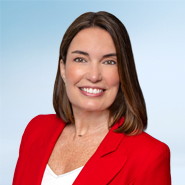
By Candace Dellacona

In the ever-changing landscape of family dynamics and related demographics, a term has emerged in the last few years to describe a group of people who find themselves literally squeezed between the demands of caring for and planning for aging parents and supporting their own children: “The Sandwich Generation.” Personally, finding myself in this unique group, alongside many of my friends, we face numerous challenges and responsibilities, requiring us to balance our caregiving roles for our aging parents and our children while maintaining our own well-being.

In this article, we will delve into what the Sandwich Generation entails and offer insight into strategies for effectively managing these often-overwhelming responsibilities that characterize this unique phase of life.

What is the Sandwich Generation?:

The term “Sandwich Generation” refers to individuals who find themselves entwined in the middle of a generational “sandwich,” positioned between aging parents on one side and dependent (or semi-independent adult) children on the other. Those of us in the sandwich are literally stuck in between, managing both sides. Typically, the individuals who make up the Sandwich Generation are in their 40s to 60s, grappling with the dual responsibility of managing both ends of the generational spectrum. Still, with expanded life expectancy, varied family make-ups, and childbearing years stretching into the 5th decade, age alone does not define membership. The crux of what characterizes the Sandwich Generation is the simultaneous responsibility of providing care and support to both older and younger family members.

Challenges The Sandwich Generation Faces:

  1. Financial: Navigating the dual responsibilities of supporting both aging parents and children can impose a significant financial burden. From medical expenses and long-term care costs for aging parents to education and upbringing expenses for children, the financial strain can be overwhelming. The strain is exacerbated by the fact that many aging parents do not have the resources or the aforethought to plan for the cost of care properly. Consequently, the onus falls to their adult children, the Sandwich Generation, to solve via their own financial means or provide the required care for their aging parents personally.
  2. Time: Members of the Sandwich Generation often find themselves juggling multiple roles and responsibilities. The delicate balance between the demands of caregiving, coupled with professional commitments and personal obligations, can lead to an intense time crunch, resulting in stress and guaranteed burnout. There are simply not enough hours in the day to help everyone in the way they need help.
  3. Emotional: Navigating the simultaneous care of aging parents and raising children can be emotionally taxing. Witnessing the decline of one’s parents while safeguarding the well-being of one’s children can lead to a cascade of feelings, including guilt, anxiety, depression, and emotional exhaustion. Throw in the addition of complicated relationships with those aging parents and siblings who have differing opinions on how one’s aging parents should be cared for, and it can be a recipe for emotional disaster.
  4. Lack of Support: Individuals grappling with Sandwich Generation challenges often experience a lack of support and resources tailored to their unique circumstances. Family members do not always live geographically near others, which can lead to feelings of resentment for those who can’t be there physically to offer support. Even worse is when family members are within close geographical proximity and still do not offer support, burdening one family member with the overwhelming responsibility of “doing it all.”

Strategies for the Sandwich Generation:

  1. Foster Open Communication: Talk about it! It is crucial that you foster open and honest communication with your family members. Discuss your caregiving responsibilities and the areas where you need assistance with your spouse or partner, your children, and your parents. Ensuring everyone is aware of the challenges you face in providing care can help set realistic expectations and build a support network within your family.
  2. Seek External Support: The time to reach out for help is now! Whether the support is found in your community resources, support groups, or organizations that cater to the needs of the Sandwich Generation, external support is vital. It might be helpful to keep in mind that the community and support groups are free. Connecting with others facing similar challenges in the Sandwich Generation can provide insight, solutions, advice, practical assistance, exchange of information, or just an old-fashioned vent session.
  3. Prioritize Self-Care: We all know the anecdote that plane passengers hear at the start of every flight: put on your own oxygen mask first, and only then can you help others. This old adage is something easier said than done. The bottom line is that caring for others begins with caring for yourself. As a member of the Sandwich Generation, make it a priority to engage in self-care activities such as exercise, pursuing your favorite hobbies, and even practicing relaxation techniques. Maintaining your physical and mental well-being is essential to effectively providing care to those around you. Remember, you cannot effectively care for others if you are running on empty.
  4. Holistic Financial and Elder Care Planning: Work with a financial advisor, an elder law attorney, and a geriatric care manager to develop a comprehensive plan that considers the financial, legal, and emotional needs of both your parents and children. Explore potential benefits, government programs, legal documents, and long-term care options to alleviate the financial and legal strain. The time to plan is now.
  5. Delegation is Key: You simply cannot do it all. Do your best to identify tasks that can be delegated or shared among family members, friends, or hired professionals like those mentioned in number 4 above. You can even involve your children in age-appropriate caregiving responsibilities to assist their grandparents or take away some of your burdens so that your attention can turn to your aging parents. Do not hesitate to seek assistance from your siblings or other relatives to distribute the workload more evenly. Embracing delegation is crucial for maintaining balance and effectiveness in your caregiving role.
  6. Embrace the Power of Technology: Utilize technology to streamline caregiving tasks. Explore online scheduling tools, medication reminders, and telehealth services. Embracing technology can help save time, reduce stress, and improve efficiency in managing both your aging parents’ and your child’s care. Leverage technology to empower those far-away family members to contribute to caregiving by paying bills remotely, scheduling doctor appointments, or even ordering groceries online. Embracing technology ensures a more streamlined and collaborative approach to managing the care of both your aging parents and your children.

For those of us who know, being a member of the Sandwich Generation can present numerous challenges. Still, navigating these responsibilities successfully with the right strategies and support is possible. The key is finding a balance between caregiving roles and your own well-being. While the role remains challenging, no matter how many solutions are identified, it is possible to thrive while supporting both the older and younger generations in your family. Click here to listen to my podcast, The Sandwich Generation Survival Guide.

Categories: Estates and Trusts

Related People

Related Services

  • Overview
  • People
  • Estates and Trusts Law Blog
  • Publications & News

Firm Highlights

  • Events
    MACFO's Inside Successful CEO & CFO Partnerships
    Please join us on September 18 for an event that’s sure to be a home run! ***We will lead off by interviewing our Spotlight Speaker Series guest, Baltimore Orioles CFO, Darline Llamas Llopis.*** After, we will ask ourselves, what separates great companies from good ones? We believe that more often than not, it is the strength of the partnership between the CEO and CFO that matters, so we are bringing you three CEO/CFO leadership teams to learn from. The Associated: Jewish Federation of Baltimore – Andrew Cushnir and Sam Klein Canusa Paper & Packaging – Mike Walter and Vince Salamone Secom, LLC – Toni Toomey and Mourad Awad Join us for an exclusive executive briefing – three tandem presentations followed by a panel discussion - featuring CEOs and CFOs from different but leading organizations as they share candid insights into building trust, navigating difficult decisions, driving strategic growth, and leading through today's business challenges. You'll hear firsthand how these executive teams navigate conflict, align on priorities, and build high-performing organizations. Whether you're a CFO, controller, finance executive, or an aspiring business leader, you'll leave with practical ideas and fresh perspectives you can apply immediately. Meet Our Speakers: Darline Llamas Llopis • Orioles  Chief Financial Officer Darline Llamas Llopis is in her second season with the Orioles as Chief Financial Officer (CFO). Prior to joining the Orioles, Llamas Llopis spent four seasons with the Miami Dolphins, Hard Rock Stadium, and the F1 Miami Grand Prix as Vice President of Finance and Retail. In this capacity, she managed the finance, accounting, payroll, account payables, procurement and merchandise operations for the team and race. She also previously served for four years as the Director of Finance and Controller at the Los Angeles Rams. Llamas Llopis started her career in public accounting with Ernst & Young and PricewaterhouseCoopers as a member of the Commercial Real Estate practice.  Llamas Llopis completed her MBA at UCLA Anderson School of Management and received her Master of Accountancy from the University of Southern California (USC) where she also graduated cum laude with an undergraduate degree in business. She is a member of the American Institute of Certified Public Accountants (CPA) and is an active CPA. She resides in Baltimore with her husband, Devin, and their son, Santiago. Andrew Cushnir • The Associated: Jewish Federation of Baltimore   President & Chief Executive Officer Andrew Cushnir is the President and Chief Executive Officer of The Associated, having started in the role in May 2024. He is the eighth person to serve in this role since The Associated’s founding over 100 years ago. Andrew brings a wealth of experience and a profound dedication to strengthening and enriching the Jewish community. His journey within the Jewish Federation system began as a passionate lay leader and volunteer before he transitioned into serving as a professional. He worked for the Jewish Federation of Los Angeles for twenty years, including in the roles of Chief Planning and Program Officer and Chief Development Officer. During this time, Andrew played a crucial role in reshaping the allocation process and fostering a culture of collaboration and partnership and he also led all annual, project, and emergency fundraising, as well as planned giving efforts. As a member of the Federation’s executive team, he also addressed complex community and organizational issues. Andrew and his wife Sharon Spira-Cushnir, a seasoned nonprofit human services executive, are the proud parents of two children in their early 20s. Sam Klein • The Associated: Jewish Federation of Baltimore  Chief Financial Officer Sam Klein is a seasoned nonprofit finance executive with nearly two decades of experience leading financial strategy, operations, budgeting, and organizational transformation for mission-driven institutions. As Chief Financial Officer of The Associated: Jewish Federation of Baltimore, he oversees the organization's financial operations, investment stewardship, budgeting processes, risk management, and long-term financial planning, helping advance the Federation's mission of strengthening and supporting Jewish life in Baltimore, Israel, and around the world. Throughout his career, Sam has been recognized for his ability to align financial stewardship with organizational mission, drive process improvements, implement technology solutions, and build high-performing teams. His expertise includes nonprofit finance, strategic planning, budgeting and forecasting, investment oversight, financial reporting, compliance, operational excellence, and organizational growth. Sam earned a Master of Business Administration in Finance from the Johns Hopkins Carey Business School and a Bachelor of Science in Finance and Marketing from Syracuse University. Mike Walter • Canusa's Paper & Packaging Chief Executive Officer As Chief Executive Officer of Canusa Paper & Packaging (CPP), Mike Walter leads one of the world's leading independent international brokerages of containerboard and packaging papers. Mike recently celebrated his 20th anniversary with Canusa and has overseen a doubling of the business in the past five years. Mike’s first role at Canusa was an intern before moving into a risk management role. Progressive promotions over the years led Mike to serve as Canusa's Chief Operating Officer and General Counsel, as well as General Counsel for its affiliate, Canusa Hershman before becoming the CPP CEO on January 1st, 2025. Mike graduated with a B.S. in Commerce & Engineering from Drexel University before earning his J.D. at the University of Baltimore’s School of Law. Vince Salamone • Canusa's Paper & Packaging Chief Financial Officer Vince Salamone serves as Chief Financial Officer of Canusa Paper & Packaging, overseeing the company's global financial strategy and overall operations, risk management, and other shared services. Since joining Canusa in 2018, Vince has advanced from Corporate Controller to CFO. Prior to Canusa, Vince held senior accounting and financial reporting roles at modular space leader Algeco Scotsman and supply chain real estate operator Realterm, bringing extensive expertise in finance and corporate accounting. He began his career with Deloitte, providing assurance services to clients in aerospace and defense, software, and manufacturing throughout the Mid-Atlantic. Vince attended the University of Maryland and Towson University, earning his B.S. in Accounting in 2012 and his CPA license in 2014. Toni Toomey • Secom, LLC Chief Executive Officer As Chief Executive Officer of Secom, LLC, Toni Toomey leads the company's external vision, culture, and strategic growth. A Howard County native, Toni brings an entrepreneurial spirit and a people-first philosophy to one of Maryland's leading commercial security firms — championing internal promotion and a culture of integrity. Toni serves on the Board of Directors for Maryland Tech Council, the Howard County Chamber, as well as the Steering Committee for the Maryland Rural Tech Network. Mourad Awad • Secom, LLC Chief Financial Officer As Chief Financial Officer of Secom, LLC, Mourad Awad architects the company’s financial strategy, performance, and value creation. A leader, by example, Mourad believes in empowering people and fostering communication. With 20+ years of leadership across private equity, federal contracting, construction, and infrastructure services, Mourad brings a strategic approach to partnering with Toni – CEO to turn vision into precision execution, delivering exceptional value to Secom customers and sustainable growth for SECOM.  Thank You to Our Sponsors